
What Every Motorcyclist Should Know After a Crash in Dayton, Ohio
If you ride a motorcycle in Dayton and another driver’s negligence causes a collision, understanding your legal rights can make the difference between a lowball insurance settlement and the full compensation you deserve. According to Ohio traffic safety data, nearly 4,000 crashes involving motorcycles occurred in a recent reporting year, resulting in approximately 175, 230 fatalities and almost 3,000 injuries, depending on the year referenced. Motorcycle collisions often lead to far more severe harm than car crashes because riders have limited physical protection. Whether you suffered a traumatic brain injury, spinal cord damage, or another life-altering condition, Ohio law provides avenues to pursue a claim against the at-fault party.
If you were recently injured in a motorcycle collision in Dayton, The Attkisson Law Firm is ready to help you understand your options. Call 937-400-0000 or reach out online to discuss your case.
Why Motorcycle Crashes in Dayton Cause More Severe Injuries
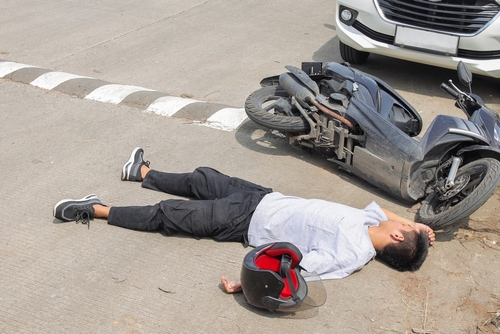
Motorcyclists face unique dangers on Dayton’s roads that drivers inside enclosed vehicles do not experience. Without the structural protection of a car frame, airbags, or seatbelts, riders absorb the full impact force. This reality is reflected in crash data showing that motorcycle collisions frequently produce catastrophic injuries.
Common Catastrophic Injuries After a Motorcycle Collision
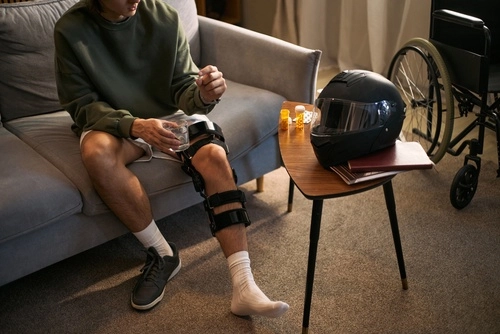
The injuries motorcyclists suffer in Dayton-area crashes often require extensive medical treatment, rehabilitation, and long-term care. Common severe injuries include:
- Traumatic brain injuries
- Spinal cord injuries leading to paralysis
- Amputations and crush injuries
- Internal bleeding and organ damage
- Deep lacerations and severe road rash
- Complex fractures and dislocations
Ohio law only requires helmets for riders under 18 or those within the first year of obtaining their motorcycle license. This means many adult riders legally operate without a helmet, which can increase head injury severity. Even helmeted riders remain vulnerable to catastrophic outcomes.
💡 Pro Tip: After any motorcycle crash, seek medical attention immediately, even if you feel fine. Some serious injuries like internal bleeding or traumatic brain injuries may not produce obvious symptoms right away, and early medical records strengthen your injury claim.
Proving Negligence in a Dayton Motorcycle Crash
To recover compensation after a motorcycle collision in Dayton, you must prove that another party’s negligence caused your injuries. Ohio law requires establishing four key elements: duty of care, breach of duty, causation, and damages. Every driver on Dayton’s roads owes a duty to operate their vehicle safely. When a driver runs a red light, texts behind the wheel, or fails to yield to a motorcyclist, that behavior may constitute a breach of duty.
Key Evidence That Helps Establish Fault
Building a strong negligence case depends on gathering the right evidence early. Key factors in determining fault include traffic violations committed by the other driver, witness testimony, police reports, and physical evidence from the scene such as skid marks, vehicle damage, and road conditions. Preserving this evidence quickly matters because it can disappear or degrade over time.
💡 Pro Tip: If physically able after a crash, use your phone to photograph the scene, vehicle positions, debris, traffic signals, and your visible injuries. These images can serve as powerful evidence when establishing fault.
How Ohio’s Comparative Negligence System Affects Your Claim
Ohio follows a modified comparative negligence system, which means your compensation may be reduced if you share any portion of fault for the crash. For example, if a court determines you were 20 percent at fault, your total recovery would be reduced by that same percentage. Under Ohio Revised Code § 2315.33, if you bear more than 50 percent of the total fault, you are barred from recovering any damages. Insurance adjusters frequently try to shift blame onto motorcyclists, so understanding this rule is critical before accepting any settlement offer.
💡 Pro Tip: Be cautious about giving recorded statements to the other driver’s insurance company without legal guidance. Adjusters may use your words to argue you were partially at fault, which could significantly reduce your compensation under Ohio’s comparative negligence framework.
Types of Compensation a Car Accident Attorney in Dayton Can Pursue
After a motorcycle crash in Dayton, you may be eligible to recover both economic and non-economic damages depending on your case facts. Ohio law draws a clear distinction between these categories, and understanding both is important when evaluating settlement offers.
| Damage Type | Category | Examples |
|---|---|---|
| Medical expenses | Economic | Emergency care, surgeries, rehabilitation, future treatment |
| Lost wages | Economic | Current lost income, future earning capacity |
| Pain and suffering | Non-economic | Physical pain, emotional distress, mental anguish |
| Loss of enjoyment of life | Non-economic | Inability to participate in activities you once enjoyed |
| Loss of consortium | Non-economic | Impact on spousal or family relationships |
| Punitive damages | Additional | May apply in cases of extreme negligence |
Economic Damages Under Ohio Law
Ohio Revised Code § 2307.011(C) defines economic loss as pecuniary harm, including all wages, salaries, or other compensation lost as a result of an injury, along with all expenditures for medical care, treatment, rehabilitation services, or other care. Ohio does not cap economic damages in personal injury cases, meaning there is no statutory ceiling on recovery for medical bills, lost income, or future expected lost earnings. This is especially significant for motorcyclists who suffer catastrophic injuries requiring years of ongoing care.
Non-Economic Damages and Potential Caps
Ohio Revised Code § 2307.011(E) defines noneconomic loss as nonpecuniary harm, including pain and suffering, loss of society, consortium, companionship, mental anguish, and other intangible losses. However, non-economic damages may be subject to caps under Ohio Revised Code § 2315.18 unless the plaintiff’s injuries qualify as catastrophic, such as permanent and substantial physical deformity, loss of use of a limb, or permanent physical functional injury preventing independent self-care. Given the severity of most motorcycle crash injuries, many motorcyclist injury claims in Ohio may qualify for uncapped non-economic damages, depending on specific facts and medical evidence.
💡 Pro Tip: Keep a daily journal documenting your pain levels, emotional state, and limitations on daily activities after your crash. This personal record can provide compelling support for non-economic damage claims.
Ohio’s Statute of Limitations for a Motorcycle Crash Claim
Ohio Revised Code § 2305.10(A) requires that an action for bodily injury shall be brought within two years after the cause of action accrues. The cause of action generally accrues on the date of the motorcycle crash, meaning the clock starts ticking the day the collision occurs. Missing this deadline could result in losing your right to file a lawsuit entirely.
While limited exceptions to this two-year window may exist, courts generally interpret tolling provisions narrowly. Do not assume that a discovery rule or other exception will automatically extend your deadline. If you were involved in a motorcycle crash in Dayton, taking early action to preserve your claim is essential.
💡 Pro Tip: Even if you are still receiving medical treatment, do not wait until you feel fully recovered to explore your legal options. The two-year filing deadline under Ohio law runs from the date of the crash regardless of whether your treatment is complete.
Steps to Protect Your Rights After a Motorcycle Collision in Dayton
Taking the right steps immediately after a crash can significantly strengthen your ability to recover fair compensation. Certain actions in the early days and weeks following the collision can make or break a claim.
- Request a copy of the police report as soon as it becomes available
- Follow all medical treatment recommendations and attend every appointment
- Preserve all receipts, bills, and documentation related to your injuries and expenses
- Avoid posting about the crash or your injuries on social media
- Do not accept a settlement offer without fully understanding its implications
An experienced Dayton car accident lawyer can help you navigate the claims process while you focus on healing. Insurance companies have teams of adjusters working to minimize what they pay, and having someone in your corner who understands Ohio motorcycle crash rights can level the playing field. According to Ohio motorcycle accident claims resources, compensation may include medical expenses, lost income, pain and suffering, loss of enjoyment of life, and in some cases, punitive damages where extreme negligence is involved.
Frequently Asked Questions
1. How long do I have to file a motorcycle injury claim in Dayton, Ohio?
Filing Deadline for Motorcycle Injury Claims
Under Ohio Revised Code § 2305.10(A), you generally have two years from the date of the crash to file a personal injury lawsuit. The cause of action typically accrues on the date the injury occurs. While narrow exceptions may apply, courts do not broadly extend this deadline, so acting promptly is important.
2. Can I still recover compensation if I was partially at fault for the crash?
Partial Fault and Ohio’s Comparative Negligence Rule
Yes, you can still recover damages even if you share some fault. Ohio’s modified comparative negligence system reduces your compensation proportionally by your percentage of fault. However, if you bear more than 50 percent of the total fault, you are barred from recovering any damages.
3. What types of damages can I recover after a motorcycle crash in Ohio?
Recoverable Damages in Motorcycle Cases
You may be eligible to recover economic damages like medical expenses and lost wages, as well as non-economic damages such as pain and suffering and loss of enjoyment of life. Ohio does not cap economic damages, though non-economic damages may be subject to statutory caps under Ohio Revised Code § 2315.18 unless your injuries meet the definition of catastrophic.
4. Do I need to wear a helmet in Ohio, and does not wearing one affect my claim?
Ohio Helmet Laws and Their Impact on Claims
Ohio only requires helmets for riders under 18 and those within their first year of licensure. If you were legally permitted to ride without a helmet, not wearing one should not automatically bar your claim. However, the opposing party’s insurance company may try to argue that lack of a helmet contributed to your injuries as a comparative negligence defense.
Protecting Your Future After a Dayton Motorcycle Crash
A motorcycle collision can change your life in an instant, but understanding your rights under Ohio law puts you in a stronger position to pursue the compensation you need for recovery. From meeting the two-year statute of limitations to proving negligence and documenting your full range of damages, each step matters. An experienced auto accident attorney in Dayton can help you build a strong case and push back against insurance company tactics designed to undervalue your claim.
If you or a loved one suffered serious injuries in a motorcycle crash in the Dayton area, The Attkisson Law Firm is here to help you take the next step. Call 937-400-0000 or contact us today to discuss your situation.