
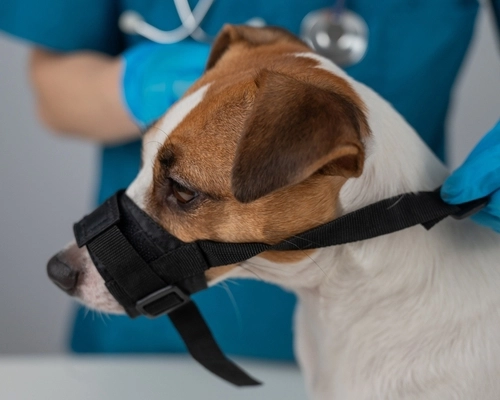
Your First Steps After a Dog Bite in Dayton, Ohio
A dog bite can happen in seconds, but the aftermath can affect your health, finances, and emotional well-being for months or years. If you or a loved one has suffered a dog bite injury in Dayton, knowing what to do immediately following the attack can significantly impact your physical recovery and any future legal claim. Ohio imposes strict liability on dog owners under Section 955.28 of the Ohio Revised Code, which means you may be entitled to compensation regardless of whether the owner knew the dog was dangerous.
If you need guidance after a dog attack in Dayton, OH, The Attkisson Law Firm is here to help. Call 937-400-0000 or reach out online to discuss your situation today.

Seek Dog Bite Medical Treatment in Dayton Right Away
The single most important thing you can do after a dog bite is get medical attention, even if the wound looks minor. Dog bites carry high infection risk due to bacteria in a dog’s mouth, and deeper tissue damage isn’t always visible. Go to an urgent care center, emergency room, or your primary care provider immediately.
Ask your medical provider to document every wound, photograph the injuries, and note the circumstances you describe. These records become critical evidence if you later pursue a dog bite claim. Treatment may include wound cleaning, stitches, antibiotics, tetanus shots, and imaging for fractures or nerve damage.
Rabies is another serious concern after any animal bite. Ohio law under Section 955.261 requires dogs that bite someone to be quarantined for 10 days, and under Ohio Administrative Code Rule 3701-3-29 the dog must have a current rabies vaccination before it can be released from quarantine.
💡 Pro Tip: Keep a dedicated folder for every medical bill, prescription receipt, and doctor’s note related to your bite. Organized records strengthen your claim and help ensure you account for every dollar of damages.
Report the Dog Bite to Local Authorities
Reporting the bite is not just good practice; Ohio law creates specific duties after a dog bite occurs. Section 955.261 of the Ohio Revised Code outlines legal obligations triggered when a dog bites a person, including quarantine and notification requirements. Contact Dayton animal control or the Montgomery County health department to file an official report immediately.
An official report creates a paper trail connecting the dog to the incident and its owner. This documentation may also reveal whether the same dog has bitten others before, which can be relevant to your case. You can learn more about Ohio’s mandatory reporting rule and why timing is important.
💡 Pro Tip: When you call animal control, write down the person’s name, report number, date, and time. This information can be invaluable if records are later disputed.
Gather Evidence at the Scene and Beyond
If your injuries allow, begin collecting evidence at the scene. Use your phone to photograph your wounds, the location, the dog itself, and any torn clothing or personal property. These images capture the severity before wounds begin healing.
Identify witnesses and get their contact information. A neighbor who saw the attack or a bystander who heard the commotion can corroborate your version of events. Also try to identify the dog’s owner, keeper, or harborer and obtain their name, address, and homeowner’s insurance information.
Write down your own account as soon as you are able. Memory fades quickly, and a written statement made within hours carries more weight than a recollection weeks later. Include details like time of day, the dog’s breed and size, whether the dog was leashed, and what you were doing when the attack occurred.
How Ohio’s Strict Liability Law Protects Dog Bite Victims
Ohio is a strict liability state when it comes to dog bites, which is a significant advantage for victims. Under Ohio Revised Code Section 955.28, the owner, keeper, or harborer of a dog is liable in damages for any injury, death, or loss caused by the dog. You do not need to prove the owner was negligent or knew the dog was vicious.
This means your claim doesn’t depend on whether the dog had a history of aggression. Many states still follow a "one-bite rule" requiring proof the owner knew the dog was dangerous. Ohio’s approach removes that barrier.
There are limited exceptions to this rule. Under Section 955.28(B), the owner is generally not liable if the victim was committing or attempting criminal trespass or another criminal offense (other than a minor misdemeanor) on the owner’s property, was committing or attempting a criminal offense (other than a minor misdemeanor) against any person, or was teasing, tormenting, or abusing the dog on the owner’s, keeper’s, or harborer’s property.
| Element | What Ohio Law Requires |
|---|---|
| Who is liable | Owner, keeper, or harborer of the dog |
| Standard of liability | Strict liability (no proof of negligence needed) |
| Victim exceptions | Criminal trespass or other criminal offense (above minor misdemeanor) on owner’s property, criminal offense (above minor misdemeanor) against any person, or tormenting the dog on the owner’s/keeper’s/harborer’s property |
| Solicitor protection | Section 955.28(A) separately provides liability for injuries to door-to-door solicitors on the owner’s property |
| Statute | Ohio Revised Code § 955.28 |
💡 Pro Tip: Even if you were on the dog owner’s property when bitten, you may still have a valid claim. Ohio’s strict liability statute covers many situations where victims are lawfully present, including as invited guests, delivery workers, or solicitors.
What Avery’s Law Means for Dog Bite Cases in Dayton
Ohio recently enacted Avery’s Law (House Bill 247), which took effect on March 18, 2026, and changes how the state handles dangerous dogs. This legislation creates clearer criminal liability when a dog is not properly confined or controlled and causes harm.
Under the updated framework, Ohio classifies dogs as nuisance, dangerous, or vicious based on their behavior. Penalties for owners escalate based on the classification and harm caused. Courts may be required to order euthanasia of a dog that seriously injures or kills a person in an unprovoked attack under Ohio’s dog law statutes.
For dog bite victims in Dayton, Avery’s Law adds another layer of accountability. If the dog that bit you was already classified as dangerous or vicious, the owner may face both criminal charges and civil liability, strengthening your position when seeking compensation. Understanding owner penalties can help you assess the full scope of accountability in your case.
Understand the Statute of Limitations for Your Dog Bite Attorney in Dayton
Time limits apply to every personal injury claim in Ohio, and dog bite cases are no exception. Missing the statute of limitations deadline generally means losing your right to file suit entirely. In Ohio, the applicable deadline depends on the legal theory you pursue. Strict liability claims under Ohio Revised Code § 955.28 are generally subject to a six-year statute of limitations, while negligence-based dog bite claims fall under the two-year personal injury statute of limitations in Ohio Revised Code § 2305.10.
Courts interpret tolling exceptions and discovery rules narrowly, so do not assume extra time applies to your case. Factors such as the victim’s age (for minors) or discovery of latent injuries may, in limited circumstances, affect when the clock starts.
- Seek medical treatment immediately and follow all recommended care
- Report the bite to animal control and your local health department
- Document everything: photos, witness names, medical records, and your own written account
- Identify the dog’s owner, keeper, or harborer and obtain insurance details
- Contact a Dayton dog bite lawyer before the statute of limitations expires
💡 Pro Tip: Victims may also pursue claims under negligence per se if the dog owner violated an animal control law, such as a local leash ordinance. Ask your attorney whether any municipal code violations apply to your situation.
What Damages Can You Recover?
A successful dog bite claim in Ohio may include compensation for several categories of harm. These generally include past and future medical expenses, lost wages, diminished earning capacity, pain and suffering, emotional distress, and scarring or disfigurement. In cases involving children, the psychological impact can be particularly significant.
Each case depends on its own facts, and your claim’s value will reflect the severity and lasting effects of your injuries. Insurance companies often attempt quick settlements that don’t account for future medical needs or the full extent of non-economic damages. Before accepting any offer, have an attorney evaluate the true scope of your losses.
💡 Pro Tip: Do not provide a recorded statement to the dog owner’s insurance company without first speaking to an attorney. Anything you say can be used to reduce or deny your claim.
Frequently Asked Questions
1. What should I do immediately after a dog bite in Dayton?
Seek medical attention right away, even for seemingly minor wounds. Then report the bite to local animal control, document everything with photos and written notes, identify the dog’s owner, and consult with a dog bite attorney in Dayton to understand your legal options.
2. Does Ohio require the dog to be quarantined after a bite?
Yes. Ohio law under Section 955.261 requires dogs that bite a person to be quarantined for 10 days, and Ohio Administrative Code Rule 3701-3-29 requires that the dog have a current rabies vaccination before it can be released from quarantine.
3. Can I still file a claim if I was on the dog owner’s property?
In many cases, yes. Ohio Revised Code § 955.28(B) imposes strict liability even when the victim was on the owner’s property. Exceptions apply if you were committing criminal trespass or another criminal offense above a minor misdemeanor, or if you were tormenting the dog on the owner’s, keeper’s, or harborer’s property.
4. What if the dog that bit me has never bitten anyone before?
Ohio’s strict liability statute doesn’t require proof that the dog had prior biting history or aggression. Under Section 955.28(B), the owner, keeper, or harborer is liable for injuries caused by their dog regardless of prior knowledge of dangerous behavior.
5. Can a dog be killed if it attacks someone in Ohio?
Under Ohio Revised Code § 955.28(A), a dog that is actively chasing or approaching in a menacing fashion, attempting to bite or otherwise endanger, or killing or injuring a person may legally be killed at the time of that conduct to protect individuals facing immediate threat.
Protecting Your Rights After a Dog Bite in Dayton
A dog bite can leave you facing painful injuries, mounting medical bills, and uncertainty about your legal options. Ohio’s strict liability framework under Section 955.28 provides meaningful protection for victims, but you must act promptly to preserve your claim. From seeking immediate medical care to documenting the incident and understanding new laws like Avery’s Law, each step builds the foundation for a stronger case.
The Attkisson Law Firm is ready to help you navigate the dog bite claims process in Dayton and throughout Ohio. Call 937-400-0000 or contact us today to schedule a conversation about your case.