
Why ELD Data Could Make or Break Your Dayton Truck Crash Case
Key Takeaways: Electronic logging devices (ELDs) record critical data including driving time, engine hours, vehicle movement, miles driven, and location that can prove truck driver negligence after a Dayton crash. Because ELD data can be overwritten or deleted quickly, preserving it immediately is essential. Have an attorney send a spoliation letter to the trucking company, its insurer, and third-party data providers as soon as possible. Federal regulations under 49 CFR § 395.22(j) require motor carriers to produce ELD records when requested by authorized safety officials, providing a framework to demand preservation. Ohio’s two-year statute of limitations under Ohio Revised Code § 2305.10(A) creates urgency, as the practical window for securing electronic evidence is often much shorter. Consulting a truck accident attorney immediately after a crash, even during medical treatment, is the best step to protect this vital evidence.
If you or a loved one suffered serious injuries in a collision with a commercial truck in Dayton, critical electronic evidence may already be at risk. Electronic logging devices (ELDs) record key data that can prove whether a truck driver violated federal safety rules, but this data can be overwritten if you don’t act quickly. Understanding how to preserve truck records is one of the most important steps you can take to protect your legal rights after a truck crash.
If you need help securing ELD evidence after a truck crash in Dayton, The Attkisson Law Firm is ready to help. Call 937-400-0000 today or reach out online to discuss your case before key records vanish.

What an ELD Records and Why It Matters After a Truck Crash
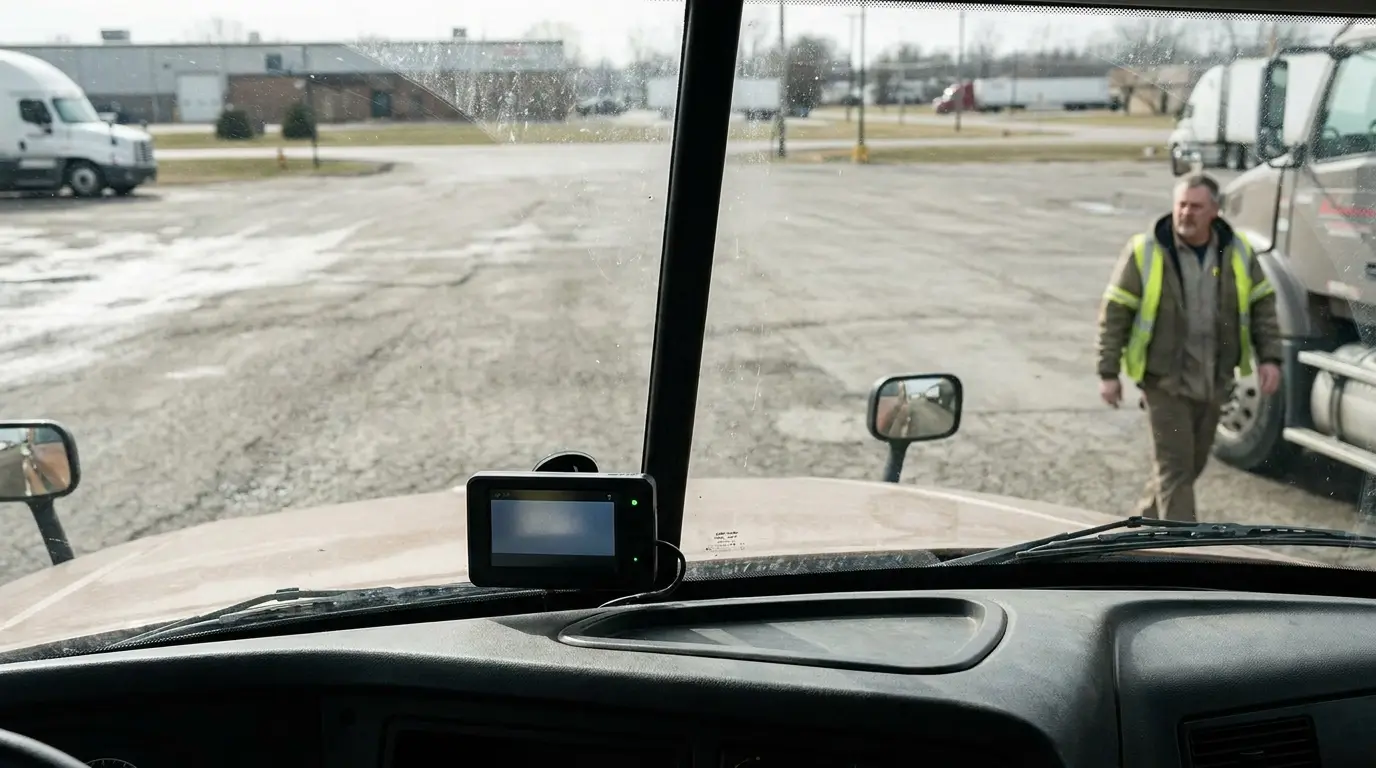
An ELD automatically records driving time, engine hours, vehicle movement status, miles driven, and location information. These data points create a digital timeline of a truck driver’s activity leading up to a crash. For someone injured in a Dayton truck accident, this timeline can reveal whether the driver exceeded hours-of-service limits, traveled at excessive speeds, or falsified a logbook.
The FMCSA announced its ELD Final Rule on December 10, 2015, requiring electronic logging devices across commercial truck and bus industries. The rule was estimated to save 26 lives and prevent 562 injuries annually. For Dayton crash victims, ELD data serves as powerful, objective evidence of negligence that trucking companies cannot easily dispute.
💡 Pro Tip: ELD data is not the only electronic evidence. Event data recorders, GPS systems, and dashcam footage may also contain valuable information. Ask your attorney to request preservation of all electronic evidence immediately.
How to Preserve Truck Records Before They Are Destroyed
Acting fast is essential because ELD data can be overwritten as new records accumulate. Federal regulations require motor carriers to retain ELD records for six months minimum, but device data may be overwritten sooner. The most effective preservation method is having an attorney send a spoliation letter to the motor carrier, its insurer, and any third-party data providers.
A spoliation letter puts the trucking company on legal notice that it must not destroy, alter, or overwrite crash-related records. This includes ELD data, driver qualification files, vehicle maintenance logs, dispatch records, and communication logs. If the company destroys evidence after receiving this notice, courts may impose sanctions or allow negative inferences against the carrier.
Sending a Preservation Demand
Your attorney should send the spoliation letter within the first few days after the crash. The letter should identify the specific truck, driver, date, and location while listing every category of evidence requiring preservation. It should reference the carrier’s obligation under federal regulations to produce ELD records.
Using Federal Regulations to Support Your Request
Under 49 CFR § 395.22(j), motor carriers must produce ELD records in electronic format when requested by authorized safety officials. While this applies directly to safety officials, it establishes a regulatory framework attorneys can reference in civil litigation preservation demands. Federal technical specifications require ELD electronic data transfer through telematics or local methods, which your legal team can reference when requesting data.
💡 Pro Tip: Do not contact the trucking company yourself to request ELD data. Let your attorney handle all communications and formal preservation demands.
Ohio’s Statute of Limitations Creates Urgency for ELD Data Preservation
Under Ohio Revised Code § 2305.10(A), bodily injury actions must be brought within two years after the cause of action accrues. This deadline applies to Dayton truck crash cases. Missing this window generally means losing your right to pursue compensation entirely.
The two-year clock makes early evidence preservation critical. If you wait months to hire an attorney, needed ELD data may no longer exist. While the statute governs filing deadlines, the practical window for securing electronic evidence is often much shorter.
💡 Pro Tip: Even while receiving medical treatment, consult a truck accident attorney about evidence preservation immediately. Securing ELD data does not require filing a lawsuit right away.
The Scale of Truck Crash Dangers in Ohio and Nationwide
Ohio is among the ten states with the highest average of fatal large truck and bus crashes between 2015 and 2017, according to FMCSA data. The volume of truck traffic through Ohio’s interstate corridors means serious crashes remain a persistent threat.
Nationally, large trucks and buses account for 13% of all traffic fatalities. In 2017, 5,005 lives were lost in 4,455 crashes involving large trucks or buses, representing an 8% increase from the previous year. Speed was a factor in 17% of fatal truck crashes. ELD data can help corroborate whether speeding or hours-of-service violations contributed to a crash.
| Key Truck Crash Statistic | Detail |
|---|---|
| Fatal truck/bus crash share of traffic deaths | 13% nationally |
| Lives lost in 2017 truck/bus crashes | Over 5,000 |
| Year-over-year fatality increase (2016 to 2017) | 8% |
| Speed as a factor in fatal truck crashes | 17% |
| Ohio’s ranking for fatal truck/bus crashes | Top 10 states (2015 to 2017) |
What ELD Data Can Reveal About Negligence in Your Case
ELD records can expose multiple forms of truck driver and carrier negligence. Because these devices track hours of service precisely, they can show whether a driver operated beyond legal limits, one of the most common causes of fatigue-related crashes.
Hours-of-Service Violations
Federal hours-of-service rules limit how long commercial drivers can operate before mandatory rest breaks. ELD data creates a verifiable compliance record. If data shows a driver exceeded the 11-hour driving limit or remained on duty beyond the 14-hour window before the crash, it may establish a clear breach of federal safety regulations.
Speed and Movement Patterns
Because ELDs record vehicle movement and mileage, attorneys can analyze data to calculate travel speeds and identify patterns before impact. Sudden movement changes, unusually high average speeds, or movement during required rest periods can all point to reckless behavior. Learn more about how to preserve truck records before they are destroyed and why timing is critical.
💡 Pro Tip: ELD data alone may not tell the full story. Your attorney should cross-reference it with fuel receipts, toll records, and GPS data to build the strongest case.
Steps to Take Right Now to Protect Your Dayton Truck Crash Claim
If you were seriously injured in a truck crash, these steps can help protect your ability to recover full compensation:
- Document everything at the scene, including the truck’s DOT number, license plate, and carrier’s name
- Seek medical attention immediately and follow all treatment recommendations
- Do not give recorded statements to the trucking company’s insurer without legal guidance
- Contact a Dayton truck accident lawyer who can send a preservation demand for ELD records and electronic evidence
- Keep records of medical appointments, symptoms, lost work days, and expenses
Taking these steps promptly can make the difference between having needed evidence and watching it disappear. Trucking companies and insurers move quickly after crashes to protect their interests. You deserve someone doing the same for you.
💡 Pro Tip: Write down everything you remember about the crash as soon as possible. Details like time of day, weather, the truck’s lane position, and what happened before impact may help your attorney interpret ELD data.
Frequently Asked Questions
1. How long does a trucking company keep ELD data after a crash?
Federal regulations under 49 CFR § 395.8(k) require motor carriers to retain ELD records for six months minimum. However, device data may be overwritten sooner, and carriers aren’t required to keep records beyond six months. Sending a preservation demand immediately is the most reliable way to prevent evidence loss.
2. Can I request ELD data on my own without an attorney?
While no law prevents you from requesting data, trucking companies generally have no obligation to provide records directly to crash victims outside formal legal proceedings. An attorney can issue a spoliation letter, file suit, and use discovery tools like subpoenas to compel production.
3. What if the trucking company claims the ELD data was already deleted?
If a carrier destroys ELD data after knowing litigation was likely, courts may impose spoliation sanctions. These range from adverse inference instructions, where juries are told to assume destroyed data was unfavorable to the carrier, to more severe penalties.
4. Does Ohio’s two-year statute of limitations apply to all truck crash claims?
Ohio Revised Code § 2305.10(A) establishes a two-year deadline for bodily injury claims, with limited exceptions depending on facts. Claims involving minors or individuals with certain legal disabilities may be subject to tolling. Courts interpret these exceptions narrowly, so consult an attorney rather than assume additional time is available.
5. What types of truck crashes most commonly involve ELD evidence?
ELD evidence is most relevant in crashes where fatigue, hours-of-service violations, or speeding may have played a role. However, because ELDs record location and movement data, they can also help with route deviations, unauthorized stops, or disputes about crash timing and location.
Protect Your Rights Before Critical Truck Crash Evidence Disappears
ELD data can be the single most important evidence in a Dayton truck crash case, but only if preserved in time. Understanding how to preserve truck records before they are destroyed gives you the best chance of holding negligent truck drivers and carriers accountable. Ohio’s two-year filing deadline and data loss risk mean every day matters.
Don’t wait for the trucking company to act in your interest. Contact The Attkisson Law Firm today by calling 937-400-0000 or scheduling a consultation online to start protecting the evidence you need.