
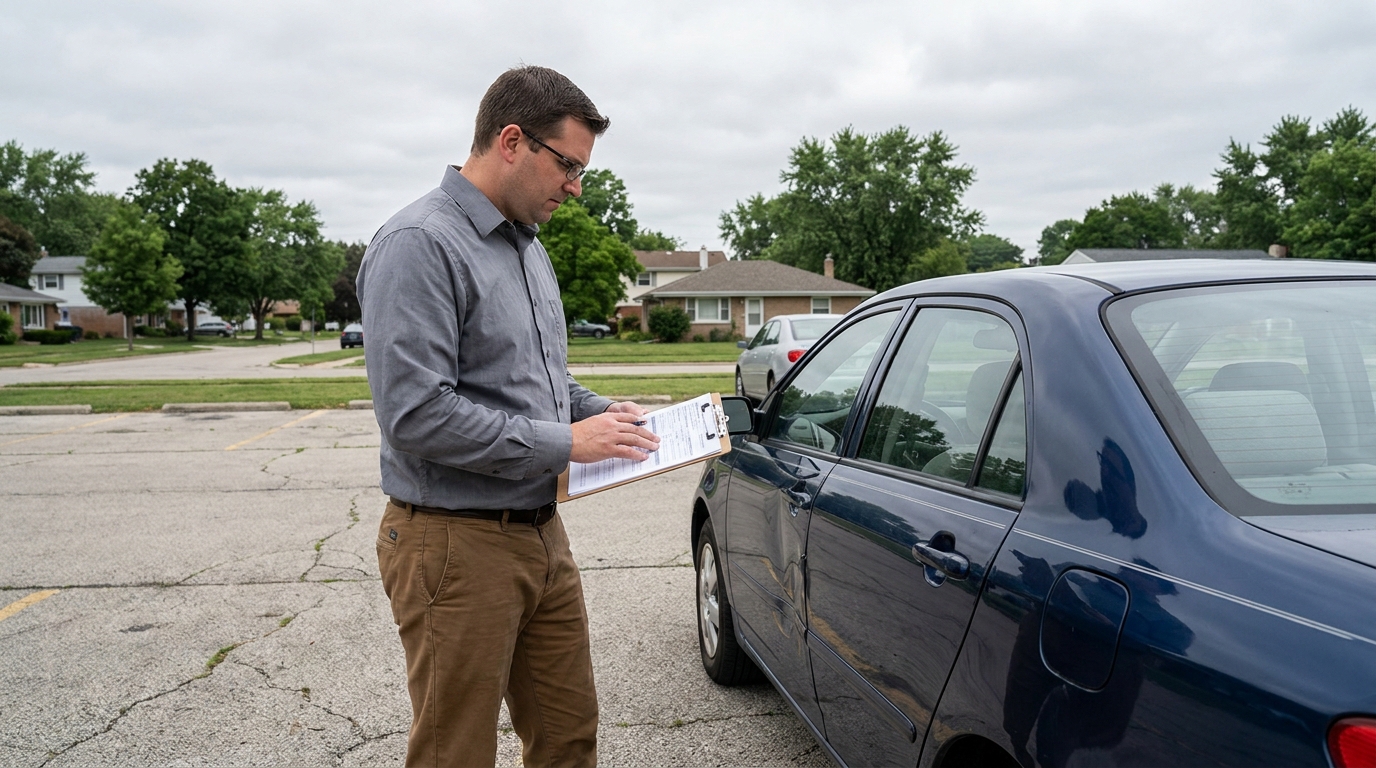
What Insurance Adjusters Really Want After a Dayton Collision
Key Takeaways: Insurance adjusters who contact you after a serious Dayton crash work to protect their employer’s bottom line, not your recovery, often using tactics like requesting recorded statements, pushing quick lowball offers, or shifting blame onto you. Handling them well means declining unnecessary statements, preserving evidence early, and understanding your rights. Ohio’s modified comparative negligence rule reduces recovery in proportion to your fault and bars recovery once your share exceeds 50 percent (51% or more in a two-party case), and the state’s two-year filing deadline generally runs from the date of injury. Insurers also owe a duty of good faith, and unreasonable denials or delays may amount to bad faith. Working with an experienced Dayton personal injury attorney can help you avoid costly early mistakes and protect your potential compensation.
An insurance adjuster who calls you days after a serious crash is not your advocate, even when the tone sounds friendly. Adjusters work to protect their employer’s bottom line, which often means resolving your claim for as little as possible. Understanding how these representatives operate can help you avoid early mistakes that reduce what you may be owed.
If you are recovering from a serious injury and feel pressured by an insurer, you do not have to face it alone. The team at The Attkisson Law Firm is ready to help injured people across the Dayton area. Call us at 937-400-0000 or reach out through our secure contact page to discuss your situation.
Understanding the Adjuster’s Role in Your Auto Accident Claim
The adjuster’s job is to investigate, value, and close your claim, and those goals do not always align with your recovery. After a severe injury, the difference between an early offer and full compensation can be substantial. Knowing what an adjuster is trained to look for puts you in a stronger position.
First Contact: What Adjusters Look For
Early conversations are often used to gather statements that can later limit your claim. Adjusters may request a recorded statement, broad medical authorization, or press you to describe injuries before you fully understand them. In serious-injury cases, symptoms like traumatic brain injury or spinal damage can evolve over weeks, so an early account may understate the harm.
💡 Pro Tip: You are generally not required to give a recorded statement to the other driver’s insurer. Politely declining until you have spoken with counsel can protect your interests in an auto accident claim in Dayton, Ohio.
Common Car Crash Insurance Tactics to Watch
Insurers rely on predictable car crash insurance tactics designed to create doubt about your claim’s value. Recognizing these moves helps you respond calmly. Watch for the following approaches:
- Quick settlement offers made before medical treatment is complete
- Requests for excessive documentation that delay your file
- Suggestions that injuries are pre-existing or unrelated to the crash
- Attempts to assign you a share of the blame to lower the payout
These tactics are not necessarily illegal, but they can become unreasonable when they cross into bad faith. The line between hard bargaining and improper conduct often depends on the specific facts. That is one reason injured people frequently choose to involve a Dayton car accident lawyer before responding to a low offer.
How Ohio’s Fault Laws Shape Your Settlement
Ohio is an at-fault state, and the way fault is divided directly affects how much you can recover. Adjusters understand these rules well, which is why they may try to shift responsibility onto you.
The 51% Bar and Comparative Negligence
Ohio follows a modified comparative negligence system that bars recovery when your fault is greater than the combined fault of everyone else. Under Ohio’s modified comparative fault rule, if you are 51% or more at fault, you cannot recover damages from other parties. In practical terms, recovery is barred once your share of fault exceeds 50 percent. This threshold is a key leverage point, because an adjuster who can push your share of fault past that line may try to deny the claim entirely.
Even partial fault matters under this system. The governing statute provides that the court shall diminish any compensatory damages recoverable by the plaintiff by an amount proportionately equal to the percentage of tortious conduct of the plaintiff. The same law explains that contributory fault does not bar recovery as long as the plaintiff’s contributory fault was not greater than the combined tortious conduct of all other persons from whom the plaintiff seeks recovery. You can review the full text of this modified comparative negligence rule in the Ohio Revised Code.
The table below illustrates how fault percentages affect recovery. These figures are simplified examples, and actual outcomes depend on the specific facts.
| Plaintiff’s Assigned Fault | Effect on Recovery |
|---|---|
| 0% | Full recoverable damages |
| 40% | Recovery reduced to 60% of damages |
| 50% | Recovery reduced to 50% of damages |
| 51% or more | Barred from recovering damages |
💡 Pro Tip: Preserve evidence early. Photographs, the police report, and prompt medical records can help counter an adjuster’s attempt to inflate your share of fault.
Ohio’s Two-Year Deadline and Why Timing Matters
In Ohio, an injured person generally has two years from the date of injury to file a lawsuit for bodily injury. The statute states that a cause of action accrues when the injury or loss occurs, which usually means the clock starts on the crash date. Missing this deadline can forfeit your legal leverage, including your ability to negotiate from a position of strength.
Some narrow exceptions may affect when the deadline runs, but courts interpret these exceptions narrowly. Tolling provisions and delayed-discovery arguments depend heavily on the facts, such as the injured person’s minority or legal incompetency, or a defendant leaving the state. Because timing can be complex, it is wise to confirm any deadline that applies to your situation.
💡 Pro Tip: Do not let settlement talks lull you into missing the filing window. An insurer is not obligated to remind you that the statute of limitations is approaching.
Recognizing Insurance Bad Faith
Every insurance policy carries an implied duty to deal fairly and in good faith with policyholders. When that duty is violated, the consequences for the insurer can extend beyond the original claim.
Certain conduct may rise to the level of bad faith depending on the circumstances. Commonly cited examples include unreasonable denial of a claim, unreasonable delay in payment, failure to investigate, requesting excessive documentation, and lowball settlement offers. To pursue a first-party bad faith claim, a policyholder generally must show that the insurer’s refusal to pay benefits was not predicated on circumstances that furnished reasonable justification. You can learn more about how these standards work through this overview of insurance bad faith claims.
In limited and egregious situations, punitive damages may also be available. These awards are intended to punish the insurer and deter similar conduct rather than compensate the claimant, and they generally require clear and convincing evidence of actual malice. Whether such damages apply is highly fact-dependent.
Why a Personal Injury Attorney Dayton, Ohio Can Level the Field
A personal injury attorney Dayton, Ohio victims trust can help balance the resource imbalance between an injured person and a large insurer. Adjusters handle claims daily, while most people navigate this process only once. Having knowledgeable guidance can help you avoid early missteps that reduce settlements.
Legal counsel can manage communications, document your injuries, and respond to questionable tactics with appropriate authority. A seasoned Dayton OH injury attorney understands how comparative fault and bad faith principles apply to real claims. If you are weighing an initial offer, it often helps to understand whether you should accept the first settlement before signing anything.
Working with a personal injury attorney Dayton, Ohio residents rely on does not guarantee any particular outcome, but it can help protect your rights. Outcomes always depend on the specific facts, available evidence, and applicable law. For more on how our team approaches these matters, see our overview of Dayton car accident lawyer services.
💡 Pro Tip: Keep a simple journal of your medical treatment, missed work, and how the injury affects daily life. This record can become valuable support during an insurance settlement in Dayton.
Frequently Asked Questions
- Should I talk to the other driver’s insurance adjuster?
Do I have to give a recorded statement?
You are generally not obligated to provide a recorded statement to the at-fault driver’s insurer. In serious-injury cases, an early statement may understate your harm before your condition is fully known, so many people decline until they have spoken with counsel.
- What happens if the adjuster says I was partly at fault?
How does partial fault affect my claim?
Under Ohio’s modified comparative negligence rule, your recovery may be reduced by your percentage of fault, and you may be barred entirely if your fault exceeds the combined fault of all other parties (51% or more in a two-party case). Because adjusters may try to push fault onto you, documenting the crash carefully is important.
- How long do I have to file a claim in Ohio?
What is the deadline for an auto accident claim in Dayton, Ohio?
You generally have two years from the date of injury to file a lawsuit for bodily injury. Limited exceptions may apply, but courts interpret them narrowly, so confirm your specific deadline early.
- What if my own insurer is treating me unfairly?
Can I take action against bad faith conduct?
When an insurer unreasonably denies, delays, or underpays benefits rightfully owed, that conduct may constitute bad faith. In egregious cases, additional damages may be available, though outcomes depend on the facts.
- Why should I involve a lawyer before settling?
How can counsel help with an insurance settlement?
A lawyer can evaluate the true value of your claim, manage communications, and respond to car crash insurance tactics designed to minimize payouts. This guidance can help protect your interests, especially with severe injuries.
Protecting Your Recovery After a Serious Crash
Handling insurance adjusters after a Dayton car crash comes down to preparation, patience, and understanding your rights. Ohio’s comparative negligence rules, the two-year filing window, and the duty of good faith all shape what you may recover. By recognizing common tactics and avoiding early concessions, you give yourself a stronger foundation for a fair result.
If a serious injury has left you facing aggressive insurers and uncertain next steps, let experienced help guide you. Contact The Attkisson Law Firm today by calling 937-400-0000 or by visiting our online consultation request to learn how we can help protect your recovery.