
Understanding the Backbone of Your Ohio Crash Claim
Key Takeaways: An OH-1 crash report is Ohio’s official Traffic Crash Report documenting serious collisions, often the most important early evidence for injured Dayton victims. Composed of coordinated sub-forms, it captures the scene, vehicles, people involved, and witness details based on an officer’s firsthand observations. While the report helps prove negligence and shapes claim value, it does not decide fault or extend deadlines. Ohio Revised Code § 2305.10(A) requires bodily injury claims within two years of the crash, with narrow tolling exceptions. Unofficial copies are available online; certified reports and photos require separate requests. A skilled Dayton car accident lawyer can review the OH-1 for errors and pair it with other evidence to protect your compensation rights.
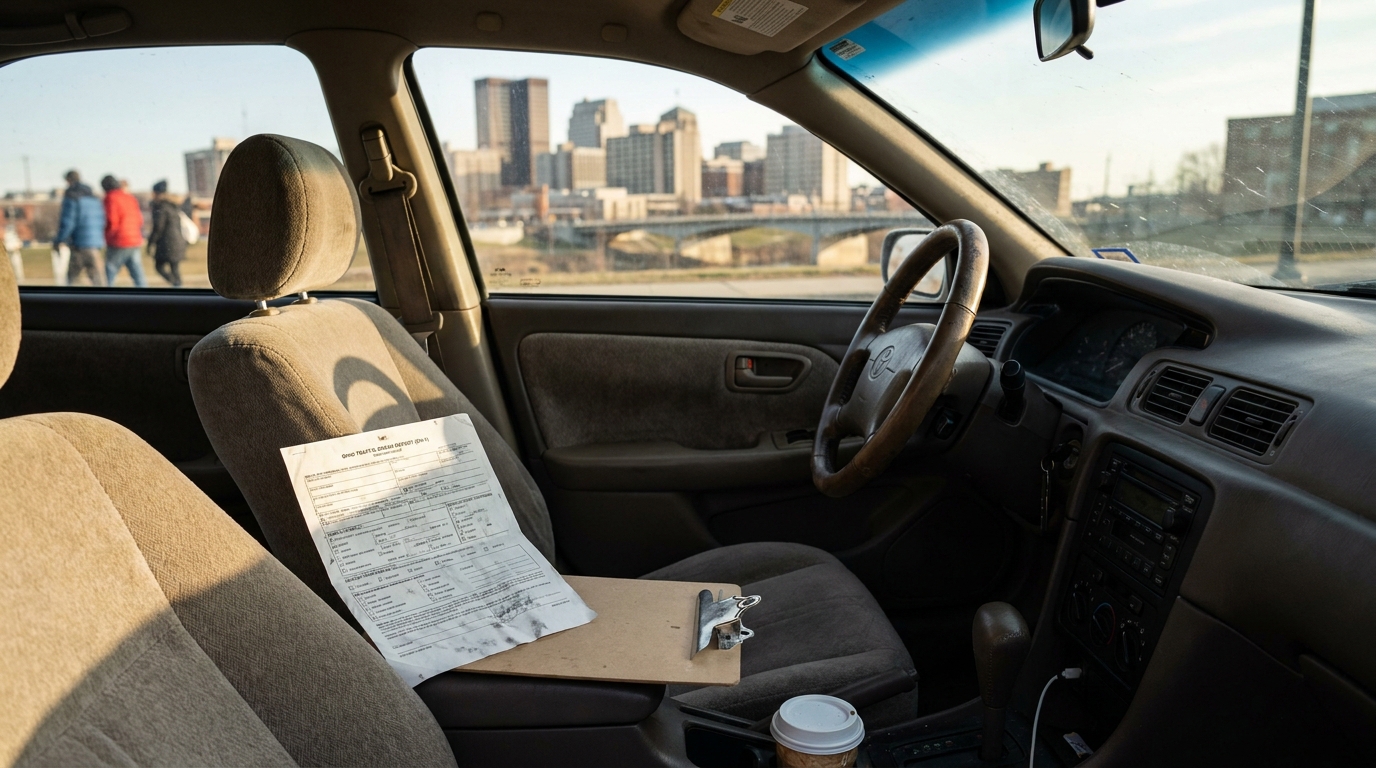
An OH-1 crash report is the official Ohio Traffic Crash Report law enforcement uses to document serious collisions, often becoming the single most important early evidence for injured Dayton victims. When an officer investigates your wreck, the recorded details shape how negligence is proven, how insurers value your claim, and whether you preserve your right to compensation. The report creates an official, contemporaneous record of what happened on the road.
If you or a loved one suffered severe injury in a collision, the team at The Attkisson Law Firm is ready to help. Call us at 937-400-0000 or reach out through our secure contact page to discuss your case.

What the OH-1 Crash Report Actually Contains
The OH-1 is part of Ohio’s larger reporting system for serious crashes. Under Ohio Admin. Code 4501-31-01(A), the Ohio Traffic Crash Report consists of forms OH-1, OH-2, and OH-3, but only the OH-1 must be forwarded to the director of public safety. The OH-1 is the core document moving through the state system and becoming available to victims and attorneys.
The OH-1 is a collection of coordinated sub-forms. Each captures a different crash layer, from the overall scene to individual occupants. Knowing which sub-form holds which information helps you and your lawyer locate critical details quickly.
The Sub-Forms That Make Up the OH-1
The OH-1 comprises several numbered sub-forms, each with a specific purpose. Per Ohio Admin. Code 4501-31-01(A)(1)-(4):
| Sub-Form | Purpose |
|---|---|
| HSY 7001 | Traffic Crash Report Page |
| HSY 8304 | Unit Page |
| HSY 8306 | Motorist/Non-Motorist/Occupant Page |
| HSY 8355 | Occupant/Witness Addendum |
Together, these pages document vehicles, people involved, and witnesses. The HSY 8355 addendum is especially valuable because it captures occupant and witness information supporting your version of events. Learn more in our guide on obtaining Dayton police witness statements after a collision.
💡 Pro Tip: Request every sub-form, not just the front page. The addendum can contain names and statements insurers may overlook.
Why the OH-1 Matters for Dayton Injury Victims
For Dayton auto accident claims involving serious harm, the OH-1 provides an official record created near the crash time. Ohio Admin. Code 4501-31-01(B)(2) defines a ‘motor vehicle accident’ or ‘traffic crash’ as any accident arising from the operation or use of a motor vehicle involving a fatality, any personal injury, or property damage in an amount not less than the threshold specified in ORC 5502.11, but expressly excludes accidents occurring on private property and any fatality, injury, or damage directly caused by intentional assault, theft, discharge of a firearm or explosive device, natural disaster, or cataclysm. This confirms that injury crashes on Dayton roads generally fall within reporting requirements, creating a foundation for analyzing duty, breach, and causation.
The OH-1’s credibility stems from its creation method. Ohio Admin. Code 4501-31-01(B)(3) defines ‘investigating’ a crash as the personal observation of the motor vehicles and crash scene by a law enforcement officer; however, if no officer is available to observe the scene, the rule permits preparation of the crash report based on reliable information provided by persons who were involved in or witnessed the crash. Thus the report often reflects trained officers’ firsthand observations but can lawfully include secondhand accounts, which is one reason insurers and courts give it significant weight.
Officers must act promptly, preserving fresh evidence. Ohio Admin. Code 4501-31-01(A) requires agencies to forward reports within five days. This window means the record reflects conditions before memories fade and physical evidence disappears.
💡 Pro Tip: Photograph your injuries and the scene when safe. Your documentation complements the officer’s report.
How Ohio’s Filing Deadline Raises the Stakes
Time pressure is a major reason injured Dayton residents should secure the OH-1 quickly. Under Ohio Revised Code § 2305.10(A), bodily injury actions must be brought within two years after the cause accrues, generally the crash date. Review the statutory language in Ohio’s codified two-year injury deadline.
Other deadlines exist for different claims and should not be confused. Ohio Revised Code § 2305.09 provides four-year periods for trespass, property recovery, and fraud claims. These do not extend the two-year window for bodily harm.
When the Two-Year Clock Can Pause
In limited circumstances, Ohio law may toll the deadline. Ohio Revised Code § 2305.15(A)(1) provides that if the defendant leaves the state, absconds, or conceals themselves, the period may not begin until they return. Separately, Ohio Revised Code § 2305.16 may allow minors or those of unsound mind to bring actions after the disability is removed. Ohio courts interpret these exceptions narrowly, and the statutes operate by operation of law when their statutory conditions are met (for example, § 2305.16 automatically tolls the limitations period for minors until they turn 18). While a court may ultimately adjudicate whether the conditions for tolling were satisfied in a disputed case, tolling is not categorically non-automatic.
💡 Pro Tip: Never rely on possible tolling to extend your deadline. Treat the two-year period as firm unless you obtain legal advice confirming tolling applies to your situation.
How to Obtain Your Ohio Crash Report
Getting your crash report is straightforward, but involves multiple paths. The Ohio Department of Public Safety maintains a searchable database of unofficial crash reports covering the past five years plus the current year. Search through the state’s official Ohio crash reports portal.
Official Versus Unofficial Crash Records
Understanding the difference between unofficial copies and certified records is important. Official Ohio State Highway Patrol crash reports and photos can be purchased through public records requests. Unofficial versions suffice for early review; certified copies may be needed for litigation.
- Unofficial report: Available online through ODPS database for past five years plus current year.
- Official report and photos: Purchased through public records request to Ohio State Highway Patrol.
Securing the report helps your case but does not satisfy or change the statutory filing deadline.
Why a Car Accident Lawyer Dayton Ohio Victims Trust Reviews the OH-1
A skilled car accident lawyer Dayton Ohio residents rely on reads the OH-1 closely, identifying strengths and gaps. Reports can contain coding errors, incomplete witness lists, or omitted contributing factors affecting insurer evaluations. Careful review compares the report against medical records, photographs, and witness accounts to build a complete negligence picture.
Reviewing the OH-1 helps car accident lawyers Dayton Ohio injury victims consult spot insurer lowball tactics. Adjusters use report ambiguities to minimize or deny serious claims. Thorough attorneys push back with corroborating evidence. Explore our overview as a Dayton car accident attorney serving injured clients.
💡 Pro Tip: Order your report before extensive discussions with the at-fault driver’s insurer. Reviewing officer documentation first strengthens your position.
Frequently Asked Questions
1. Is the OH-1 report the same as a police report?
The OH-1 is Ohio’s standardized traffic crash report used statewide. While commonly called a police report, it’s technically the Ohio Traffic Crash Report per Ohio Admin. Code 4501-31-01(A).
2. How quickly is the OH-1 filed after my crash?
Agencies generally have a short filing window. Ohio Admin. Code 4501-31-01(A) requires submission within five days. Processing may take additional time, so online availability isn’t immediate.
3. Does getting my crash report extend my filing deadline?
No. Obtaining a report does not change the statute of limitations. Under Ohio Revised Code § 2305.10(A), bodily injury actions must be filed within two years of when injury occurs.
4. What if the at-fault driver left Ohio after the crash?
In limited situations, the deadline may pause. Ohio Revised Code § 2305.15(A)(1) provides that the limitation period may not begin while a defendant is out of state, has absconded, or conceals themselves. These provisions operate by law when their conditions are met, but courts apply them narrowly and may need to resolve disputes, so don’t assume tolling applies without legal review.
5. Can I still use the report if it contains an error?
Yes, errors often don’t destroy claims. Reports with mistakes can be supplemented with medical records, photographs, and witness statements. Weight given to inaccuracies depends on specific facts and available corroborating evidence.
Protecting Your Right to Full and Fair Compensation
The OH-1 crash report is foundational to serious-injury claims. It documents the scene, people involved, and officer observations within days of the collision. When paired with Ohio’s two-year filing deadline under Ohio Revised Code § 2305.10(A), the report becomes a tool for protecting your rights.
If you were seriously hurt in a Dayton collision, don’t wait while evidence grows cold and deadlines approach. Contact The Attkisson Law Firm today by calling 937-400-0000 or sending a message through our online consultation request, and let us help you pursue the full and fair compensation you deserve.