
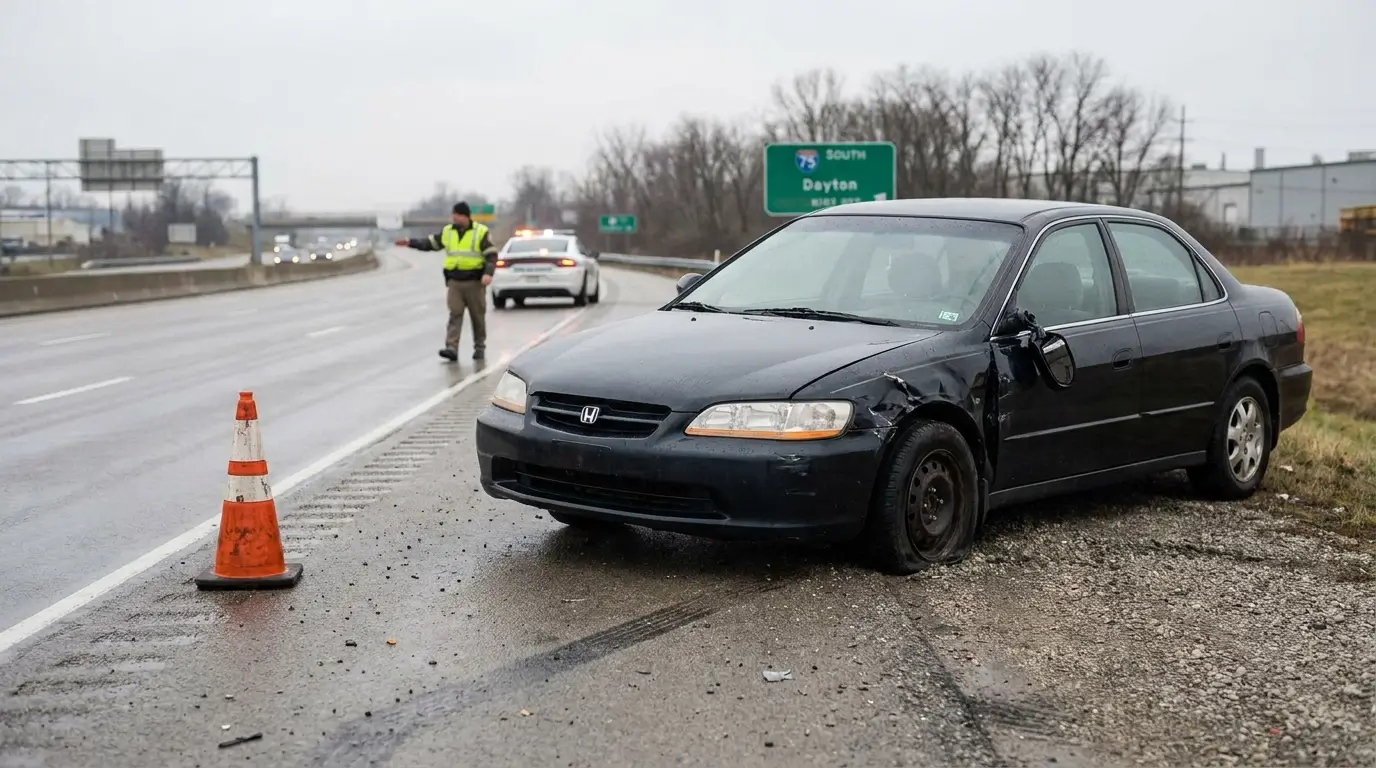
Safeguarding Your Rights After a Serious Car Crash in Dayton
A severe car crash can leave you facing surgeries, mounting medical bills, and months of lost income. If another driver’s negligence caused your injuries in Dayton, Ohio, the steps you take after the collision can make or break your ability to recover fair compensation. Ohio law imposes strict deadlines and procedural rules that directly affect your right to file a claim, and insurance companies move quickly to minimize what they owe. Understanding how to protect a severe injury claim after a Dayton car crash starts with knowing your legal rights, preserving critical evidence, and acting before the clock runs out.
If you suffered a serious injury in a Dayton car crash and need guidance on your next steps, The Attkisson Law Firm is here to help. Call 937-400-0000 or reach out online to discuss your case today.

Ohio’s Two-Year Statute of Limitations and Why It Matters
Ohio Revised Code § 2305.10(A) requires that an action for bodily injury must be brought within two years after the cause of action accrues. For most car crash cases, the cause of action accrues on the date of the collision. If you were injured in a Dayton car wreck, you generally have two years from the crash date to file a lawsuit or risk losing your right to seek compensation entirely.
This deadline applies broadly across motor vehicle injury cases, including those involving motorcyclists and pedestrians. Product liability claims related to the crash, such as a defective airbag or faulty braking system, also fall under this two-year window under ORC § 2305.10, though a ten-year statute of repose may bar claims on older products.
Courts interpret this limitation period strictly, with only narrow exceptions. Under ORC § 2305.15, the statute may be tolled if the at-fault party is out of state, has absconded, or conceals themselves. ORC § 2305.16 may toll the deadline for minors or individuals of unsound mind. These tolling provisions do not apply automatically and require specific factual circumstances.
💡 Pro Tip: Mark your crash date on a calendar and count forward two years. Don’t wait until the last few months to consult an attorney, building a strong severe injury claim takes time.
How a Car Accident Attorney in Dayton Can Help Preserve Evidence
The strength of your injury claim depends on the evidence you collect and protect after the crash. Physical evidence from the scene, medical records, and witness statements can deteriorate or disappear quickly. Surveillance footage may be overwritten within days, and skid marks fade with weather and traffic.
Working with a Dayton personal injury attorney early ensures nothing critical is lost. An attorney can send spoliation letters to prevent evidence destruction, obtain police reports, and coordinate with accident reconstruction professionals. Learn more about the specific steps in our guide on gathering evidence for a severe injury claim.
Your own documentation matters equally. Keep every medical bill, discharge summary, therapy record, and prescription receipt. Photograph your injuries as they progress through treatment. Save all insurance correspondence and never provide a recorded statement without legal guidance.
💡 Pro Tip: If physically able, photograph the crash scene, vehicle damage, road conditions, and visible injuries before leaving. These photos become powerful evidence months later.
Understanding Ohio’s Comparative Fault Rules and Your Claim
Ohio follows a modified comparative negligence rule under ORC § 2315.33, which directly affects your compensation. You can recover damages only if your own contributory fault is not greater than the combined fault of all other parties. If you are found 51 percent or more at fault, you are barred from any recovery.
When a plaintiff is partially at fault but still eligible to recover, the court reduces compensatory damages proportionally. For example, if your total damages equal $200,000 and you are 20 percent at fault, your award would be reduced by $40,000 to $160,000. This proportional reduction under Ohio’s comparative fault statute makes clear evidence of the other party’s negligence essential.
|
Plaintiff’s Fault Percentage |
Effect on Recovery |
|---|---|
|
0% |
Full compensatory damages awarded |
|
1%-50% |
Damages reduced by plaintiff’s percentage of fault |
|
51% or more |
Plaintiff is completely barred from recovery |
Insurance companies frequently attempt to shift fault onto the injured plaintiff to reduce or eliminate their payout. They may point to minor traffic violations, claim distraction, or argue you failed to mitigate your injuries. This makes evidence preservation and strong legal strategy critical for serious injury cases.
💡 Pro Tip: Avoid posting about your crash or injuries on social media. Insurance adjusters monitor claimants’ online activity and may use photos or comments to argue your injuries are less severe.
Critical Deadlines and Exceptions Crash Victims Should Know
Beyond the standard two-year filing window, Ohio law includes several provisions that may affect your timeline. Understanding these rules helps avoid costly mistakes, but none should be treated as a reason to delay action.
The Saving Statute for Failed Actions
Under ORC § 2305.19, if a plaintiff’s case is reversed on appeal or fails for reasons other than on the merits, Ohio law allows a new action within one year of that event. This provision exists as a safety net but applies only in limited procedural circumstances.
Tolling for Special Circumstances
The statute of limitations clock may pause under certain conditions. ORC § 2305.15 addresses situations where the at-fault party leaves Ohio, absconds, or conceals themselves. ORC § 2305.16 provides tolling for crash victims who are minors or persons of unsound mind. Courts interpret these tolling provisions narrowly.
Wrongful Death Claims
If a loved one was killed in a Dayton car crash, ORC § 2125.02 requires wrongful death actions to be filed within two years from the date of death, which may differ from the crash date. Only the personal representative of the decedent’s estate may bring this action.
💡 Pro Tip: If your claim involves a minor child or an incapacitated family member, consult an attorney promptly to determine whether tolling provisions apply.
Steps to Protect a Severe Injury Claim in Dayton, Ohio
Taking organized action after a serious car crash in Dayton positions you for the strongest possible outcome. While every case differs, foundational steps apply to most severe injury claims.
-
Seek immediate medical attention and follow all recommended treatment. Gaps in medical care give insurers ammunition to minimize your injuries.
-
Report the crash to law enforcement and obtain the official police report.
-
Do not accept an early settlement offer without understanding the full scope of your injuries and future medical needs.
-
Keep detailed records of how your injuries affect daily life, including pain levels, activity limitations, and emotional impact.
-
Consult a Dayton auto accident lawyer before making statements or signing documents from insurance companies.
Severe injuries like traumatic brain injuries, spinal cord damage, or multiple fractures often require ongoing treatment spanning years. Settling too early means leaving money on the table because the full extent of future medical costs, lost earning capacity, and pain may not yet be clear.
💡 Pro Tip: Ask medical providers to document your prognosis and expected future treatment needs. This strengthens your claim by showing the long-term impact of your injuries.
What to Expect From Insurance Companies After a Serious Crash
Insurance adjusters protect their company’s bottom line, not your fair compensation. After a serious injury car crash in Dayton, you may receive an offer within days that sounds generous but falls far short of your claim’s worth. These early offers rarely account for future surgeries, rehabilitation, or lasting effects.
Common insurer tactics include requesting recorded statements, disputing injury severity, and arguing pre-existing conditions caused your pain. They may delay processing hoping financial pressure forces you to accept less. Recognizing these strategies helps counter them effectively.
Ohio courts of common pleas have original jurisdiction over civil tort cases, but litigation involves navigating procedural rules, evidentiary standards, and statutory caps on non-economic damages. Experienced legal counsel levels the playing field and signals you are prepared to go to trial if necessary.
Frequently Asked Questions
1. How long do I have to file a car accident injury claim in Ohio?
Under ORC § 2305.10(A), you generally have two years from the crash date to file a bodily injury lawsuit in Ohio. This applies to product liability claims from the same collision, though a statute of repose may limit claims on older products. Missing this window typically means losing your right to compensation, subject to narrow tolling exceptions.
2. Can I still recover damages if I was partially at fault for the crash?
Under Ohio’s modified comparative negligence rule in ORC § 2315.33, you may recover damages as long as your fault is not greater than the combined fault of all other parties. If you are 51 percent or more at fault, you are barred from recovery. Any damages awarded are reduced by your percentage of fault.
3. What evidence should I preserve after a severe car crash in Dayton?
Preserve photographs of the scene and your injuries, medical records, the police report, witness contact information, and all insurance communications. Physical evidence from the vehicles is also critical. Act quickly, surveillance footage may be lost within days.
4. What happens if the at-fault driver leaves Ohio after the crash?
Under ORC § 2305.15, the statute of limitations may be tolled if the defendant is out of state, has absconded, or conceals themselves. Courts interpret these provisions narrowly, and whether they apply depends on your case’s specific circumstances. Consult an attorney to evaluate your options.
5. Should I accept the insurance company’s first settlement offer?
In most severe injury cases, the first offer doesn’t reflect your claim’s full value. Early settlement offers frequently fail to account for future medical treatment, lost earning capacity, and long-term pain and suffering. Have an attorney review any offer before accepting.
Take Action to Protect Your Dayton Car Crash Claim
Protecting a severe injury claim after a car crash in Dayton requires prompt action, thorough evidence preservation, and clear understanding of Ohio’s legal deadlines and comparative fault rules. The two-year statute of limitations under ORC § 2305.10 leaves little room for delay, and insurance companies count on injured people not knowing their full rights. Every decision you make following a crash, from documenting injuries to handling insurer communications, shapes your case’s trajectory.
If you or a loved one suffered a serious injury in a Dayton car crash, The Attkisson Law Firm is ready to fight for the compensation you deserve. Call 937-400-0000 or contact us today to schedule a consultation and take the first step toward protecting your claim.