
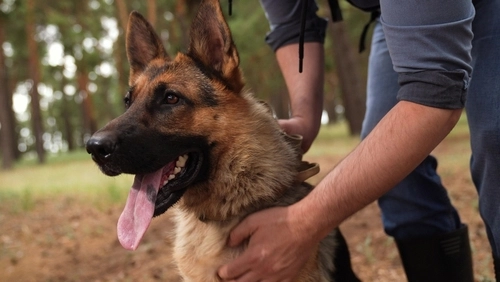
If you or a loved one has been bitten by a dog in Dayton, Ohio, you may be entitled to compensation without needing to prove the dog owner knew the animal was dangerous. Ohio is a strict liability state for dog bites, meaning that under Ohio Revised Code § 955.28(B), the owner, keeper, or harborer of a dog is liable for any injury, death, or loss to person or property caused by the dog. Unlike states that follow a “one-bite rule,” Ohio law does not require showing the dog had a history of aggression. This framework protects victims and ensures those responsible for a dog bear the financial consequences when it causes harm.
If you have been injured in a dog attack, The Attkisson Law Firm is here to help. Call 937-400-0000 or reach out to our team online to discuss your dog bite claim in Dayton, Ohio.
How Ohio’s Strict Liability Dog Bite Law Works
Ohio Revised Code § 955.28(B) is the primary statute governing dog owner liability in the state. It establishes that the owner, keeper, or harborer of a dog is liable for damages caused by the dog, regardless of whether the owner had prior knowledge of vicious tendencies. This removes one of the biggest hurdles victims face in other states: proving the owner knew the dog was dangerous.
In practical terms, strict liability means your dog bite claim focuses on three core elements. First, you must show the defendant was the owner, keeper, or harborer of the dog. Second, you must demonstrate the dog caused your injury. Third, you must prove your damages, such as medical bills, lost wages, pain and suffering, or disfigurement. You do not need to prove negligence or that the owner failed to restrain the dog.
💡 Pro Tip: Document everything immediately after a dog bite. Photograph your injuries, get the dog owner’s contact and insurance information, and seek medical attention right away. This evidence is critical to building a strong claim.

Who Can Be Held Liable for a Dog Bite Injury in Dayton?
Ohio law casts a wide net when defining who may be responsible for a dog bite. The statute applies not only to dog owners but also to “keepers” and “harborers.” A keeper is generally someone who has custody or control of the dog at the time of the incident. A harborer is someone who has possession and control of the premises where the dog lives and silently acquiesces to the dog’s presence. This means a landlord, family member, pet sitter, or friend watching the dog could potentially face liability depending on the circumstances.
This broad definition protects victims from situations where the actual owner is difficult to identify or locate. If you were bitten while visiting someone’s home and the dog belonged to a guest staying there, the person harboring the dog at that property may still be held responsible under Ohio’s dog liability statutes.
💡 Pro Tip: If you are unsure who owns the dog that bit you, a Dayton dog bite lawyer can help investigate ownership and identify all potentially liable parties, including keepers and harborers.
Exceptions to Strict Liability Under ORC § 955.28
Criminal Trespass and Criminal Conduct
Not every dog bite results in liability for the owner. Ohio Revised Code § 955.28(B) provides that strict liability does not apply if the injury was caused to a person who was committing or attempting to commit criminal trespass or another criminal offense other than a minor misdemeanor on the property of the owner, keeper, or harborer, or against any person at the time of the bite.
Teasing, Tormenting, or Abusing the Dog
Another key exception exists when the victim provoked the animal. Under § 955.28(B), the dog’s owner, keeper, or harborer is not liable if the injured person was teasing, tormenting, or abusing the dog on the owner’s, keeper’s, or harborer’s property. This defense is commonly raised by insurance companies, so preserving witness statements and evidence that you did nothing to provoke the dog is important.
Protection for Door-to-Door Solicitors
Ohio law specifically addresses injuries to door-to-door solicitors. Under § 955.28(B), the dog owner remains liable for injuries caused to a person on the property solely for the purpose of engaging in door-to-door sales or other solicitations, as long as that person was not committing a criminal offense or tormenting the dog.
|
Exception |
Effect on Liability |
|---|---|
|
Victim was committing criminal trespass or a criminal offense (other than a minor misdemeanor) |
Owner may not be liable |
|
Victim was teasing, tormenting, or abusing the dog on the owner’s, keeper’s, or harborer’s property |
Owner may not be liable |
|
Victim was a door-to-door solicitor lawfully on the property |
Owner generally remains liable |
💡 Pro Tip: Insurance adjusters may try to argue you provoked the dog or were trespassing to avoid paying your claim. Do not give a recorded statement without first speaking to a dog bite attorney in Dayton who can protect your rights.
What Happens After a Dog Bite in Ohio: Quarantine and Reporting
After a dog bite occurs in Ohio, the dog must be quarantined. Under Ohio Revised Code § 955.261(B), the quarantine period for a dog that has bitten any person is ten days, or another period the board of health determines is necessary to observe the dog for rabies. During this time, it is illegal to remove the dog from the county where the bite occurred or transfer it, except to a county dog warden or animal control authority.
A dog that has bitten someone generally cannot be killed until the quarantine period is completed. The exception Under § 955.261(A)(2)(b) allows killing the dog only if necessary to prevent further injury or death, or if the dog is diseased or seriously injured. Under § 955.28(A), a dog that is actively chasing, approaching menacingly, or attempting to bite a person may be killed at the time of the attack without liability for cruelty to animals.
Reporting the bite to local authorities creates an official record. This documentation can serve as valuable evidence if you pursue a dog bite injury claim. Contact your local health department or animal control to file a report as soon as possible after receiving medical treatment.
💡 Pro Tip: Request a copy of the animal control report and quarantine records. These official documents help establish the timeline and severity of the incident when building your case.
Understanding the Impact of a Dog Bite Injury in Dayton
Dog bite injuries often extend far beyond the initial wound. Victims may face surgeries, skin grafts, infections, nerve damage, and lasting scarring or disfigurement. Children are particularly vulnerable to severe facial injuries. The emotional toll can be equally significant, with many victims developing anxiety, PTSD, or a lasting fear of animals.
Ohio’s strict liability framework allows victims to seek compensation for a range of damages. These may include:
-
Medical expenses, including emergency care, surgeries, and ongoing treatment
-
Lost wages and diminished earning capacity
-
Pain and suffering
-
Scarring and disfigurement
-
Emotional distress
Understanding how impactful a dog bite can be is essential when evaluating your claim’s full value. Insurance companies frequently push for quick, lowball settlements before victims fully understand the long-term consequences of their injuries. Assessing the complete scope of your damages can make a meaningful difference in your recovery.
Why You Need a Dog Bite Attorney in Dayton
Navigating a dog bite claim involves more than just knowing the law. You need someone who can identify all liable parties, gather evidence, handle communications with insurance adjusters, and accurately calculate the full extent of your damages. Insurance companies have teams working to minimize payouts, and strong legal representation levels the playing field.
A Dayton dog bite lawyer can guide you through every step of the process. From filing the initial claim to negotiating a fair settlement or pursuing litigation if necessary, experienced legal counsel ensures your rights are protected under Ohio law.
💡 Pro Tip: The time limit for filing a dog bite claim in Ohio depends on the legal theory pursued. Strict liability claims under ORC § 955.28 may allow up to six years, while negligence-based claims under ORC § 2305.10 must generally be filed within two years. Consulting an attorney promptly ensures you do not lose your right to seek compensation.
Frequently Asked Questions
1. Do I have to prove the dog was dangerous to file a dog bite claim in Dayton, Ohio?
No. Under Ohio’s strict liability statute, ORC § 955.28(B), you do not need to prove the dog had a history of aggression or that the owner knew the dog was dangerous. You need to show the defendant owned, kept, or harbored the dog, and that the dog caused your injury.
2. Can a dog owner avoid liability if I was on their property when bitten?
It depends on the circumstances. The owner may have a defense if you were committing criminal trespass or teasing, tormenting, or abusing the dog on their property. However, if you were lawfully present, the owner generally remains liable Under § 955.28(B).
3. What should I do immediately after a dog bite in Dayton?
Seek medical attention first, then document everything. Take photos of your injuries and the location, collect the dog owner’s information, and report the incident to local animal control. Preserving this evidence early strengthens your claim.
4. How long do I have to file a dog bite lawsuit in Ohio?
The filing deadline depends on the legal theory you pursue. Strict liability claims under ORC § 955.28 may generally be filed within six years of the incident, while negligence-based claims under ORC § 2305.10 must typically be filed within two years. Specific facts may affect these timelines, and consulting with an attorney promptly is the safest course of action.
5. What if the dog owner’s insurance company offers me a quick settlement?
Be cautious before accepting any early offer. Insurance companies often propose settlements before victims fully understand the extent of their injuries and long-term treatment needs. An experienced dog bite attorney can evaluate whether the offer fairly compensates you for all damages.
Protecting Your Rights After a Dog Bite in Dayton
Ohio’s strict liability law under ORC § 955.28(B) provides strong protections for dog bite victims, but successfully recovering fair compensation still requires careful evidence gathering, accurate assessment of damages, and effective negotiation with insurance companies. Whether you suffered a minor bite or a serious mauling, you deserve to know your legal options.
The Attkisson Law Firm is ready to help you pursue the compensation you deserve. Call 937-400-0000 today or contact us online to schedule a consultation with a dog bite attorney in Dayton who will fight for your rights.