
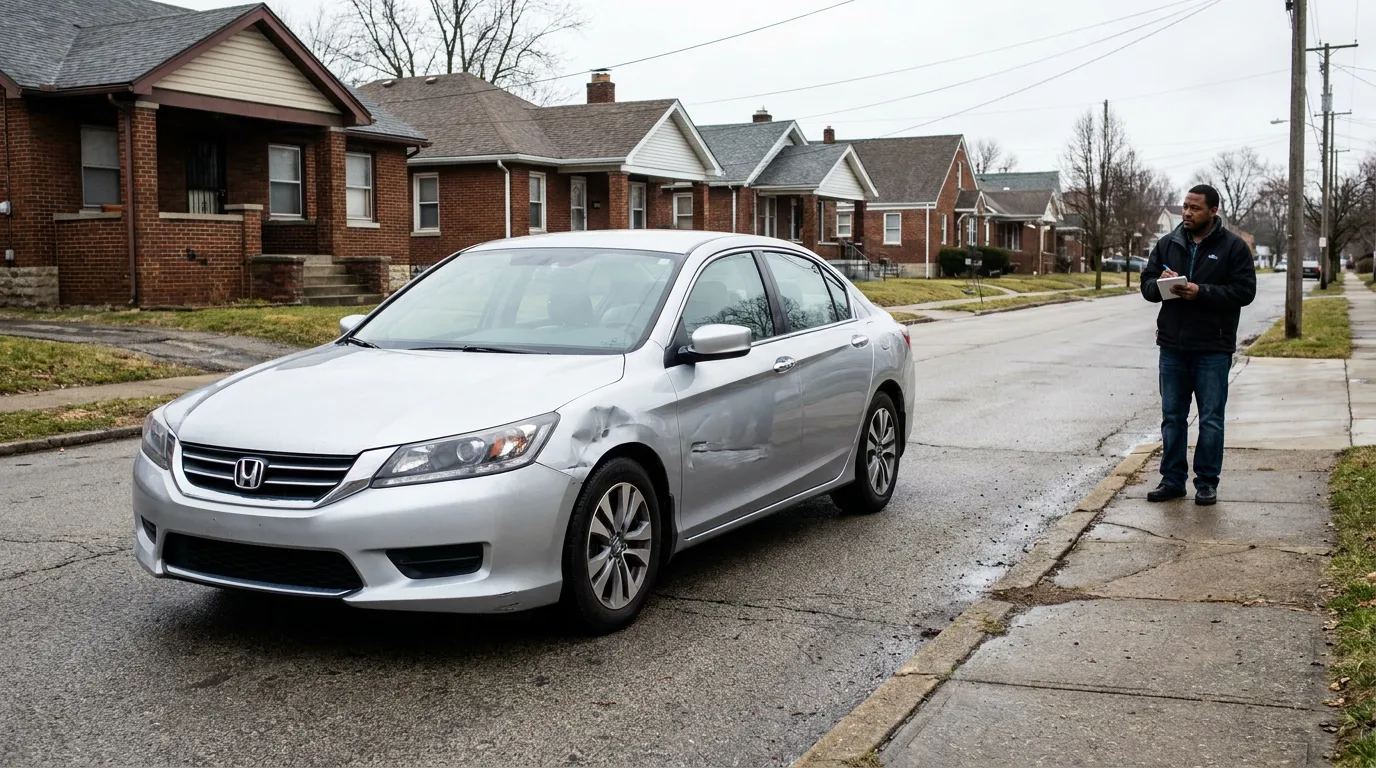
Understanding Fault and Recovery After a Serious Dayton Crash
Key Takeaways: Determining liability for a spinal cord injury after a Dayton car accident depends on proving another party’s negligence caused the harm. Liability may rest with a single driver or be shared among employers, manufacturers, or government entities responsible for hazardous roads. Ohio’s modified comparative negligence rule under Ohio Revised Code § 2315.33 allows recovery only when the victim’s fault is not greater than 50%, with damages reduced by the percentage of fault assigned. Ohio law requires bodily injury lawsuits to be filed within two years under Ohio Revised Code § 2305.10, with limited exceptions. Because these cases involve significant long-term costs, thorough investigation and early evidence preservation are essential. An experienced Dayton attorney can help navigate the apportionment process and counter attempts to inflate your share of fault.
Determining liability for a spinal cord injury after a Dayton car accident depends on proving another party’s negligence caused the harm. Liability typically falls on the driver whose careless conduct, such as distracted driving or speeding, led to the collision. However, Ohio law allows fault to be shared among multiple parties. A spinal cord injury car accident Dayton, Ohio victim must understand how the state apportions fault and how that affects compensation.
If you or a loved one is facing a life-altering spinal cord injury, the team at The Attkisson Law Firm is ready to help. Call our office at 937-400-0000 or reach out through our online case review form.
Who Can Be Held Responsible for the Collision
Liability in a serious crash generally begins with the driver whose breach of duty caused the wreck, but it does not always end there. Ohio negligence law requires establishing four elements: duty, breach, causation, and damages. In a Dayton car accident injury, this means showing another motorist owed a duty of safe driving, breached it, and directly caused the spinal cord damage.
Multiple parties may share responsibility depending on the crash facts. Establishing liability in a Dayton car crash frequently involves investigating more than just the drivers. Responsibility may extend to:
- A negligent driver who was texting, impaired, or speeding
- An employer, if the at-fault driver was working within the scope of employment
- A vehicle or parts manufacturer, when a defect contributed to the injury
- A government entity responsible for hazardous road conditions, subject to separate notice rules
Because these parties may each bear fault, identifying every potentially liable source is central to a spinal cord injury claim Ohio victims pursue. Courts consider the conduct of all involved persons when assigning responsibility. This is why thorough investigation, often with assistance from a Dayton Ohio car accident lawyer, matters in high-value injury cases.
How Ohio’s Comparative Negligence Rule Shapes Liability
Ohio follows a modified comparative negligence system that can reduce or bar a victim’s recovery based on their own share of fault. Ohio adopted its comparative negligence statute in 1980, replacing the older contributory negligence framework that barred recovery for even slightly at-fault plaintiffs. The history of that legislative shift is documented in a University of Dayton Law Review analysis of Senate Bill 165.
Under Ohio Revised Code § 2315.33, an injured party’s own fault does not automatically prevent recovery. The statute provides that contributory fault does not bar recovery as long as that fault was not greater than the combined fault of all other responsible parties. This creates the 50%/51% threshold: a claimant found more than 50% at fault is barred from recovering anything. You can review the full text of Ohio’s modified comparative negligence rule.
When a plaintiff’s fault falls within the allowable range, damages are reduced proportionally. The court diminishes compensatory damages by the percentage of fault assigned to the plaintiff. For example, if a court assigns 40% fault to an injured driver and 60% to the other motorist, the injured driver may recover only 60% of total damages. In a spinal cord injury case with substantial medical costs and lost income, even a modest percentage of assigned fault can significantly affect net recovery.
💡 Pro Tip: Insurance adjusters often try to shift a larger share of fault onto injured victims to lower payouts. Documenting the scene, preserving witness contact information, and following through with medical care can help counter attempts to inflate your percentage of negligence.
Comparing Negligence Systems That Affect Liability
Understanding how Ohio’s rule differs from other systems helps clarify why fault percentages matter. Comparative negligence is a tort principle that reduces the damages a plaintiff can recover according to each party’s degree of fault.
| Negligence System | General Effect on Recovery |
|---|---|
| Pure Comparative | Plaintiff may recover even if 99% at fault, minus their share |
| Modified (Ohio) | Plaintiff barred if more than 50% at fault |
| Contributory | Any fault by the plaintiff may bar recovery entirely |
Ohio’s modified approach sits between the two extremes, allowing recovery but capping it at the halfway point of fault. For a spinal cord injury liability Dayton claim, the difference between 50% and 51% fault can mean the difference between substantial compensation and none at all.
Ohio’s Filing Deadline for Spinal Cord Injury Claims
Ohio law generally requires bodily injury lawsuits to be filed within two years of the date the cause of action accrues. Under Ohio Revised Code § 2305.10, an action for bodily injury shall be brought within two years after the cause of action accrues. For most car accident cases, the two-year clock starts on the date the injury occurs. Reviewing the statutory limitation period for bodily injury can help victims understand this window.
Certain limited exceptions may pause or alter this deadline, but courts interpret them narrowly. The statute contains a discovery-rule provision for latent injuries, under which a cause of action may accrue when the plaintiff learns, or reasonably should have learned, that an injury is connected to a specific cause. Ohio also recognizes tolling provisions under § 2305.16 for circumstances such as minority or mental incompetence. These exceptions do not apply automatically and should never be assumed without legal review.
It is important to distinguish civil filing deadlines from government administrative claim requirements. When a crash involves a public entity or hazardous public roadway, separate notice rules and shorter timelines may apply. Because outcomes depend heavily on specific facts, victims should confirm how deadlines apply to their circumstances.
Building a Strong Spinal Cord Injury Car Accident Dayton, Ohio Claim
A strong claim rests on preserving evidence early and connecting the negligence to the severity of the spinal injury. Spinal cord injuries can carry lifelong consequences, and claim value often turns on medical documentation and proof of causation. Victims can learn what Dayton victims should know about spinal cord injuries before speaking with an insurer.
Practical steps taken after a crash can strengthen a negligence Dayton car crash claim. Consider these measures that often support liability arguments:
- Seek prompt medical evaluation and follow all treatment recommendations
- Keep records of medical bills, lost wages, and out-of-pocket costs
- Photograph the vehicles, the scene, and visible injuries when possible
- Obtain the police report and witness statements
Working with an experienced legal team can help injured victims navigate the apportionment process and counter lowball settlement offers. A knowledgeable Ohio spinal cord injury lawyer can investigate every potential source of liability, retain supporting professionals, and present evidence that limits the fault assigned to the victim. Learn more about the firm’s approach as a dedicated Dayton auto accident attorney serving Montgomery County families.

Frequently Asked Questions About Liability in a Spinal Cord Injury Car Accident Dayton, Ohio
1. Can I still recover compensation if I was partly at fault?
In many cases, yes, provided your fault is not greater than the combined fault of the other parties. Under Ohio Revised Code § 2315.33, recovery is barred only when a plaintiff is more than 50% responsible. Damages awarded are reduced by your assigned percentage of fault.
2. How long do I have to file a spinal cord injury claim in Ohio?
Ohio generally allows two years from the date the cause of action accrues to file a bodily injury lawsuit. This deadline comes from Ohio Revised Code § 2305.10. Limited exceptions may apply, but courts interpret them narrowly.
3. Who besides the other driver could be liable for my injury?
Depending on the facts, employers, vehicle manufacturers, or entities responsible for road conditions may share liability. Courts consider the conduct of all involved parties when apportioning fault. Identifying every responsible source is essential to full recovery.
4. Does the discovery rule automatically extend my deadline?
No, the discovery rule applies only in limited circumstances and is not automatic. It may apply when an injury and its cause were not immediately apparent. Because courts read this exception narrowly, confirm how it applies to your situation.
5. How does fault percentage affect my final settlement?
Your recovery is reduced in proportion to the percentage of fault assigned to you. For example, a victim found 30% at fault may recover 70% of total damages. This makes accurate fault allocation a key issue in serious injury cases.
Protecting Your Rights After a Devastating Dayton Crash
Determining liability for a spinal cord injury after a Dayton car accident requires examining negligence, Ohio’s modified comparative negligence rule, and the state’s two-year filing deadline. Liability may rest with one driver or be shared among several parties, and the percentage of fault assigned can dramatically affect the outcome. Because these cases are fact-sensitive and involve significant long-term costs, understanding the governing statutes is essential for any injured victim seeking full and fair compensation.
If you are ready to discuss who may be responsible for your injuries, The Attkisson Law Firm is here to guide you. Call us at 937-400-0000 or schedule your consultation online to take the next step toward protecting your future.