
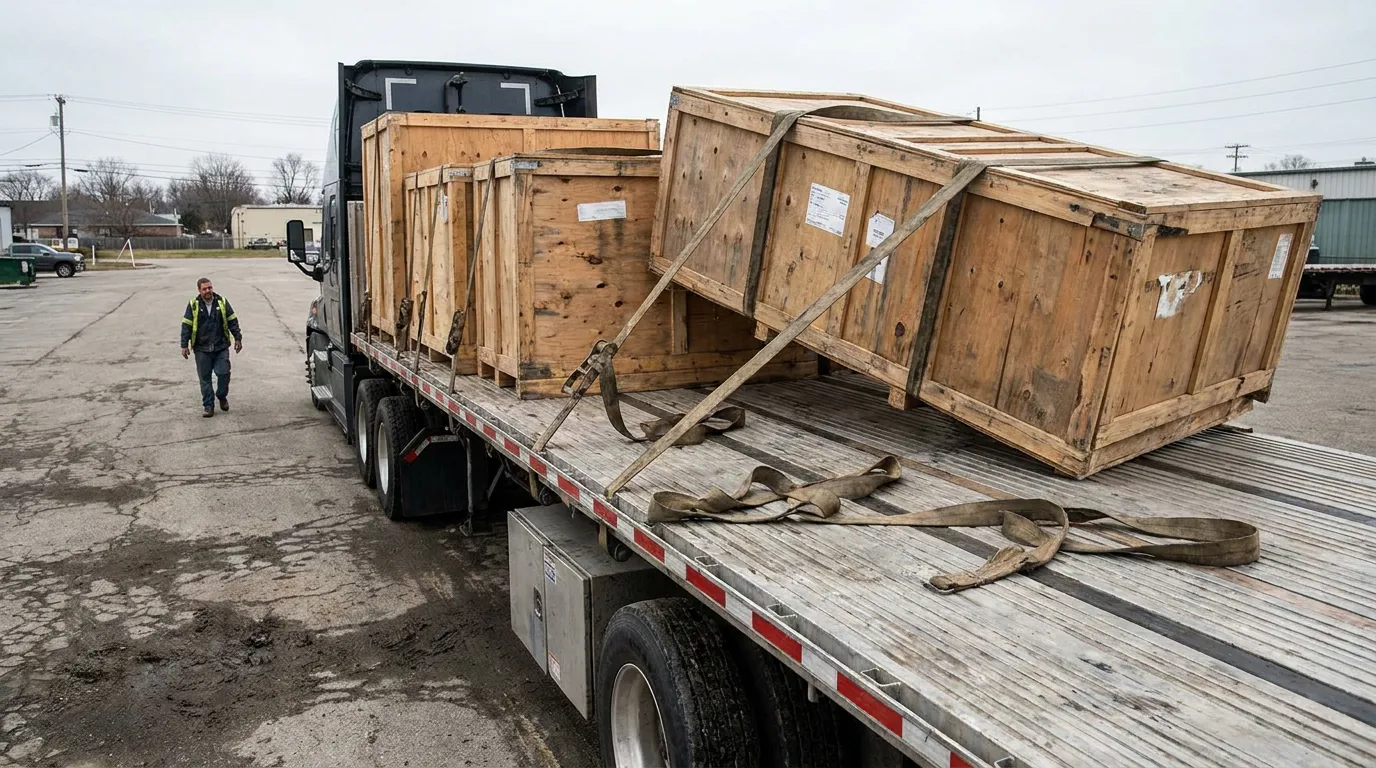
When Unsecured Freight Turns a Highway Into a Hazard
Key Takeaways: A cargo securement violation occurs when a commercial truck’s load is not blocked, braced, or tied down as federal rules under 49 CFR Part 393 require, allowing freight to shift, spill, or fall into traffic. Common failures include too few tiedowns, worn or underrated straps, missing blocking, skipped inspections, and poor weight distribution. Under Ohio law, "conduct" includes omissions, so failure to secure cargo may support negligence claims. The driver, carrier, shipper, broker, or loading crew may share responsibility. Proving the case depends on time-sensitive evidence like bills of lading, inspection reports, telematics, and dashcam footage, typically controlled by the trucking company. Ohio allows recovery of economic and noneconomic losses, applies modified comparative fault that can reduce or bar awards based on your share of blame, and generally imposes a two-year deadline with limited exceptions.
A cargo securement violation happens when a commercial truck’s load is not blocked, braced, or tied down as federal safety rules require, allowing freight to shift, spill, or fall onto the roadway. That failure can send steel coils, lumber, machinery, or pallets into traffic on I-75, I-70, or U.S. 35, causing catastrophic injuries. Federal load securement standards under 49 CFR Part 393 set minimum performance requirements for tiedowns, working load limits, and commodity-specific rules, and evidence that a carrier ignored them may be offered as proof of negligence in an Ohio truck crash claim.
If you or a loved one suffered serious injuries in a wreck involving spilled or shifting freight, the sooner a legal team reviews the evidence, the better. The Attkisson Law Firm helps injured people and grieving families across the Miami Valley investigate what went wrong. Call 937-400-0000 or reach out to our team today to discuss your situation.
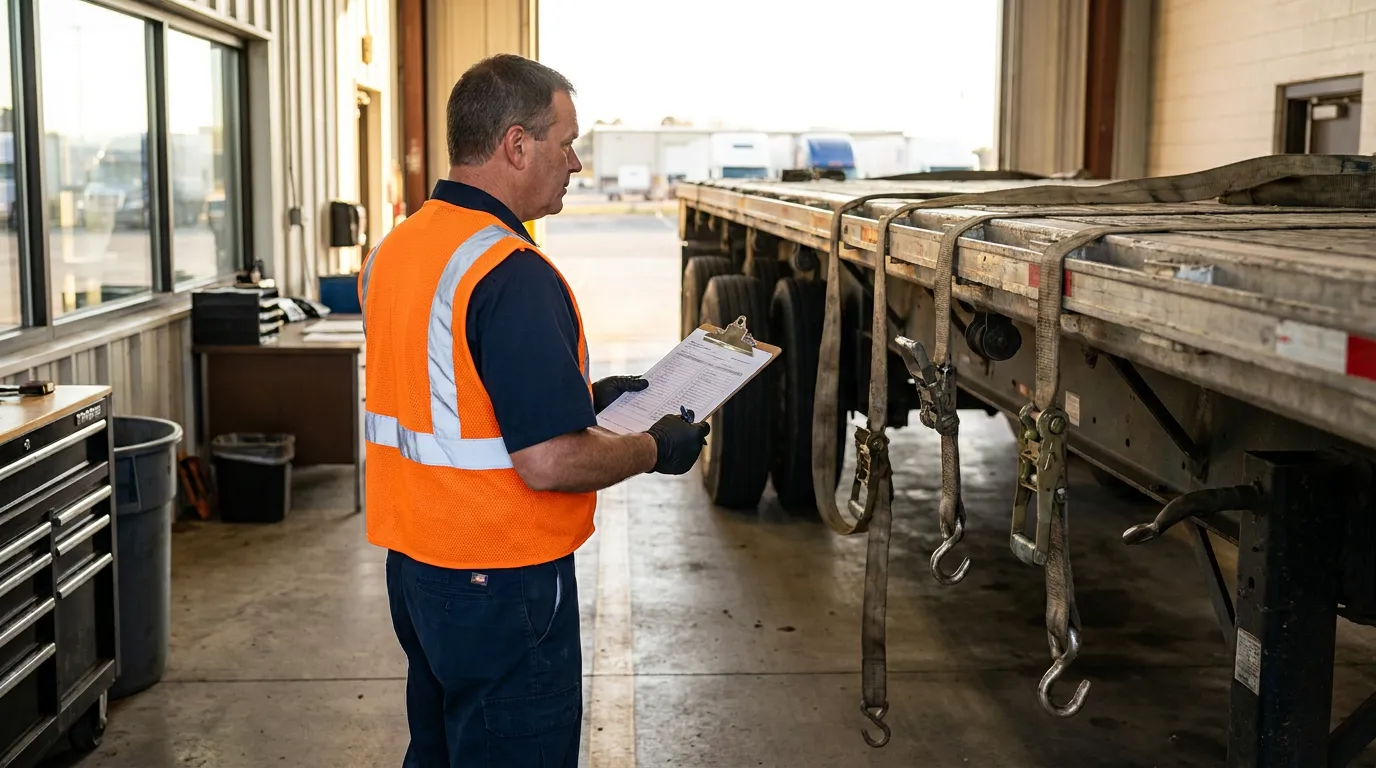
How Federal Cargo Rules Define Proper Load Securement
Federal cargo rules require that freight remain secured against forces a truck experiences in normal driving and emergency maneuvers. Part 393 addresses the number and strength of tiedowns, aggregate working load limits relative to cargo weight, and dedicated standards for commodities such as logs, metal coils, concrete pipe, intermodal containers, and heavy machinery. Motor carriers and drivers share responsibility for inspecting and adjusting loads, and violations may appear on roadside inspection reports or post-crash investigations.
Common securement failures include:
- Too few tiedowns for the length and weight of cargo
- Straps, chains, or binders that are frayed, corroded, or underrated
- Missing blocking or bracing that lets freight slide forward under hard braking
- Skipped pre-trip and en-route load inspections
- Improperly distributed weight contributing to rollover or jackknife events
Why an Omission Counts as Actionable Conduct
Ohio tort law does not always require an affirmative act to establish liability. Under Ohio Rev. Code § 2307.011(A), "conduct" includes actions and omissions. Many securement cases involve failures to act: omitting required tiedowns, skipping mandated load checks, or ignoring damaged straps. Claims based on omissions still require proof that the defendant owed a legal duty to act.
Who May Share Responsibility for a Shifted Load
More than one company often touches a load before it reaches the highway. The driver, motor carrier, shipper, freight broker, and third-party loading crew may each have played a role in how cargo was packed and restrained. Each party’s exposure depends on its actual role and any contractual or federal-law limits. Ohio’s apportionment-of-liability framework, including Ohio Rev. Code § 2307.22, addresses when liability is joint and several and when it is several only. If a warehouse or shipper loaded the trailer, review whether a cargo shipper can be held liable for a Dayton truck crash.
Proving Cargo Securement Violations in a Truck Accident Case
Cargo violation evidence is often time-sensitive and typically controlled by the trucking company. Bills of lading, load manifests, driver vehicle inspection reports, dashcam and electronic control module data, dispatch communications, and photographs of failed tiedowns can all bear on whether compliance broke down. Loads are often re-secured or removed within hours, and electronic data may be overwritten unless preservation is requested promptly.
A violation does not automatically establish liability. An injured person must still connect the securement failure to the collision and the harm claimed. Defendants frequently dispute causation, argue an intervening cause, or contend the load met applicable standards.
💡 Pro Tip: Photograph the scene from multiple angles if safe to do so, including strap ends, broken binders, and the spilled freight itself. Those images may be the only record of how the load was restrained before the wreck is cleared.
What Ohio Law Allows You to Recover After a Serious Truck Crash
Ohio separates recoverable losses into economic and noneconomic categories. Economic loss includes lost wages, future lost earning capacity, and past and future medical expenses. Noneconomic loss includes pain and suffering; loss of society, consortium, and companionship; mental anguish; and other intangible harm. Noneconomic damages are subject to statutory caps under Ohio Rev. Code § 2315.18, which do not apply to catastrophic injuries such as permanent and substantial physical deformity or loss of a bodily organ system.
Recovery is pursued through a civil action. A Dayton truck crash suit is often filed in the Montgomery County Court of Common Pleas, though venue depends on where the crash occurred, where defendants may be sued, and the amount in controversy.
How Comparative Fault Affects a Cargo Securement Claim
Ohio follows a modified comparative fault system, so being partly at fault does not necessarily end your case. Ohio Rev. Code § 2315.33 provides that contributory fault does not bar recovery if the plaintiff’s fault was not greater than the combined tortious conduct of all others from whom the plaintiff seeks recovery. If the plaintiff’s share exceeds 50 percent, recovery is barred entirely.
Any award may be reduced in proportion to the injured person’s share of blame. The comparative fault statute directs the court to diminish compensatory damages by an amount proportionately equal to the plaintiff’s percentage of fault. That is why trucking defendants often work to shift blame onto the injured motorist even when unsecured freight caused the collision.
How Fault Percentages Actually Get Decided
Fault allocation is generally a factual determination, not an insurance adjuster’s opinion. Ohio Rev. Code § 2315.34 directs the court to reduce damages based on the percentages the factfinder determines. Evidence of a securement rule violation must be presented to the factfinder for allocation.
Deadlines That Can Quietly End an Ohio Truck Crash Claim
Ohio’s general personal injury deadline is two years. Ohio Rev. Code § 2305.10(A) requires that bodily injury actions be brought within two years after the cause of action accrues. For most claims, accrual occurs on the date of the collision.
| Issue | Governing Provision | General Rule |
|---|---|---|
| Bodily injury deadline | R.C. § 2305.10(A) | Two years from accrual |
| Minor or incompetent claimant | R.C. § 2305.16 | May commence within the limitations period after the disability is removed |
| Defective securement equipment | R.C. § 2305.10(C)(1) | Ten-year repose from first delivery of the product, subject to statutory exceptions |
Limited exceptions exist, and Ohio courts generally construe them narrowly. Tolling for minors or those of unsound mind under Ohio Rev. Code § 2305.16 may allow an action within the limitations period after the disability is removed. Claims against public entities under Chapter 2744 and claims against the state in the Court of Claims involve separate notice, venue, and filing requirements, and wrongful death claims run from the date of death under Chapter 2125.
Defective straps, chains, or tiedown hardware may raise an additional timing layer. Ohio Rev. Code § 2305.10(C)(1) provides that no product liability cause of action shall accrue against a manufacturer or supplier later than ten years from delivery to the first purchaser. A Dayton truck accident attorney can evaluate whether a product theory may be viable alongside a negligence claim.
💡 Pro Tip: Send a written evidence preservation request early. Waiting until after an insurer’s first offer can mean inspection reports and telematics data are already gone.
Frequently Asked Questions
1. Does a citation for a tiedown violation prove the trucking company was negligent?
Not by itself. A citation or inspection finding may be persuasive evidence, but an injured person must still prove duty, breach, causation, and damages.
2. Can I still recover if the insurer says I was partly to blame?
Possibly. Under Ohio Rev. Code § 2315.33, contributory fault does not bar recovery if your share is not greater than the combined fault of all others, though damages may be reduced proportionally. An adjuster’s fault assessment is not binding on a court.
3. What if my family member did not survive the crash?
Ohio addresses wrongful death claims under Chapter 2125, with specific rules on who may bring the action, what losses may be recoverable, and a two-year period generally running from the date of death. Those provisions differ from personal injury claims. An attorney can explain how the frameworks may interact.
4. How long do I actually have to file an Ohio truck crash claim?
Generally two years from the date of injury under Ohio’s limitation of actions chapter, subject to limited exceptions and different rules for wrongful death and claims against government entities. Waiting to seek guidance may carry real risk.
5. Who investigates whether the load was secured properly?
Law enforcement and state commercial vehicle inspectors may document conditions at the scene, but their reports generally serve regulatory purposes. Civil claimants often need independent analysis of the trailer, hardware, and carrier records, which requires prompt access before evidence changes.
Protecting Your Rights After a Freight-Related Wreck
Cargo securement violations truck accident claims sit at the intersection of federal safety standards and Ohio civil law. The federal regulations describe how loads should be restrained; Ohio’s statutes address who may be held responsible, how fault is apportioned, what damages are available, and filing deadlines. Outcomes depend on the specific facts, preserved evidence, and how effectively the securement failure is tied to your injuries.
You do not have to piece this together on your own while recovering from serious injuries. The Attkisson Law Firm is trusted by clients throughout Dayton and the surrounding Ohio communities for handling complex, multi-party trucking claims. Call 937-400-0000 or request a case review now to learn how Ohio law may apply to your situation.
Disclaimer: This content is for informational purposes only and is not legal advice. Every case is unique, and results may vary. Consult an attorney about your specific circumstances.