
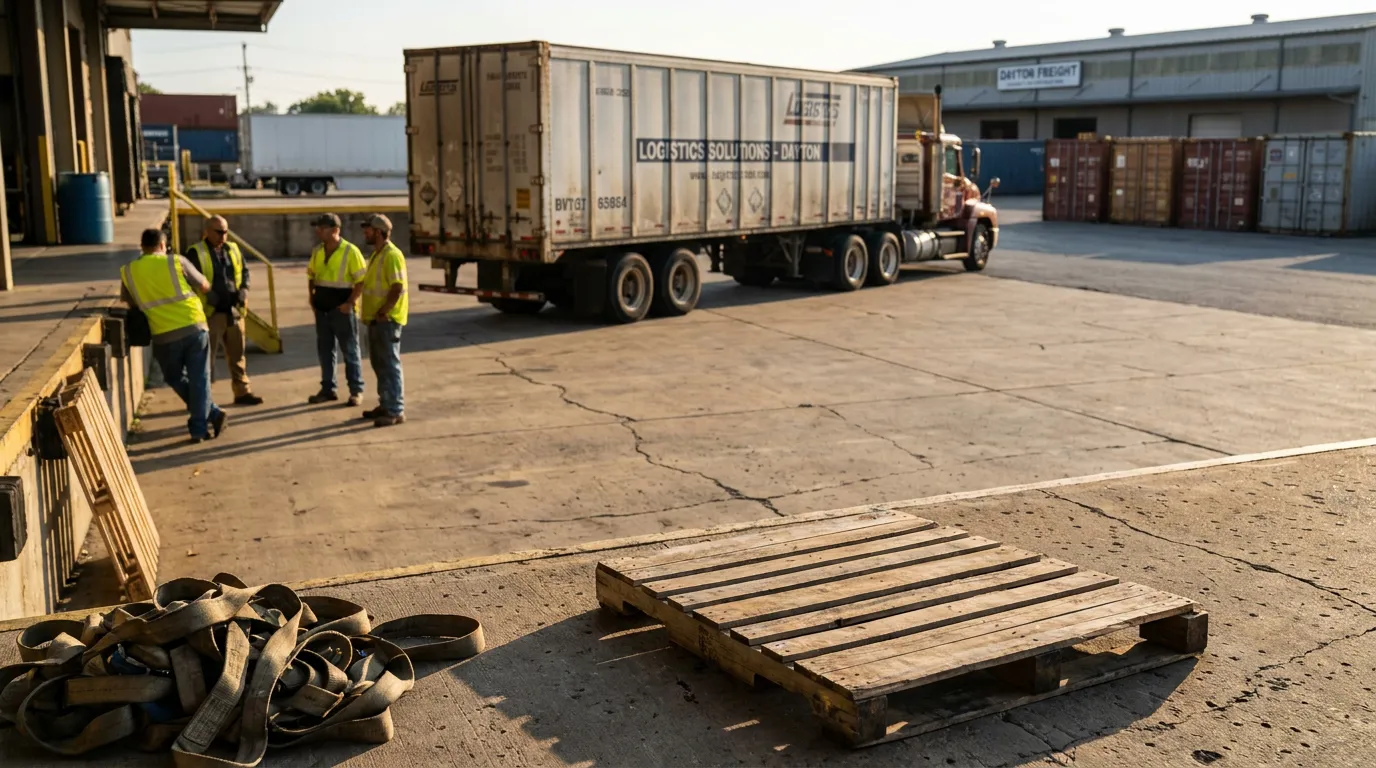
Understanding Multi-Party Liability in Dayton Truck Crashes
Key Takeaways: Yes, a cargo shipper can be held liable for a Dayton truck crash when improper loading, overloading, or unsecured freight contributes to the collision, particularly if the shipper controlled the loading or concealed a defect the driver could not detect. Commercial trucking involves multiple parties, so potential defendants may include the driver, motor carrier, maintenance contractor, parts manufacturer, and cargo shipper. Most cargo shipper claims are negligence-based tort actions under Ohio law rather than breach-of-contract disputes, and proving fault requires linking loading conduct to the crash. Ohio imposes a two-year statute of limitations on truck injury claims, with different timing rules for certain claim types like product liability. Because Ohio allows fault to be apportioned among multiple parties, identifying the shipper’s role can meaningfully increase an injured victim’s recovery. Preserving loading records, weight tickets, and bills of lading early is critical, and working with a knowledgeable legal team ensures no responsible party is overlooked.
Yes, a cargo shipper can potentially be held liable for a Dayton truck crash when improper loading, overloading, or unsecured freight contributes to a collision. Many assume the truck driver is the only at-fault party, but commercial trucking involves layers of companies and contractors. When a load shifts, spills, or throws a rig off balance, the entity that packed or secured that cargo may share responsibility for resulting injuries. Understanding this shared fault often determines whether victims achieve partial or full recovery.
If you or a loved one suffered serious harm in a collision with a commercial truck, the team at The Attkisson Law Firm is ready to help you understand your options. Call us at 937-400-0000 or reach out through our online contact page to discuss what happened. Acting promptly helps preserve critical evidence.
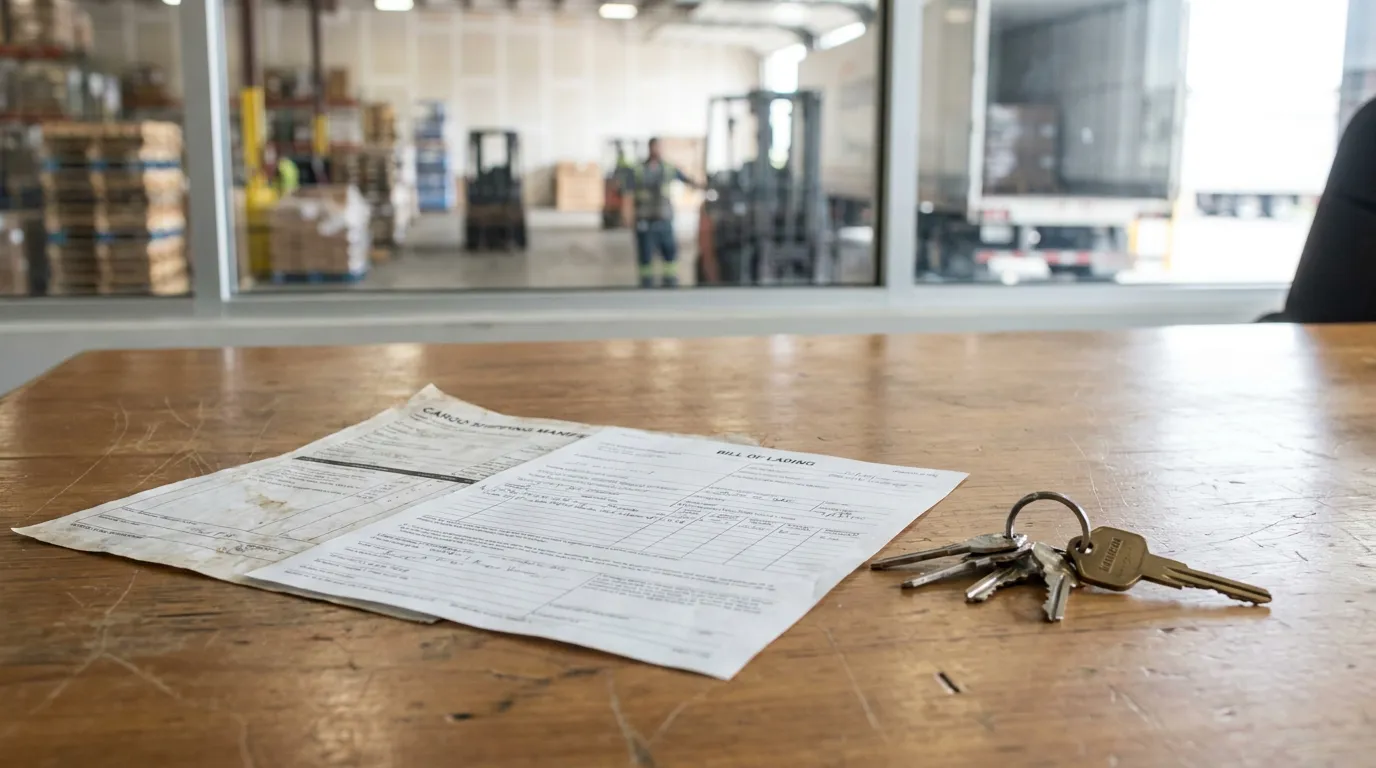
The Cargo Shipper’s Role in a Dayton Commercial Truck Accident
A cargo shipper is the party responsible for preparing, packing, and often loading freight before it travels down Ohio highways. When freight is loaded incorrectly, the danger travels with the truck. A poorly balanced trailer can jackknife, tip over on a ramp, or become nearly impossible to stop in an emergency. In a Dayton commercial truck accident, investigators frequently examine loading records because the shipper’s decisions can set the stage for a catastrophic wreck.
How Improper Loading Causes Crashes
Improper loading is one of the most overlooked causes of severe truck crashes in the Dayton area. An improperly loaded truck can suddenly become unstable when weight is stacked too high or shifted to one side. Common loading failures include:
- Overloading beyond the trailer’s rated weight capacity
- Failing to secure or strap down heavy freight
- Uneven weight distribution that affects braking and steering
- Cargo that spills onto the roadway and strikes other vehicles
Each failure can turn an ordinary haul into an overloaded truck accident with devastating consequences for nearby drivers and passengers.
When a Shipper Owes a Duty of Care
A shipper generally owes a duty of care when it retains control over how cargo is loaded or secured. Ohio cargo loading negligence claims often hinge on who performed the loading and whether a defect was hidden or obvious. If a shipper conceals a dangerous loading condition that the driver could not reasonably detect, courts may consider the shipper a responsible party. This is fact-sensitive, and outcomes depend heavily on specific evidence gathered after the crash.
Who Can Be Sued After a Truck Crash in Dayton, Ohio
Determining who can be sued after a truck crash in Dayton, Ohio often requires identifying every party whose negligence contributed to the collision. Trucking cases rarely involve a single defendant. Potential defendants may include the driver, motor carrier, maintenance contractor, parts manufacturer, and cargo shipper. Because liability can be spread across several entities, a careful investigation into the chain of responsibility is essential.
Ohio law provides the framework for these civil claims. The definitions that govern tort actions appear in the state’s civil tort definitions statute, Ohio Revised Code § 2307.011, which explains key terms such as "tort action," "tortfeasor," and "contributory fault." Notably, a tort action includes product liability claims but does not include civil actions for breach of contract. That distinction matters when a cargo shipper’s role blurs the line between negligence and contractual disputes.
To learn more about how responsibility is allocated among trucking companies, contractors, and shippers, our guide on who can be sued after a truck crash in Dayton, Ohio walks through the multi-party structure of these cases. Understanding this structure early can help injured victims avoid overlooking a liable party.
Proving Fault and Degrees of Culpability Under Ohio Law
Proving fault against a cargo shipper requires showing the appropriate mental state and a direct link between loading conduct and the crash. Ohio law recognizes several levels of blameworthiness. These degrees of culpability are set out in Ohio Revised Code § 2901.22, which defines mental states ranging from purposeful conduct down to negligence.
Negligence Versus Intentional Conduct
Most cargo shipper claims are built on negligence rather than intentional wrongdoing. Under Ohio Revised Code § 2901.22(B), a person acts knowingly when aware that his conduct will probably cause a certain result, while subsection (C) describes acting recklessly when, with heedless indifference to consequences, a person disregards a substantial and unjustifiable risk. A higher mental state also satisfies a lower one, so proof that a shipper knew of a dangerous condition can establish recklessness as well. By contrast, Ohio Revised Code § 2307.011(D) defines an intentional tort claim as one alleging a tortfeasor intentionally caused, or was substantially certain to cause, the injury, a far higher bar than ordinary carelessness.
💡 Pro Tip: Loading documents, weight tickets, and bills of lading can disappear quickly. Requesting that this evidence be preserved in writing soon after a crash may protect your ability to prove Ohio cargo loading negligence later.
Ohio’s Deadlines for Filing a Truck Injury Claim
Ohio generally imposes a two-year statute of limitations on personal injury claims arising from a truck crash. Under Ohio’s statute governing injury deadlines, Ohio Revised Code § 2305.10(A), an action for bodily injury must generally be brought within two years after the cause of action accrues. This deadline typically applies to a Dayton Ohio truck injury claim against any defendant, including a cargo shipper. Missing this window can bar a court from hearing the case entirely.
Certain claim types follow different timing rules, and courts interpret exceptions narrowly. For product liability claims, which may arise if defective cargo or equipment contributed to the crash, Ohio Revised Code § 2305.10(C)(1) provides that no such claim shall accrue against a manufacturer or supplier later than ten years from delivery to the first purchaser. Discovery-based accrual may apply in limited situations, but victims should not assume tolling automatically extends any deadline.
| Claim Type | General Deadline | Governing Statute |
|---|---|---|
| Bodily injury | Two years from accrual | ORC § 2305.10(A) |
| Product liability | Two years, with a ten-year repose limit | ORC § 2305.10(C)(1) |
| Certain other torts | Up to four years | ORC § 2305.09 |
How Shared Fault Affects Your Recovery
Ohio law allows fault to be divided among multiple parties, which can directly affect how much an injured person recovers. Ohio Revised Code § 2307.011(B) defines contributory fault to include contributory negligence, other contributory tortious conduct, and assumption of risk. In a truck crash, courts may apportion responsibility among the driver, carrier, and cargo loader based on each party’s contribution. This is why identifying the shipper’s role can meaningfully change the claim’s outcome.
Working with a knowledgeable legal team helps ensure that no responsible party is overlooked. A seasoned Dayton truck accident attorney can investigate loading practices, retain accident reconstruction professionals, and preserve records before they are lost. Because these cases are fact-dependent, results vary based on specific evidence and parties involved. Still, a thorough approach gives injured victims the strongest foundation for pursuing full compensation.
Frequently Asked Questions
1. Can a shipper be liable if the driver loaded the cargo?
It depends on who controlled the loading process. If the driver or carrier performed the loading, the shipper may bear less responsibility. However, when a shipper conceals a hidden loading defect, courts may still consider the shipper potentially liable.
2. How long do I have to file a truck crash claim in Dayton?
You generally have two years from the date the injury accrues. Ohio Revised Code § 2305.10(A) sets this deadline for most bodily injury claims. Because exceptions and different rules can apply, confirm your specific deadline early.
3. What evidence helps prove cargo shipper liability?
Loading records, weight tickets, and bills of lading are often central. Photographs of spilled or shifted cargo and inspection reports can also support a claim. This evidence tends to disappear quickly, so prompt preservation is critical.
4. Is cargo shipper liability a negligence or contract claim?
Most cargo shipper claims are negligence-based tort actions. Under Ohio Revised Code § 2307.011, a tort action does not include breach-of-contract disputes. The distinction affects both the legal standard and applicable deadlines.
5. Can more than one company be sued after a truck crash?
Yes, multiple parties can share liability in a single case. Ohio’s contributory fault framework allows responsibility to be apportioned among the driver, carrier, and shipper. Identifying every liable party can maximize a victim’s potential recovery.
Protecting Your Right to Compensation After a Serious Truck Crash
A cargo shipper can be one of several parties held accountable when improper loading contributes to a serious Dayton truck crash. Ohio law provides clear definitions of tort liability, degrees of culpability, and strict filing deadlines that shape every truck injury claim. Because these cases often involve overlapping responsibility and time-sensitive evidence, understanding your rights early puts you in a stronger position.
If a commercial truck crash has upended your life, The Attkisson Law Firm is ready to stand with you and pursue the full compensation you deserve. Call us today at 937-400-0000, visit our website to learn more, or schedule your consultation to take the first step toward protecting your claim.