
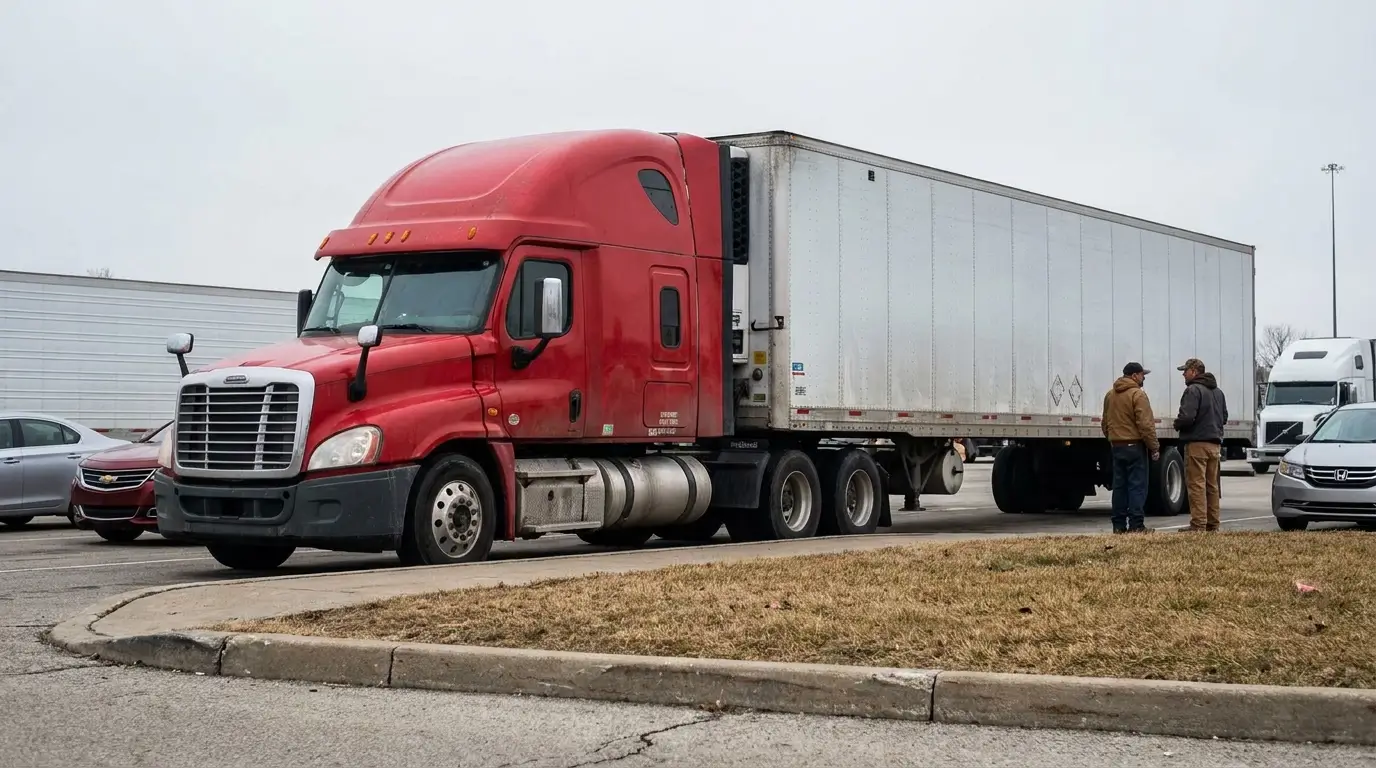
Identifying the Parties You Can Hold Liable After a Dayton Truck Crash
When a commercial truck causes a serious collision in Dayton, Ohio, more than one party may bear legal responsibility for your injuries. Unlike typical car accidents, truck crash cases often involve multiple potentially liable parties, including the truck driver, trucking company, cargo loaders, maintenance providers, and freight brokers. Understanding who can be sued is critical for pursuing full compensation for medical bills, lost wages, and long-term harm. Ohio law allows injured plaintiffs to bring claims against multiple defendants, and when contributory fault is at issue, the court will apportion liability under ORC §§ 2315.32 through 2315.36 and § 2307.22.
If you or a loved one suffered serious injuries in a Dayton truck crash, The Attkisson Law Firm can help you identify every liable party and protect your right to recover. Call 937-400-0000 or reach out online today to discuss your case.
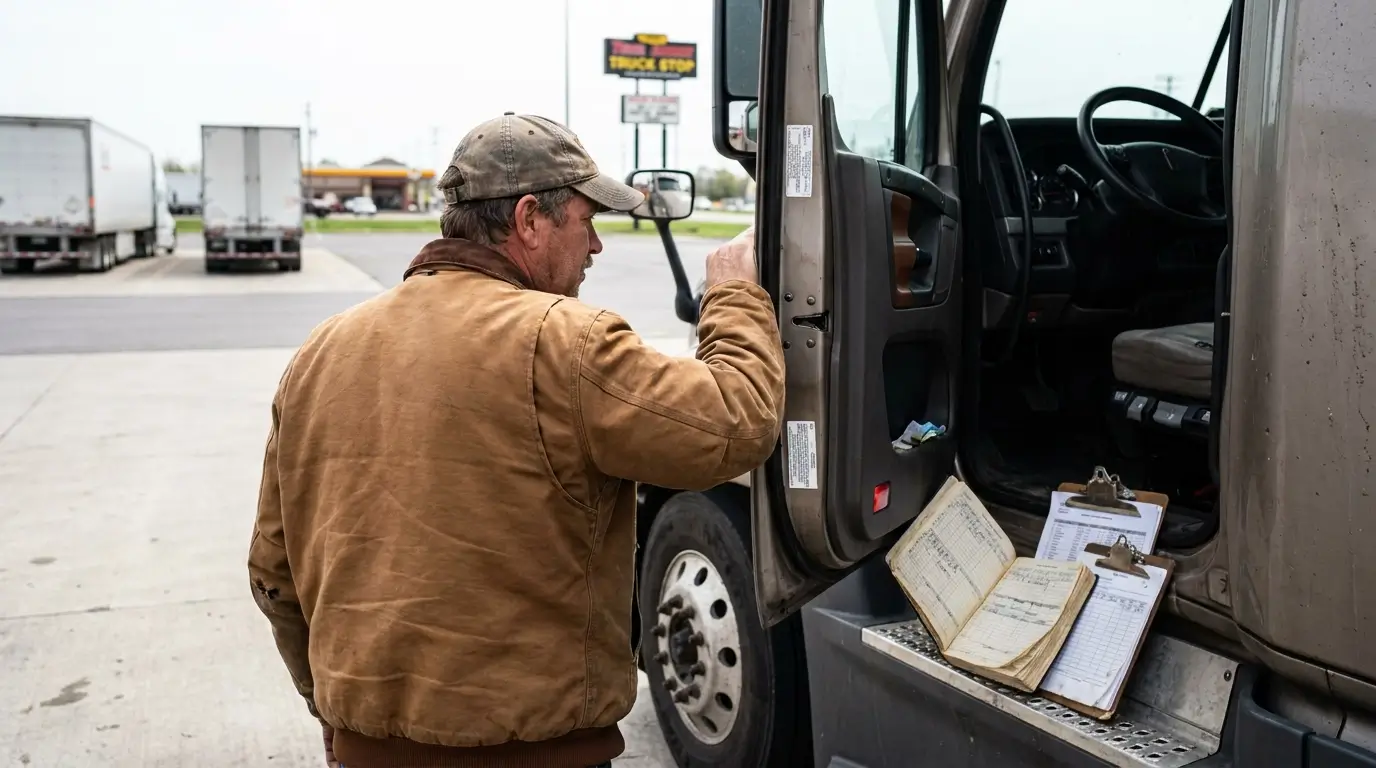
The Truck Driver: Where Truck Driver Negligence in Dayton Cases Begins
In most truck crash claims, the investigation starts with the driver behind the wheel. A truck driver who was speeding, distracted, fatigued, or impaired may be directly liable for the harm caused. Hours-of-service violations, which occur when drivers exceed federally mandated driving limits, are common forms of negligence. Falsified logbooks or electronic logging device records can serve as powerful evidence of fault.
However, suing only the driver often leaves significant compensation on the table. Individual truck drivers typically carry limited personal assets or insurance. That is why experienced attorneys look beyond the driver to the companies and entities that put that driver on the road.
💡 Pro Tip: Request a copy of the police crash report as soon as possible. It often contains the driver’s carrier information, which is essential for identifying additional liable parties.
Trucking Company Liability in Dayton: Holding the Carrier Accountable
The trucking company, also known as the motor carrier, is frequently the most important defendant in a Dayton truck accident case. Under the legal doctrine of respondeat superior, an employer can be held vicariously liable for negligent acts of employees committed within the scope of employment. This means that if the truck driver was on duty, the carrier may share liability for the crash.
Beyond vicarious liability, trucking companies can face direct negligence claims. These claims may arise from failures in hiring, training, supervision, vehicle maintenance, or compliance with federal safety regulations. For example, a company that hires a driver with safety violations, or pressures drivers to skip mandatory rest breaks, may be independently negligent. You can learn more about trucking company liability for a driver’s crash and how Ohio law treats these claims.
💡 Pro Tip: Trucking companies must retain driver qualification files, inspection reports, and dispatch logs. Sending a spoliation letter early in your case can help preserve this evidence before it is lost or destroyed.
Other Potentially Liable Parties in a Multi-Party Truck Accident in Ohio
Cargo Loaders and Shippers
Improperly loaded or unsecured cargo is a known cause of serious truck crashes. If shifting cargo caused the driver to lose control, or an overweight load contributed to brake failure, the company responsible for loading or shipping the freight may share liability. Federal regulations set strict cargo securement standards, and violations can support a negligence claim.
Maintenance and Repair Companies
Third-party maintenance providers owe a duty of care when servicing commercial trucks. Faulty brake repairs, defective tire installations, or missed safety issues during inspections can lead to catastrophic crashes. When a maintenance company’s negligence contributes to a collision, that company may be named as a defendant.
Freight Brokers
Freight broker liability in Ohio has become increasingly important in truck crash litigation. Brokers who arrange transportation of goods may face claims if they hired an unqualified or unsafe carrier. While this area of law continues to develop, courts may consider whether the broker exercised reasonable care in selecting the motor carrier.
Vehicle and Parts Manufacturers
If a mechanical defect caused or contributed to the crash, the manufacturer may be liable under a product liability theory. ORC § 2305.10(A) provides that actions based on product liability claims must be brought within two years after the cause of action accrues. A defective braking system, tire blowout, or steering failure could open the door to claims against parts manufacturers.
💡 Pro Tip: Preserve the vehicles involved in the crash whenever possible. Physical evidence from the truck and its components can be critical for proving product liability or maintenance negligence claims.
How Ohio’s Comparative Fault System Affects Your Truck Accident Attorney in Dayton Strategy
Ohio follows a modified comparative negligence rule under ORC § 2315.33, which directly impacts plaintiff recovery. A plaintiff’s contributory fault does not bar recovery as long as that fault is not greater than the combined tortious conduct of all other persons from whom the plaintiff seeks recovery. If the plaintiff’s fault is 51% or more, recovery is barred entirely.
When a plaintiff is found partially at fault, the court must reduce compensatory damages proportionally. ORC § 2315.33 requires the court to diminish damages by an amount equal to the plaintiff’s percentage of fault. For example, if you suffered $500,000 in damages but were found 20% at fault, your recovery would be reduced to $400,000.
Contributory fault must be raised as an affirmative defense by the defendant under ORC § 2315.32. When contributory fault is established and the plaintiff is entitled to recover from multiple parties, ORC § 2315.36 directs the court to enter judgment imposing liability pursuant to ORC § 2307.22. This apportionment process is essential in multi-party truck crash cases.
| Party | Basis of Potential Liability | Common Evidence |
|---|---|---|
| Truck Driver | Direct negligence (speeding, fatigue, impairment) | Logbooks, toxicology reports, dash cam footage |
| Trucking Company | Vicarious liability, negligent hiring/training/maintenance | Employment records, inspection reports, safety audits |
| Cargo Loader/Shipper | Improper loading or securement | Weight tickets, loading manifests, federal securement standards |
| Maintenance Provider | Negligent repair or inspection | Service records, parts receipts, recall notices |
| Freight Broker | Negligent carrier selection | Broker-carrier agreements, carrier safety ratings |
| Parts Manufacturer | Defective truck component | Engineering analysis, recall data, product testing records |
💡 Pro Tip: Insurance companies for trucking defendants often deploy rapid-response teams to the crash scene within hours. Having legal representation early helps ensure your evidence is preserved and protected.
Ohio’s Statute of Limitations: Time Limits for Filing a Truck Crash Claim in Dayton
You generally have two years from the date of the crash to file a personal injury lawsuit in Ohio. Under ORC § 2305.10(A), an action for bodily injury must be brought within two years after the cause of action accrues. This same two-year window applies to product liability claims arising from defective truck parts. As the Cleveland Law Library notes, failure to start a case on time generally bars a court from hearing it.
Limited exceptions to the statute of limitations may apply, but courts interpret these narrowly. Tolling provisions or delayed discovery rules do not automatically extend your filing deadline. If you believe your situation may involve unusual timing circumstances, consult an attorney promptly.
💡 Pro Tip: Do not wait until the deadline approaches. Critical evidence such as electronic logging data, surveillance footage, and vehicle condition reports can be lost or overwritten within weeks or months.
Punitive Damages and Maximum Recovery in a Dayton Ohio Truck Accident
In cases involving particularly egregious conduct, Ohio law may allow punitive or exemplary damages. Under ORC § 2315.21, punitive damages may be available when a defendant’s behavior goes beyond ordinary negligence, such as drunk driving, intentional falsification of safety logs, or knowing violations of federal trucking regulations.
Ohio also imposes caps on noneconomic damages in tort actions under ORC § 2315.18. It is important to build a comprehensive damages case that accounts for both economic losses (medical expenses, lost income, future care needs) and noneconomic losses (pain, suffering, and diminished quality of life). A Dayton truck crash lawyer with experience handling these claims can help you understand how these rules apply to your specific situation.
Frequently Asked Questions
1. Can I sue both the truck driver and the trucking company after a crash in Dayton?
Yes, you can bring claims against both the driver and the carrier. The trucking company may be vicariously liable for the driver’s negligence and may face direct claims for failures in hiring, training, or maintenance. ORC § 2315.36 directs the court to enter judgment apportioning liability pursuant to ORC § 2307.22 when you are entitled to recover from multiple parties.
2. What happens if I was partially at fault for the truck accident?
Under Ohio’s modified comparative negligence rule in ORC § 2315.33, you may still recover damages as long as your fault is not greater than the combined tortious conduct of all other parties. Your damages will be reduced proportionally by your percentage of fault. If you are 51% or more at fault, your claim is barred.
3. How long do I have to file a truck accident lawsuit in Dayton, Ohio?
Ohio law under ORC § 2305.10(A) generally requires that a bodily injury lawsuit be filed within two years after the cause of action accrues. This deadline also applies to product liability claims. Courts interpret exceptions narrowly, so acting promptly is important.
4. Can a freight broker be held liable for a truck crash in Ohio?
Under certain circumstances, a freight broker may face liability if it failed to exercise reasonable care in selecting a motor carrier. This is a developing area of law, and outcomes depend on specific facts, including what the broker knew or should have known about the carrier’s safety record.
5. Are punitive damages available in Ohio truck accident cases?
ORC § 2315.21 permits punitive or exemplary damages where the defendant’s conduct was especially reckless or egregious. In truck crash cases, this could include impaired driving, intentional log falsification, or knowing disregard of safety regulations. These damages are subject to statutory requirements and are not available in every case.
Protecting Your Right to Full Compensation After a Dayton Truck Crash
Truck accident cases in Dayton involve layers of potential liability that most car accident claims do not have. From the driver and trucking company to cargo loaders, maintenance providers, freight brokers, and parts manufacturers, multiple parties may share responsibility for your injuries. Ohio’s comparative fault system, strict filing deadlines, and damages rules all shape how your case will proceed.
The Attkisson Law Firm is ready to help you navigate the complexities of a multi-party truck accident claim in Dayton. Call 937-400-0000 or contact us today to schedule a consultation and take the first step toward holding every responsible party accountable.