Understanding Fault and Recovery After an Uninsured Driver Collision in Dayton
Key Takeaways: When an uninsured motorist causes a serious crash in Dayton, liability can extend beyond the at-fault driver to include your own uninsured motorist coverage, other negligent motorists, negligent vehicle owners, and entities responsible for hazardous road conditions. Ohio’s modified comparative negligence rule under Ohio Revised Code § 2315.33 allows recovery if your fault is not greater than the combined fault of others, though damages are reduced by your percentage of responsibility. The defendant or insurer bears the burden of proving contributory fault as an affirmative defense. When the at-fault driver has no insurance, your own uninsured motorist coverage often becomes the most reliable path to compensation. Ohio requires most injury lawsuits to be filed within two years of the crash, with only narrow tolling exceptions. Acting early and preserving evidence helps protect your right to fair compensation.
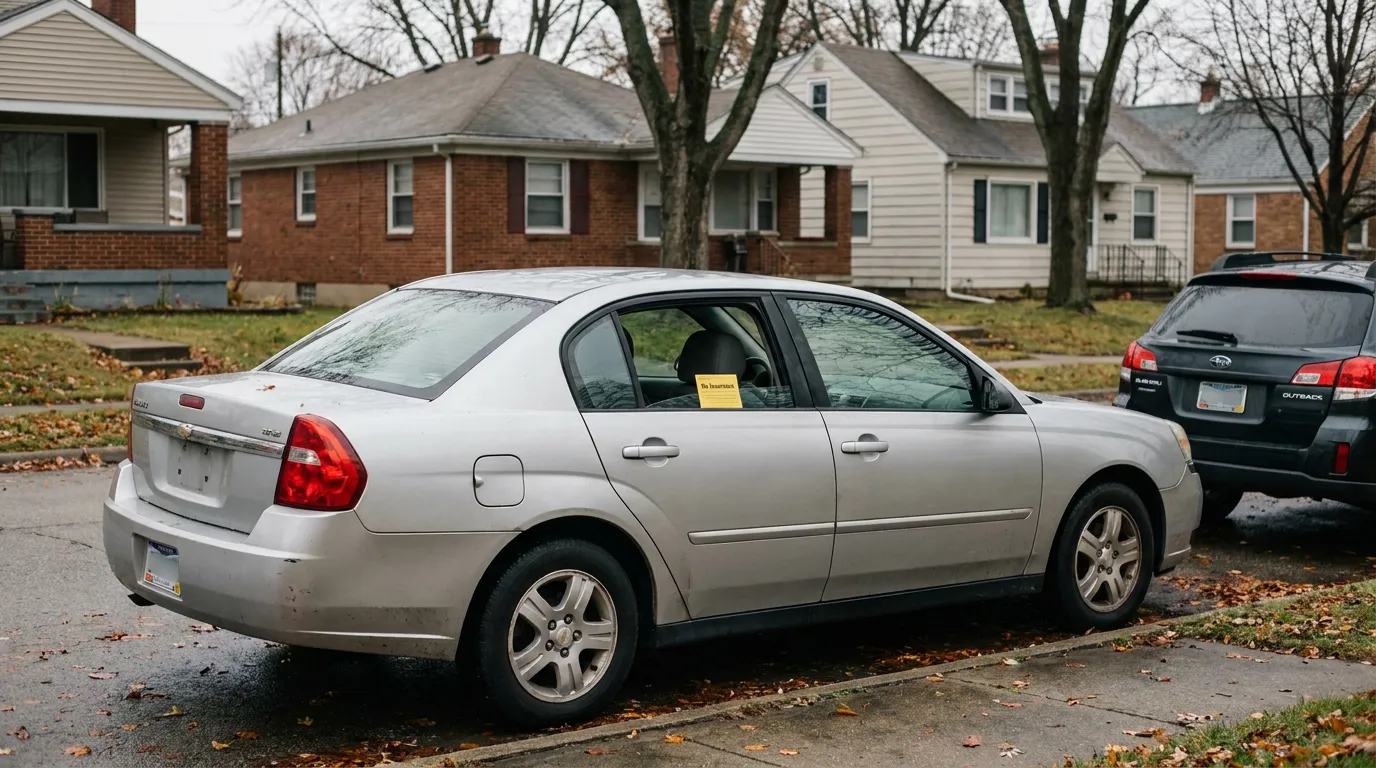
When an uninsured motorist causes a serious crash in Dayton, liability can extend well beyond the at-fault driver alone. Injured victims often assume the uninsured driver is the only responsible party, but Ohio law allows recovery from several potential sources, including your own uninsured motorist coverage, other negligent parties, and, in limited circumstances, third parties whose conduct contributed. Determining who is liable depends on the facts, applicable statutes, and how fault is apportioned among everyone involved.
If you or a loved one suffered a severe injury in a Dayton uninsured motorist crash, guidance from a knowledgeable car accident attorney Dayton, Ohio can help you understand your options. The Attkisson Law Firm is available at 937-400-0000, and you can learn more about the firm’s approach by visiting The Attkisson Law Firm. Reaching out early helps protect your rights before critical deadlines pass.
Who May Be Held Responsible When an Uninsured Driver Hits You
Liability in an uninsured motorist collision frequently involves more than one party. While the uninsured driver bears primary responsibility for negligent conduct such as speeding, distracted driving, or failing to yield, other parties may share the blame. Ohio law recognizes that responsibility can be divided, and identifying every potentially liable party is essential to pursuing full compensation.
Potentially responsible parties in a Dayton uninsured motorist crash may include:
- The uninsured or underinsured at-fault driver whose negligence caused the collision
- Your own insurer, through uninsured motorist coverage, subject to policy terms
- Another motorist who contributed to the chain of events leading to the crash
- A vehicle owner who negligently entrusted a vehicle to an unfit driver
- An entity responsible for hazardous road conditions, in limited circumstances
Because each party may bear a share of fault, the analysis is highly fact-dependent. When a plaintiff is entitled to recover from multiple parties, Ohio Revised Code § 2315.36 provides that the court enters judgment imposing liability pursuant to section 2307.22, which governs how at-fault parties share responsibility.
How Ohio’s Comparative Fault Rules Shape Your Recovery
Ohio follows a modified comparative negligence rule that directly affects recovery amounts. Under Ohio Revised Code § 2315.33, contributory fault does not bar recovery so long as the plaintiff’s fault is not greater than the combined tortious conduct of all other persons. A claimant who is more than 50 percent at fault generally recovers nothing, making accurate apportionment critically important.
Even when a victim can recover, the amount may be reduced. The statute provides that a court shall diminish any compensatory damages by an amount proportionately equal to the plaintiff’s percentage of tortious conduct. You can review the full text in the Ohio comparative fault statute. This means your percentage of responsibility can lower your payout even in a Dayton uninsured motorist scenario.
Fault is not simply presumed against a defendant. Under Ohio Revised Code § 2315.32(B), contributory fault may be asserted as an affirmative defense to a tort claim, except for intentional torts. Because it must be pleaded and proven, the burden falls on the defendant or uninsured motorist insurer to establish partial responsibility.
💡 Pro Tip: Preserve every piece of evidence after a crash, including photos, witness contact information, and medical records. Because insurers may argue you share fault, documentation can be decisive in limiting how much blame is shifted onto you.
Why Uninsured Motorist Coverage Often Becomes the Key Source of Recovery
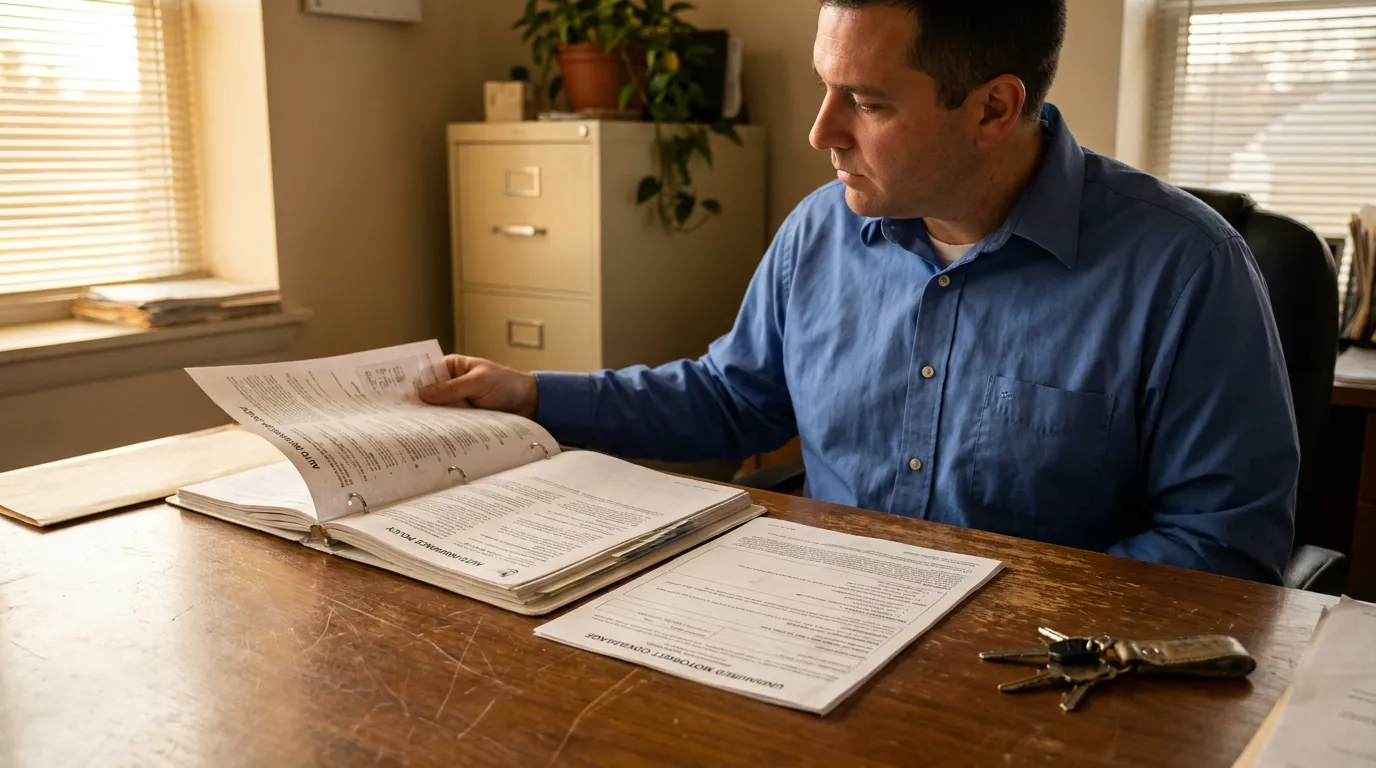
When the at-fault driver carries no insurance, your own uninsured motorist coverage frequently becomes the most reliable path to compensation. Ohio uninsured motorist coverage is optional under Ohio Revised Code Section 3937.18, and applies only if you affirmatively purchased it as part of your policy. Recovery is governed by your policy language and applicable law.
Pursuing an uninsured driver claim in Dayton often means negotiating against your own insurer. The insurer evaluating your claim has a financial incentive to minimize the payout and may raise the same comparative fault defenses that any defendant could assert. Understanding this dynamic helps injured victims avoid accepting settlements that undervalue serious injuries. To understand the practical steps involved, review what typically happens when an uninsured driver hits you in Dayton.
Coordinating multiple sources of recovery can be complex. An injured person may pursue the at-fault driver personally while also seeking uninsured motorist benefits, and the interplay between these claims requires careful attention. Because the framework for allocating responsibility appears across Ohio Revised Code § 2315.32 through § 2315.36, understanding these provisions is central to any Montgomery County accident claim.
Deadlines That Can Make or Break a Dayton Uninsured Motorist Claim
Ohio sets a firm two-year deadline for filing most car crash injury lawsuits, and missing it can permanently bar recovery. Under Ohio Revised Code § 2305.10(A), an action for bodily injury shall be brought within two years after the cause of action accrues. For most crash victims, the clock starts on the accident date, although a claim founded on the insurance contract, such as an uninsured motorist claim, may be governed by different limitation periods.
Certain narrow exceptions may pause or extend the deadline, but courts interpret these provisions strictly. Ohio Revised Code § 2305.16 provides that when a person entitled to bring an action is, at the time the cause accrues, a minor or of unsound mind, they may bring the action within the limited time after that disability is removed. Separately, Ohio Revised Code § 2305.15(A) provides that the limitation period may not run while a defendant is out of state, has absconded, or conceals themselves. These tolling rules apply in limited circumstances and should never be assumed.
A claim does not necessarily end if a party dies. Under Ohio Revised Code § 2305.21, causes of action for injuries survive and may be brought notwithstanding the death of the person entitled or liable. You can review general background through the Cuyahoga County law library’s limitations overview, though the applicable statute always controls. Because deadlines are fact-sensitive, confirming your specific timeline early is prudent.
How a Car Accident Attorney Dayton, Ohio Can Help Establish Liability
Building a strong liability case requires proving negligence and countering efforts to shift blame. A plaintiff must establish duty, breach, causation, and damages, each depending on available evidence. A seasoned Dayton injury attorney can investigate the crash, identify all potentially liable parties, and present a clear picture of what happened.
Insurers frequently rely on comparative fault arguments to reduce or deny valid claims. Because the defense bears the burden of proving contributory fault, thorough preparation can protect the value of your claim. Legal guidance is especially valuable when your own uninsured motorist insurer treats your claim adversarially. Those researching their rights may find the firm’s Ohio auto accident law resources helpful for additional context.
Every case turns on its own facts, and no outcome can be guaranteed. A trusted Dayton car crash lawyer can explain how the comparative negligence rules, filing deadlines, and coverage provisions may apply to your situation. Working with a car accident attorney Dayton, Ohio residents rely on helps ensure critical steps are not overlooked.
Frequently Asked Questions
1. Can I still recover if I was partly at fault for the crash?
In many cases, yes, but your recovery may be reduced. Under Ohio Revised Code § 2315.33, you may recover as long as your fault is not greater than the combined fault of all other parties, though your damages are diminished by your percentage of responsibility.
2. Who pays if the at-fault driver has no insurance?
Your own uninsured motorist coverage often becomes the primary source of recovery, if you carry it. Recovery depends on your policy terms and applicable Ohio law, and other negligent parties may also share liability.
3. How long do I have to file a lawsuit after a Dayton crash?
Ohio generally allows two years from the date the injury occurs. Ohio Revised Code § 2305.10(A) sets this deadline for bodily injury claims, though limited tolling exceptions may apply.
4. Does a claim end if the at-fault driver dies?
Not necessarily. Ohio Revised Code § 2305.21 provides that injury claims survive and may proceed notwithstanding the death of the person entitled or liable.
5. Who has to prove I was partially responsible?
The defendant or insurer carries that burden. Ohio Revised Code § 2315.32(B) treats contributory fault as an affirmative defense that must be raised and proven.
Protecting Your Right to Fair Compensation After a Dayton Crash
Liability in a Dayton uninsured motorist crash can involve the at-fault driver, your own insurer, and other negligent parties, all analyzed through Ohio’s comparative fault framework. Because recovery depends on apportioning blame, meeting the two-year filing deadline, and understanding your coverage, early decisions can significantly affect the outcome. Ohio’s statutes provide a structured but fact-sensitive path, and outcomes depend on the specific circumstances of each collision.
If you have questions about who may be liable after an uninsured driver injured you, the team at The Attkisson Law Firm is ready to help you understand your options. Call 937-400-0000 or reach out through the firm’s contact page to discuss your situation and take the next step toward protecting your rights.