
Why the First Ten Days After a Dog Bite Matter More Than You Think
Key Takeaways: Ohio’s rabies rules generally require a dog that bites a person to be confined and observed for ten days, a window based on how quickly an infectious animal shows symptoms. For Dayton victims, that quarantine often creates an official, third-party record identifying the dog, its owner, its vaccination history, and the circumstances of the attack. That record can become useful evidence in a civil claim and may reveal prior complaints or run-at-large history an owner later denies. The quarantine itself decides nothing about who pays; liability is a separate track governed by Ohio Revised Code § 955.28(B) and common-law negligence, and can extend to a keeper or harborer, not just the registered owner. Ohio generally applies a two-year statute of limitations to bodily injury claims under Ohio Revised Code § 2305.10, with narrow exceptions such as tolling for minors under Ohio Revised Code § 2305.16. Reporting promptly, seeking medical care first, requesting quarantine records in writing, and building your own evidence file may put you in a stronger position.
If a dog bit you or your child in Dayton, a clock starts almost immediately. Ohio’s rabies quarantine rules generally require that a dog, cat, or ferret that bites a person be confined and observed for ten days so officials can assess whether it showed signs of rabies. For victims, that confinement often does more than answer a medical question, it generally creates an official record of the animal, its owner, and the incident, which can become part of a civil injury claim.
If you’re navigating medical treatment and quarantine paperwork at the same time, you don’t have to sort it out alone. The Attkisson Law Firm helps Dayton-area bite victims preserve evidence while it still exists. Call 937-400-0000 or request a free case review to discuss your options.
How the Ohio Dog Bite Quarantine Period Actually Works
The ten-day confinement rule exists because of biology, not paperwork. National public health guidance reflects the understanding that a dog shedding rabies virus in its saliva at the moment of a bite will generally show neurological signs or die within roughly ten days. Ohio’s health rules and local health districts incorporate that observation window, standardizing the period rather than leaving it to case-by-case discretion.
That foundation matters when someone questions the rule. The CDC rabies control compendium describes the confinement and observation protocol that states have adopted. It’s guidance rather than binding federal law, so the specific agency handling a Montgomery County dog quarantine and the confinement location may vary by where the bite occurred and the animal’s vaccination history.
Who Handles Confinement and Where
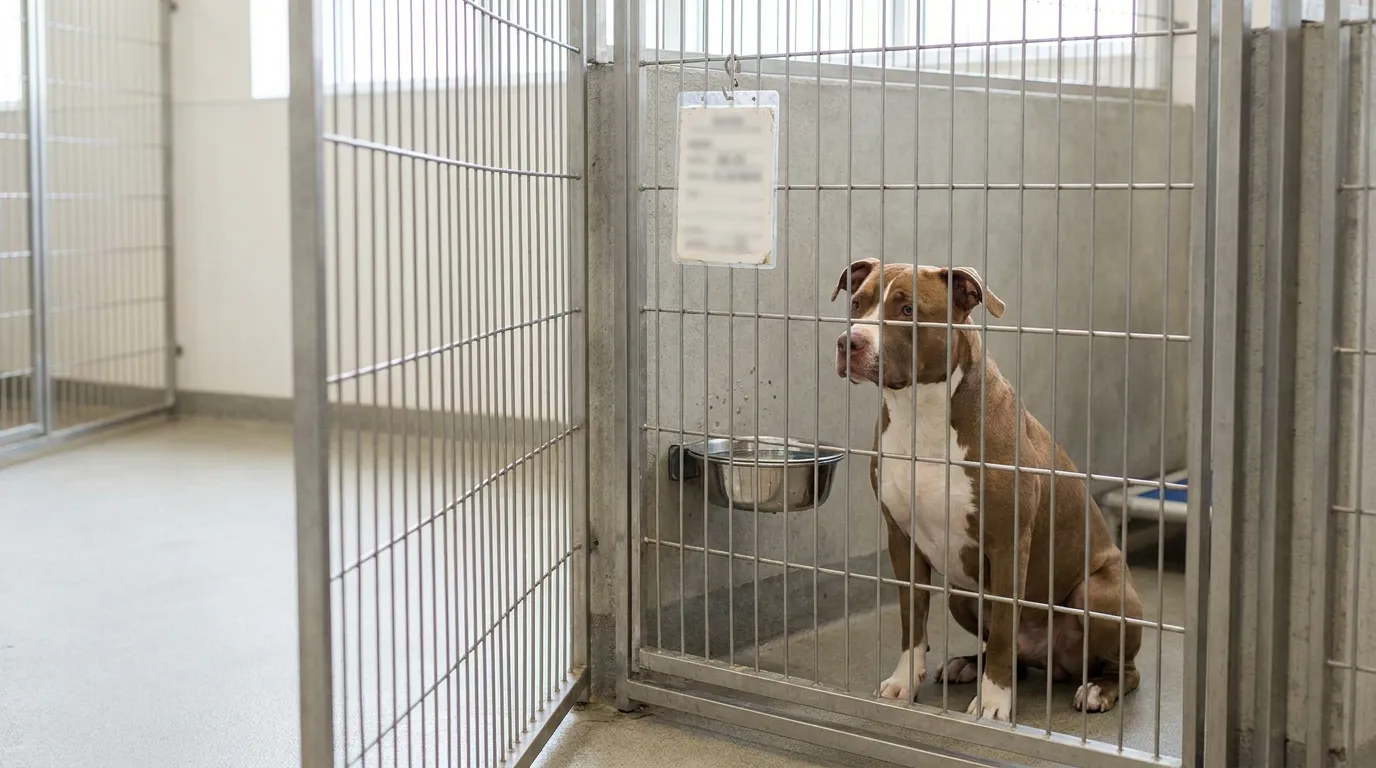
The dog is usually confined at the owner’s home, a vet facility, or an animal control facility. Officials generally weigh the animal’s vaccination status, attack severity, and whether the owner can reliably secure the dog. Without proof of vaccination or with a history of running loose, officials may require off-site confinement.
Victims usually have no direct control over where the animal goes. Enforcing the observation period is the local health district’s and animal control’s job, not yours. Your role is generally to report the bite promptly and document everything you receive.
What the Quarantine Does Not Decide
A completed quarantine may tell you whether rabies was a risk, it does not decide who pays for your injuries. The quarantine is generally an administrative public health function, separate from any civil lawsuit. A dog can clear its ten-day observation with a clean bill of health while its owner remains responsible for medical bills, lost wages, and pain and suffering.
Confusing these two tracks can cost victims real money. Some assume that because animal control "handled it," the matter is closed. Under Ohio law, a civil claim is generally a distinct proceeding with its own deadlines, burden of proof, and remedies.
The Legal Backbone of a Dayton Dog Bite Claim
Ohio Revised Code § 955.28(B) imposes liability on the owner, keeper, or harborer of a dog for injury it causes, subject to defined exceptions. Those exceptions generally apply where the injured person was trespassing, committing a criminal offense beyond a minor misdemeanor on the owner’s property, or teasing, tormenting, or abusing the dog there. Because the statute doesn’t require proof the owner knew the dog was dangerous, it’s often described as strict liability, though its application still depends on the facts, and the defendant generally bears the burden of proving an exception.
Victims aren’t necessarily limited to the statute. Ohio also preserves a separate common-law negligence claim, and the Supreme Court of Ohio has addressed the relationship between statutory and common-law theories in decisions that apply statewide, including Montgomery County. Pursuing both theories can matter where punitive damages or an owner’s prior knowledge of aggression are in play, since punitive damages are generally unavailable on the statutory claim alone, though availability of each theory is fact-dependent.
Owner, Keeper, or Harborer
The statute may reach more than the person whose name is on the license. Ohio courts have generally described a "keeper" as someone with physical care or control of the dog. As of the Ohio Supreme Court’s June 17, 2026 ruling in L.H. v. Sun Secured Financing, LLC, a "harborer" is now defined as someone who actively shelters, protects, or exercises control over the dog — the prior standard of merely possessing and controlling the premises where the dog lives and silently acquiescing to its presence is no longer sufficient under Ohio law. That distinction can sometimes support claims against a landlord who retains control of common areas, a roommate, or another occupant when the registered owner has no insurance, though landlords aren’t automatically liable simply because a tenant keeps a dog.
| Track | Purpose | Who Runs It | Effect on Your Claim |
|---|---|---|---|
| 10-day quarantine | Rule out rabies transmission | Local health district / animal control | Creates official records and identifies the dog and owner |
| Animal control investigation | Assess dangerous or vicious designation | County dog warden | May document prior incidents relevant to negligence |
| Civil injury claim | Recover damages | You and your attorney | Governed by Ohio Revised Code § 955.28(B) and common law |
Turning Quarantine Records Into Evidence
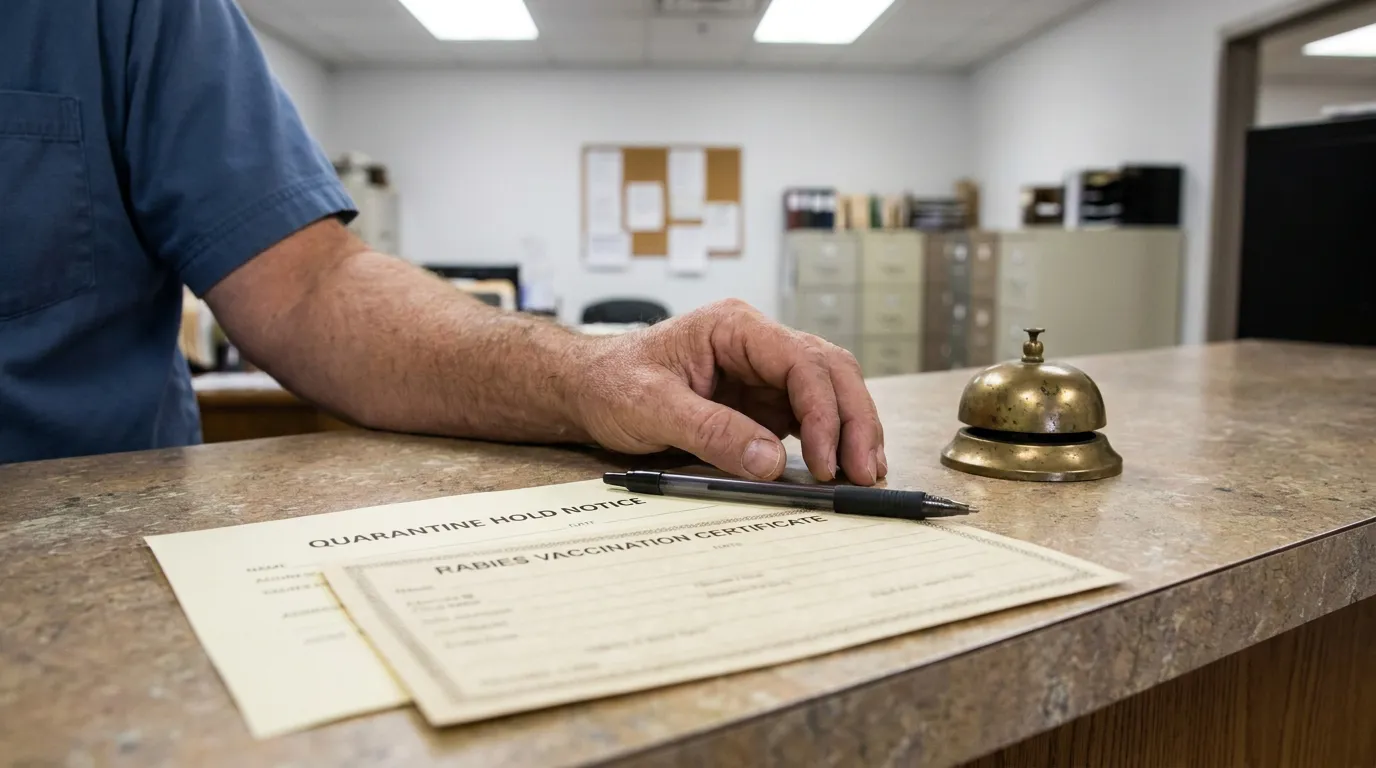
The quarantine file is often the only contemporaneous, third-party account of the attack. It typically identifies the dog, its owner, the address where it was kept, vaccination history, and the date and circumstances of the bite. Insurance carriers often take these records seriously because a neutral agency created them, though such records aren’t automatically admissible and their weight is ultimately for the court or jury.
Records may also expose what owners later deny. Prior complaints, a prior bite, or a running-at-large history may surface through the same agency channels, typically through a public records request. Understanding why Ohio’s 10-day dog quarantine rule strengthens your Dayton bite case helps explain why early reporting can be valuable, though availability of any particular record will vary.
💡 Pro Tip: Request a copy of the bite report and quarantine documentation in writing, and keep the request itself. Agency retention schedules are finite, and showing you asked early can matter later.
Evidence to Preserve on Your Own
Public records are only part of the picture. Build your own file alongside the official one:
- Photographs of the wounds before, during, and after treatment, at regular intervals
- The torn or bloodied clothing you were wearing, unwashed and bagged
- Names and contact information for every witness, including bystanders who saw the dog beforehand
- All medical records, discharge instructions, and rabies or tetanus prophylaxis documentation
- A dated journal describing pain levels, sleep disruption, anxiety, and missed work or school
What Victims Should Do in the First 48 Hours
Medical care comes before everything else, including legal strategy. Dog bites carry significant infection risk, and puncture wounds that look minor can seed deep tissue infections. Parents may want to review guidance on dog bite first aid for Ohio children, since children are more often bitten on the face, head, and neck, where scarring can be most severe.
Report the bite to the local health district or dog warden promptly. Reporting is generally what triggers the quarantine, and an unreported bite may mean the animal is never identified. Get the owner’s name, address, phone number, and insurance information if you can do so safely.
💡 Pro Tip: Decline to give a recorded statement to the dog owner’s insurer before you understand the full scope of your injuries. Early statements about "feeling fine" have a way of resurfacing after a wound develops complications.
Deadlines That Can End a Claim Before It Starts
Ohio generally applies a two-year statute of limitations to bodily injury actions under Ohio Revised Code § 2305.10. Claims brought under Ohio’s strict liability dog bite statute, Ohio Revised Code § 955.28(B), are generally subject to a six-year statute of limitations, while negligence-based dog bite claims follow the two-year personal injury deadline under Ohio Revised Code § 2305.10. The applicable period can depend on how the claim is pleaded and against whom.
Exceptions exist, but courts often interpret them narrowly. Ohio Revised Code § 2305.16 may toll the limitations period while a person is a minor, so it generally begins running when the person reaches majority; discovery-based extensions may apply only in limited situations. If a political subdivision or public employee is involved, different immunity rules and a shorter limitations period may apply, and related notice requirements are strictly enforced.
Waiting is a common and often preventable mistake. Evidence degrades, witnesses move, and quarantine records age out of active systems. A Dayton dog bite lawyer can help identify which deadline may govern your situation before any of them run.
Frequently Asked Questions
1. Does the dog have to be euthanized for rabies testing?
Generally, no. When a dog can be confined, the ten-day observation period is typically used so it doesn’t need testing, since rabies testing requires examining brain tissue. Testing becomes relevant when the animal dies, shows symptoms, or can’t be located.
2. What happens if the dog’s owner refuses to cooperate with quarantine?
Local officials generally have authority to compel confinement, and refusal may result in citations or seizure of the animal. From a civil standpoint, noncooperation may also be relevant evidence, though its admissibility and weight depend on the facts.
3. Can I still recover damages if the dog was fully vaccinated?
Potentially, in many cases. Vaccination status generally addresses rabies risk only. Liability under Ohio Revised Code § 955.28(B) generally turns on ownership, keeping, or harboring and the statutory exceptions, not on whether shots were current.
4. My child was bitten by a friend’s or relative’s dog. Do I have to sue them personally?
Not necessarily. Claims like this are frequently resolved through the dog owner’s homeowner’s or renter’s liability coverage rather than personal assets, though coverage terms, exclusions such as breed or resident-relative exclusions, and policy limits vary considerably.
5. What if I did not report the bite right away?
You may still have a claim. A delayed report can complicate proof of causation and weaken the evidentiary record, but it doesn’t by itself bar recovery within the limitations period. Documenting what you can now, including medical records and witness accounts, may still be worthwhile.
Protecting Your Rights While the Clock Runs
The ten-day confinement rule is a public health measure first, but for injured people in Dayton it can function as an evidence-preservation window that closes quickly. Understanding Ohio’s dog bite quarantine rules, reporting promptly, gathering your own documentation, and recognizing that the administrative process is separate from your civil claim may put you in a stronger position. Every case turns on its own facts, and no article can tell you how yours will resolve.
If you are ready to understand your dog bite victim rights in Dayton, The Attkisson Law Firm is prepared to review what happened and explain your options in plain language. Call 937-400-0000 or schedule your consultation today.
Disclaimer: This content is for informational purposes only and is not legal advice. Every case is unique, and results may vary. Consult an attorney about your specific circumstances.