
When Lingering Burning Pain After a Crash Signals Something More Serious
Key Takeaways: Complex regional pain syndrome (CRPS), once called reflex sympathetic dystrophy, is a chronic condition that can follow a Dayton car crash and causes burning pain disproportionate to the original injury, along with swelling, skin color and temperature changes, and motor or trophic changes in the affected limb. Clinicians divide it into CRPS-I, without a confirmed nerve injury, and CRPS-II, following an identifiable nerve lesion, and that distinction can affect how causation is proven. Fractures, crush injuries, surgery, or prolonged immobilization can trigger the cascade, with peripheral and central sensitization explaining why pain may persist after the original injury heals. Diagnosis is largely clinical, often using the Budapest criteria, so early evaluation and consistent documentation can matter for both health and any claim. In Ohio, these cases often turn on causation, with noneconomic damages potentially subject to the caps in R.C. § 2315.18, recovery potentially reduced or barred by comparative fault under R.C. § 2315.33, and most bodily injury suits subject to the two-year deadline in R.C. § 2305.10. Careful medical records, a symptom journal, and early legal guidance may help counter insurer arguments that the pain is exaggerated or unrelated.
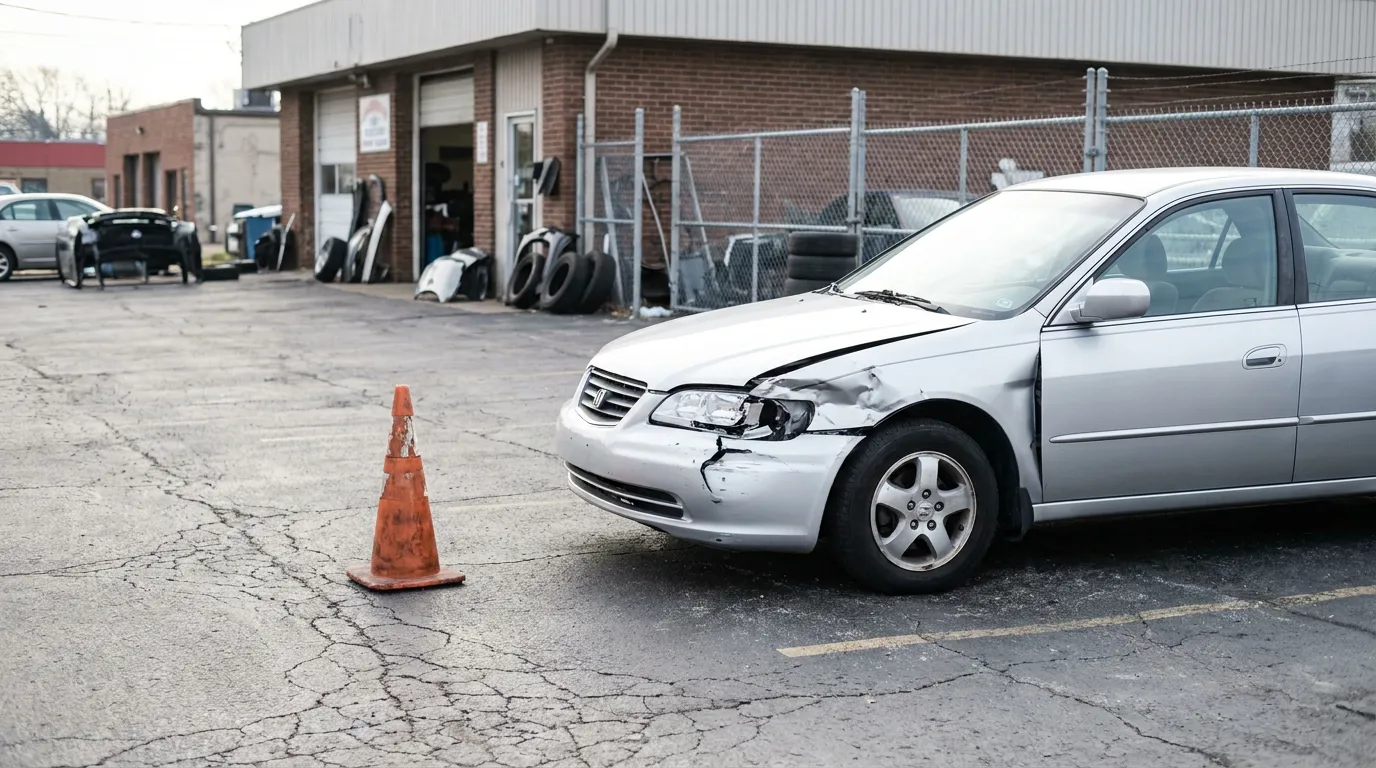
Complex regional pain syndrome is a chronic pain condition that can develop after trauma, including a limb injury sustained in a motor vehicle collision, and is generally defined by pain disproportionate to the original injury. Instead of fading as bones knit and wounds close, the pain may intensify. Victims often describe burning or electric sensations, along with swelling, skin temperature changes, and altered skin color in the affected limb. For Dayton crash victims, this can transform what appeared to be a moderate injury into a lifelong medical and financial burden.
If you are living with unexplained chronic nerve pain after a car accident, the team at The Attkisson Law Firm is prepared to listen. Call 937-400-0000 or reach out to our Dayton team today to discuss what happened and what options may be available to you.
A Practical CRPS Definition for Dayton Crash Victims
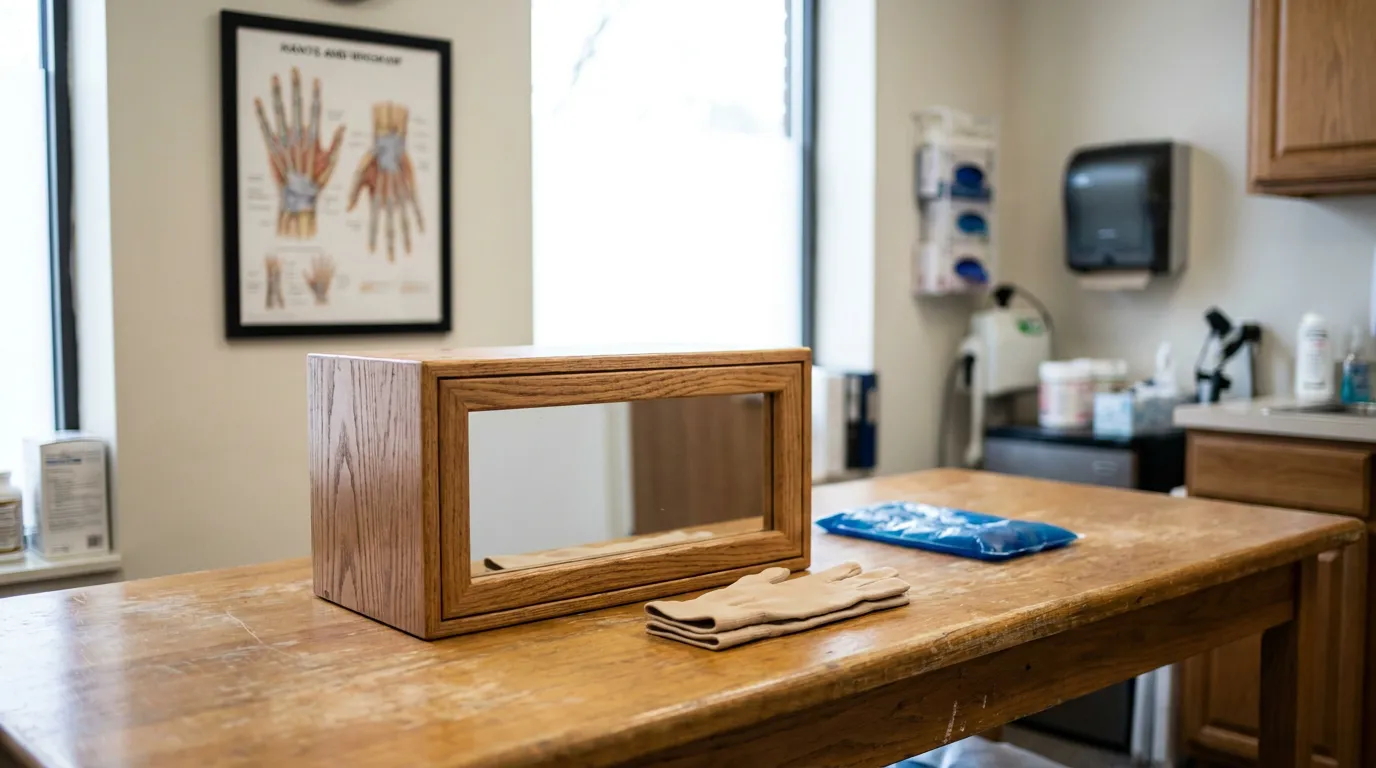
Complex regional pain syndrome, historically called reflex sympathetic dystrophy, generally involves a combination of sensory, autonomic, motor, and trophic changes following a noxious event such as a crash. This multisystem symptomatology forms the basis for clinical diagnosis and may also affect sweating, circulation, hair and nail growth, muscle control, and skin texture in the involved limb.
The name changed over the years, but many Ohio patients and older medical records still use the term reflex sympathetic dystrophy to describe the same underlying disorder. This overlap matters when gathering records to support a claim, because an insurer may argue that inconsistent terminology reflects an inconsistent diagnosis.
CRPS-I and CRPS-II: Why the Distinction Matters
Clinicians generally classify the condition into two types based on whether nerve injury is confirmed. CRPS-I develops without a confirmed nerve injury, while CRPS-II typically follows an identifiable nerve lesion. Peer-reviewed reviews addressing CRPS diagnostic subtypes discuss this division in detail.
This distinction can carry practical weight in a claim. Documented Dayton car crash nerve damage, such as a brachial plexus or peroneal nerve injury supported by imaging or electrodiagnostic testing, may make causation easier to demonstrate, though neither subtype is legally favored and both can support a claim when the medical proof is sound. When no nerve lesion appears on testing, the diagnosis may rest more heavily on clinical criteria and the treating physician’s judgment, and defense arguments may focus there.
| Feature | CRPS-I | CRPS-II |
|---|---|---|
| Confirmed nerve injury | Absent | Present |
| Common crash origin | Fracture, sprain, crush, immobilization | Direct nerve trauma or laceration |
| Diagnostic emphasis | Clinical criteria and exclusion of alternatives | Clinical criteria plus objective nerve findings |
| Typical evidentiary challenge | Insurer may dispute objective proof | Insurer may dispute severity or duration |
Why a Car Accident Can Trigger Complex Regional Pain Syndrome
CRPS is frequently triggered by traumatic injury, which is why a collision can serve as a precipitating cause. A fracture, crush injury, surgical repair, or even prolonged immobilization in a cast can start the cascade. The severity of the initial trauma does not reliably predict whether the syndrome develops.
The underlying mechanisms may involve both the peripheral and central nervous systems. Published research on peripheral and central sensitization describes neurogenic inflammation and maladaptive neuroplasticity as contributing processes, which may explain why pain can persist long after a fracture from a crash on I-75 or Woodman Drive has fully healed.
💡 Pro Tip: Ask your treating physician to note in the chart the date your symptoms began relative to the collision. A clear timeline in contemporaneous medical records can be more persuasive than testimony reconstructed months later.
Recognizing CRPS Symptoms After a Collision
Symptoms generally appear in the injured limb within weeks of the trauma and may spread or fluctuate over time. No single finding confirms the diagnosis; physicians typically apply recognized clinical criteria, often called the Budapest criteria, weighing reported symptoms against signs observed on examination.
Common features reported in the medical literature include:
- Continuous burning, throbbing, or stabbing pain out of proportion to the injury
- Heightened sensitivity to light touch, pressure, or temperature change
- Visible swelling and shifting skin color in the affected limb
- Temperature differences between the injured limb and the opposite side
- Changes in hair, nail, or skin texture, plus stiffness, tremor, or weakness
Symptoms often vary day to day, which can frustrate patients and invite skepticism from adjusters. Keeping a dated symptom journal, supported by photographs of visible color and swelling changes, may help corroborate what the records describe.
Why Early Medical Evaluation Is Critical
Medical literature emphasizes early recognition and multidisciplinary treatment as important to improving prognosis. Treatment commonly combines physical therapy, pain management, and sometimes sympathetic nerve blocks. Delay may allow the condition to progress and create a documentation gap that insurers frequently exploit.
If your pain does not follow the expected recovery curve, request a referral rather than waiting. Prompt evaluation serves your health first and your potential Ohio chronic pain injury claim second.
Proving a Complex Regional Pain Syndrome After Car Accident Claim in Ohio
An Ohio negligence claim generally requires proof of duty, breach, causation, and damages, and CRPS cases often turn on causation. Establishing that another motorist breached a duty of reasonable care may be more straightforward when a police report documents a rear-end impact, failure to yield, or impaired driving, although a police report is not itself conclusive proof of fault and may not be admissible in its entirety. Connecting that breach to a chronic pain diagnosis lacking a single definitive test is generally the harder task.
Causation proof typically relies on expert medical opinion, usually from treating physicians, expressed to a reasonable degree of medical probability, together with consistent clinical documentation and the temporal relationship between the crash and symptom onset. Courts may consider whether alternative explanations were ruled out. Outcomes depend heavily on the specific facts and the quality of the medical record.
Damages Ohio Law May Allow
Under Ohio law, recoverable damages may generally include economic losses such as medical expenses and lost earnings, along with noneconomic damages for pain and suffering. Ohio Revised Code § 2315.18 caps noneconomic damages in most tort actions at the greater of $250,000 or three times economic loss, subject to per-plaintiff and per-occurrence ceilings, and does not cap economic damages. The statute exempts noneconomic damages for permanent and substantial physical deformity, loss of use of a limb or loss of a bodily organ system, or permanent physical functional injury that permanently prevents the injured person from being able to independently care for self and perform life-sustaining activities. Whether such an exception applies is fact-dependent and often contested, and courts have reached differing results in chronic pain cases.
Ohio Revised Code § 2315.33 also generally reduces recovery in proportion to a plaintiff’s own fault and bars recovery entirely if that fault exceeds the combined fault of all other parties from whom recovery is sought. Because CRPS can impair the ability to work for years, future earning capacity and life care costs may become central issues, though future losses generally must be proven with reasonable certainty. A CRPS injury lawyer Dayton residents turn to can help evaluate how these provisions may apply.
Ohio’s Filing Deadline and Its Limits
Ohio Revised Code § 2305.10 generally provides a two-year limitations period for bodily injury actions, typically running from the date of injury in a motor vehicle case. Because CRPS symptoms may not surface immediately, some claimants ask whether a discovery rule or tolling provision extends that window. Ohio applies discovery and tolling doctrines only in defined circumstances, so no extension should be assumed automatically.
Claims against political subdivisions and the state generally follow different rules, including the immunity framework in Ohio Revised Code Chapter 2744 and, for claims against the state, filing in the Court of Claims under Chapter 2743; these statutes carry their own limitations periods and procedural requirements. Administrative or insurance claim deadlines, such as contractual notice or uninsured motorist provisions, are separate from the civil statute of limitations and do not replace it. Confirming all applicable deadlines early with counsel is generally the safer course.
💡 Pro Tip: Preserve the vehicle, photographs, and any wearable or phone data from the day of the crash. Evidence establishing impact forces may support the argument that the trauma was sufficient to trigger a nerve-related condition.
Frequently Asked Questions
1. Can CRPS develop after a seemingly minor collision?
It may. The medical literature describes CRPS as producing pain disproportionate to the inciting injury, meaning a relatively modest fracture or sprain can precede severe, lasting symptoms. Insurers often contest these claims, so thorough documentation matters.
2. How do doctors diagnose CRPS after a crash?
Diagnosis is generally clinical. Physicians typically assess sensory, autonomic, motor, and trophic findings against established criteria and rule out other explanations. Imaging and nerve conduction studies may support a CRPS-II diagnosis when a nerve lesion is present.
3. Is reflex sympathetic dystrophy the same condition in Ohio claims?
Reflex sympathetic dystrophy is an older name for the same disorder. Ohio medical records and insurance correspondence may use either term, and both generally refer to the condition now known as complex regional pain syndrome.
4. Are serious crash injuries common enough to be taken seriously?
National data compiled in highway safety statistics tracks yearly trends in traffic deaths and injuries, reflecting that severe collision injuries remain widespread. That general context does not establish causation in any individual case, which must be proven with case-specific medical evidence.
5. What if the insurer says my pain is exaggerated?
This is a frequent defense position. Consistent treatment records, objective findings such as temperature or color changes noted on examination, and treating physician opinions may help counter it, though results always depend on the individual facts.
Moving Forward After a CRPS Diagnosis
Complex regional pain syndrome after car accident trauma can reshape a person’s ability to work, sleep, and care for family. The condition is recognized in peer-reviewed medical literature, may involve measurable sensory and autonomic changes, and generally responds best to early multidisciplinary care. Building a claim around it generally requires careful medical documentation, attention to Ohio’s statutory framework, and realistic acknowledgment that causation may be contested.
You do not have to sort through the medical and legal questions alone. Call The Attkisson Law Firm at 937-400-0000 or schedule your consultation now to discuss your situation with our Dayton team.
Disclaimer: This content is for informational purposes only and is not legal advice. Every case is unique, and results may vary. Consult an attorney about your specific circumstances.