
When Swelling After a Dayton Crash Becomes a Medical Emergency
Key Takeaways: Compartment syndrome occurs when pressure builds inside a closed muscle compartment after a crash, cutting off blood flow and endangering nerves and tissue, most often in the leg, forearm, or foot following a fracture or crush injury. Pain out of proportion to the visible injury is often the earliest warning sign, followed by tightness, numbness, pallor, and weakness. Diagnosis generally relies on clinical examination and sometimes direct pressure measurement, and treatment is typically an emergency fasciotomy followed by staged wound care and long rehabilitation. In an Ohio injury claim, the timeline between the collision, the first reports of escalating pain, and surgery frequently becomes a central causation issue. Damages may include surgical bills, lost wages, diminished earning capacity, and pain and suffering, subject to Ohio’s modified comparative negligence rule, statutory limits on certain noneconomic damages, and the general two-year deadline under Ohio Revised Code § 2305.10. Prompt reevaluation, complete medical records, and early legal guidance may help protect both your health and your claim.
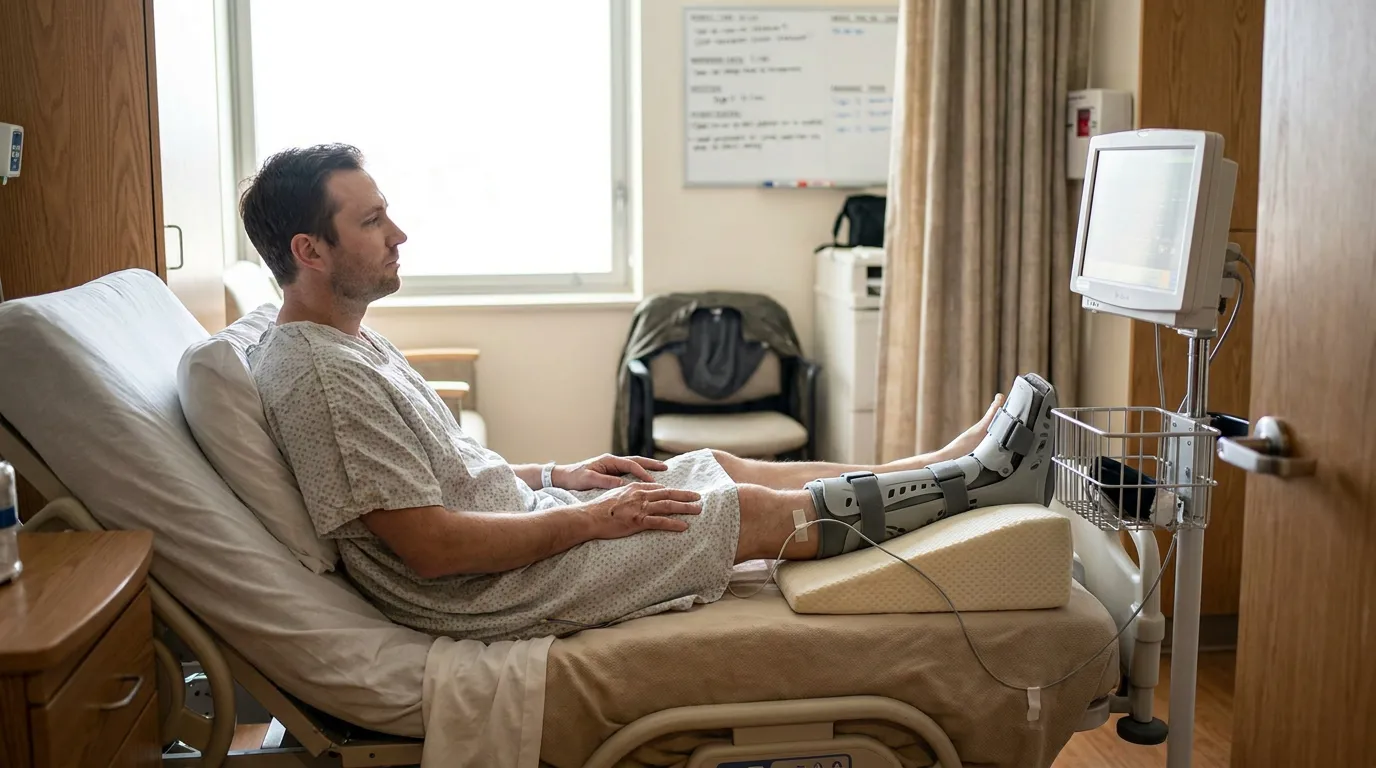
Compartment syndrome occurs when pressure builds inside a closed group of muscles, cutting off blood flow and threatening the nerves and tissue inside. After a serious Dayton collision, it often develops in the leg, forearm, or foot following a fracture or crush injury. Acute compartment syndrome is a surgical emergency, and delayed treatment can cause permanent muscle and nerve damage, contractures, or limb loss. For crash victims, it may be both a medical crisis and a major factor in an injury claim’s value and complexity.
If you or a family member developed severe swelling and unrelenting pain in a limb after a wreck, The Attkisson Law Firm can help you understand your options under Ohio law. Call 937-400-0000 or contact us now to discuss what happened and what comes next.
How a Dayton Crash Muscle Injury Turns Into Compartment Syndrome
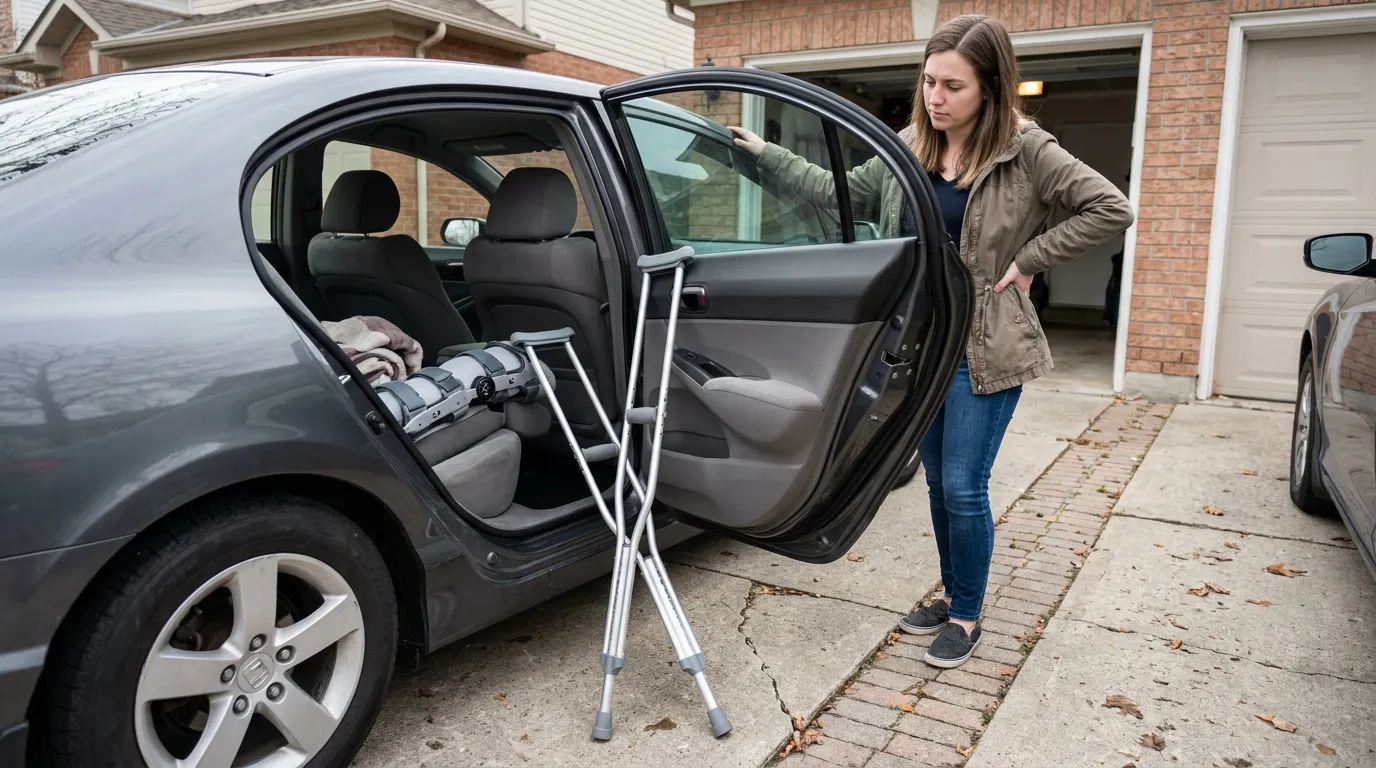
Muscles in the arms and legs sit inside compartments wrapped by fascia, a tough connective tissue that does not stretch. When high-energy trauma causes bleeding and swelling inside a compartment, pressure can rise quickly because the fascia cannot expand, compromising circulation and nerve function.
Motor vehicle collisions are a classic mechanism for this injury. Tibia fractures from dashboard or door intrusion, crushed feet caught in pedals, and forearm fractures from bracing against the steering wheel all create conditions medical literature associates with acute compartment syndrome after extremity trauma. Motorcyclists and pedestrians struck in Dayton intersections may face similar risks.
Not every swollen limb becomes compartment syndrome, and that uncertainty makes these cases difficult. Some patients develop it within hours, while others deteriorate over a day or more as bleeding continues. Because the condition can evolve after an initial ER visit, returning for reevaluation when symptoms worsen is generally important both medically and evidentiarily.
Warning Signs That Should Never Wait
Clinical guidance emphasizes pain out of proportion to the visible injury as the earliest and most important warning sign. Patients often describe pain that keeps escalating despite medication and spikes sharply when the limb is stretched or moved. Numbness, tingling, pallor, tightness, and weakness may follow as pressure rises.
Common symptoms reported after a car accident swelling injury in Dayton include:
- Deep, burning pain that worsens over time rather than improving
- A limb that feels rock-hard, tense, or visibly swollen
- Pins-and-needles sensation, numbness, or loss of sensation
- Pale, dusky, or cool skin below the injured area
- Difficulty moving the toes or fingers on the affected limb
💡 Pro Tip: Write down the date and time your symptoms changed and who you told. The timeline between the crash, first complaint of pain, and surgery often becomes a central issue in a compartment syndrome claim.
Compartment Syndrome Diagnosis in Dayton Emergency Departments
Diagnosis generally rests on clinical examination, supported in some cases by objective pressure measurement. Physicians look for disproportionate pain, paresthesia, pallor, and a tense compartment. When the exam is unclear, or a patient is sedated or unable to communicate, physicians may measure intracompartmental pressure directly with a needle manometer.
Imaging generally plays a supporting role rather than a definitive one. Research published in the clinical ultrasound literature has examined ultrasound-based diagnostic methods for assessing compartment pressures, though pressure measurement and clinical judgment generally remain central to the decision to operate.
The standard treatment is typically fasciotomy, in which the surgeon opens the fascia to relieve pressure. Medical literature consistently emphasizes that timely decompression is critical to preventing irreversible tissue necrosis and long-term disability. Fasciotomy wounds frequently require staged closure, skin grafting, and extended rehabilitation, which is why these cases often involve months of treatment.
| Stage | What Typically Happens | Why It Matters to a Claim |
|---|---|---|
| Initial trauma | Fracture, crush, or soft tissue injury with bleeding | May help establish crash-related causation |
| Rising pressure | Escalating pain, tightness, sensory changes | Documents onset and reporting timeline |
| Diagnosis | Clinical exam, possible pressure measurement | May create objective medical evidence |
| Fasciotomy | Surgical decompression, staged wound care | May drive medical expenses and recovery length |
| Recovery | Grafting, therapy, possible permanent deficits | May support future damages and impairment |
Proving a Compartment Syndrome After Car Accident Claim in Ohio
Ohio negligence law generally requires establishing duty, breach, causation, and damages. The duty is every driver’s obligation to operate with reasonable care; breach may involve distracted, impaired, or speeding driving, or failing to yield. Causation connects that conduct to the trauma producing the limb injury, and in a complex condition like compartment syndrome it ordinarily must be established through expert medical testimony.
Causation deserves particular attention because defense arguments often target the gap between impact and surgery. Insurers may suggest the condition resulted from delayed care or independent medical decisions rather than the collision, and Ohio law also expects injured people to take reasonable steps to mitigate damages. Consistent emergency records, documented complaints of escalating pain, and operative reports tying the fasciotomy to the crash-related fracture may strengthen the causal chain, though every case turns on its own facts.
Damages in a Dayton car accident limb injury case may extend well beyond the initial hospital stay, including surgical and hospital bills, rehabilitation, lost wages, diminished earning capacity if permanent weakness or nerve damage remains, and pain and suffering, with future losses generally requiring expert proof. Understanding what types of injuries qualify for a Dayton car accident claim can help you assess whether your situation warrants a closer legal review.
Ohio Filing Deadlines and Why Timing Matters
Under Ohio Revised Code § 2305.10, an action for bodily injury generally must be brought within two years after the cause of action accrues. Wrongful death claims are governed separately by Ohio Revised Code § 2125.02, generally requiring filing within two years of death. Claims alleging negligent medical care are instead governed by the one-year period in Ohio Revised Code § 2305.113, subject to its own notice and repose provisions, so the applicable deadline depends on the type of claim asserted.
Limited exceptions may apply, and Ohio courts generally interpret them narrowly. Ohio Revised Code § 2305.16 addresses tolling for minority or unsound mind in certain circumstances, and delayed-accrual principles apply only in limited settings that rarely fit an obvious traumatic injury. Nothing about tolling is automatic, and you should not assume an extension applies without case-specific review.
Claims involving a public entity or a government-owned vehicle generally follow a different procedural track. Actions against the state are generally filed in the Ohio Court of Claims under Ohio Revised Code Chapter 2743, and political subdivisions are generally immune under Chapter 2744 except where an enumerated exception applies, such as negligent operation of a motor vehicle by an employee within the scope of employment. Shorter filing periods and additional defenses can apply, separate from an ordinary lawsuit against a private driver.
Comparative Fault and Insurance Realities
Ohio applies a modified comparative negligence rule under Ohio Revised Code § 2315.33. An injured person may recover only if their own fault is not greater than the combined tortious conduct of all other persons from whom recovery is sought, and any award is generally reduced in proportion to that percentage under Ohio Revised Code § 2315.35. Insurers frequently raise comparative fault arguments in cases involving severe limb injuries.
Coverage limits present a practical challenge that surprises many clients. A fasciotomy, multiple surgeries, and months of therapy can exhaust a minimum liability policy quickly, making uninsured and underinsured motorist coverage a potentially meaningful avenue when a policy includes it, though Ohio does not require insurers to provide that coverage. Working with a Dayton injury attorney compartment syndrome claimants trust may help identify applicable coverage sources, as well as any health insurer or medical provider subrogation and lien rights that must be resolved.
💡 Pro Tip: Request your complete records, including nursing notes and operative reports, rather than just the discharge summary. Nursing documentation of repeated pain complaints often shows when the compartment syndrome began developing.
Practical Steps After a Compartment Syndrome Dayton Crash
Protecting your health comes first, and protecting your claim follows closely behind. Seek immediate reevaluation if pain escalates, and clearly describe the crash mechanism to every provider so the connection appears in the chart. Photographs of the swollen limb and later of the surgical wounds can be valuable, subject to your own comfort level.
Avoid giving a recorded statement to another driver’s insurer or accepting an early settlement while treatment is ongoing. The full scope of a compartment syndrome injury often is not known until wound closure and rehabilitation are complete, and a signed release generally cannot be undone. Early offers rarely account for permanent nerve deficits or future care needs, though your own policy may separately require cooperation with your insurer.
Frequently Asked Questions
1. How soon after a crash does compartment syndrome usually appear?
Onset commonly occurs within hours of the trauma, though it can develop later as bleeding and swelling continue. Symptoms sometimes emerge after an initial discharge from the emergency department. Any escalating pain or numbness in an injured limb warrants immediate reevaluation.
2. Does a delay in diagnosis affect my claim?
It depends heavily on the facts and who caused the delay. A delay attributable to the crash-related trauma itself may remain part of the negligence claim against the at-fault driver. A delay caused by substandard medical care may raise a separate medical negligence claim with a different, shorter filing deadline and its own expert requirements, so individualized analysis is important.
3. Can I still recover if I was partly at fault for the collision?
Under Ohio Revised Code § 2315.33, recovery is generally permitted if your share of fault is not greater than that of the other parties combined. Any award would generally be reduced by your percentage of responsibility, and fault of 51 percent or more generally bars recovery. Fault allocation is fact-dependent and frequently disputed.
4. What damages are available in a Dayton personal injury compartment syndrome case?
Available damages may include past and future medical expenses, lost income, reduced earning capacity, and pain and suffering. Ohio Revised Code § 2315.18 caps most noneconomic damages at the greater of $250,000 or three times economic loss, subject to an overall limit, but those caps do not apply to permanent and substantial physical deformity, loss of a limb or bodily organ system, or a permanent physical injury that prevents independent living. Whether an exception applies depends on the specific medical findings.
5. Do I have to file within two years?
Ohio Revised Code § 2305.10 sets a general two-year deadline for bodily injury actions. Different deadlines can apply to claims against government entities or medical negligence claims, and exceptions such as tolling are limited and generally construed narrowly by Ohio courts. Waiting to confirm whether an exception applies may be risky, so prompt consultation is generally advisable.
Moving Forward After a Serious Limb Injury
Compartment syndrome represents one of the most serious potential outcomes of a motor vehicle collision, combining emergency surgery, prolonged rehabilitation, and the real possibility of lasting impairment. Ohio law may provide a path to compensation when another party’s negligence caused the underlying trauma, but outcomes generally depend on careful documentation of the medical timeline, a well-supported causation argument, and attention to statutory deadlines. Every claim is different, and the outcome depends on the specific facts, available insurance coverage, and the strength of the medical record.
If you are facing a long recovery after a crash in Dayton or the surrounding Miami Valley, The Attkisson Law Firm is ready to listen. Call 937-400-0000 or schedule your free consultation to learn how Ohio law may apply to your situation.
Disclaimer: This content is for informational purposes only and is not legal advice. Every case is unique, and results may vary. Consult an attorney about your specific circumstances.