
Why Montgomery County’s 2025 Crash Surge Demands Attention
Key Takeaways: Approximately 11,790 crashes occurred across Montgomery County in 2025, according to Ohio State Highway Patrol end-of-year statistics, leaving thousands of families confronting hospital bills, lost income, and legal questions. Ohio law allows injured persons to seek compensation from at-fault parties, but success depends on fault rules, deadlines, and insurance limits. Under Ohio’s modified comparative negligence rule, victims can recover only if found no more than 50% at fault, with awards reduced by their assigned share. Personal injury claims must typically be filed within two years under R.C. 2305.10, and missing that deadline can forfeit the claim entirely. State minimum insurance coverage often falls short of catastrophic injury costs, making identification of all available coverage critical. Acting promptly to preserve evidence and consult an attorney gives injured victims the strongest footing for fair recovery.
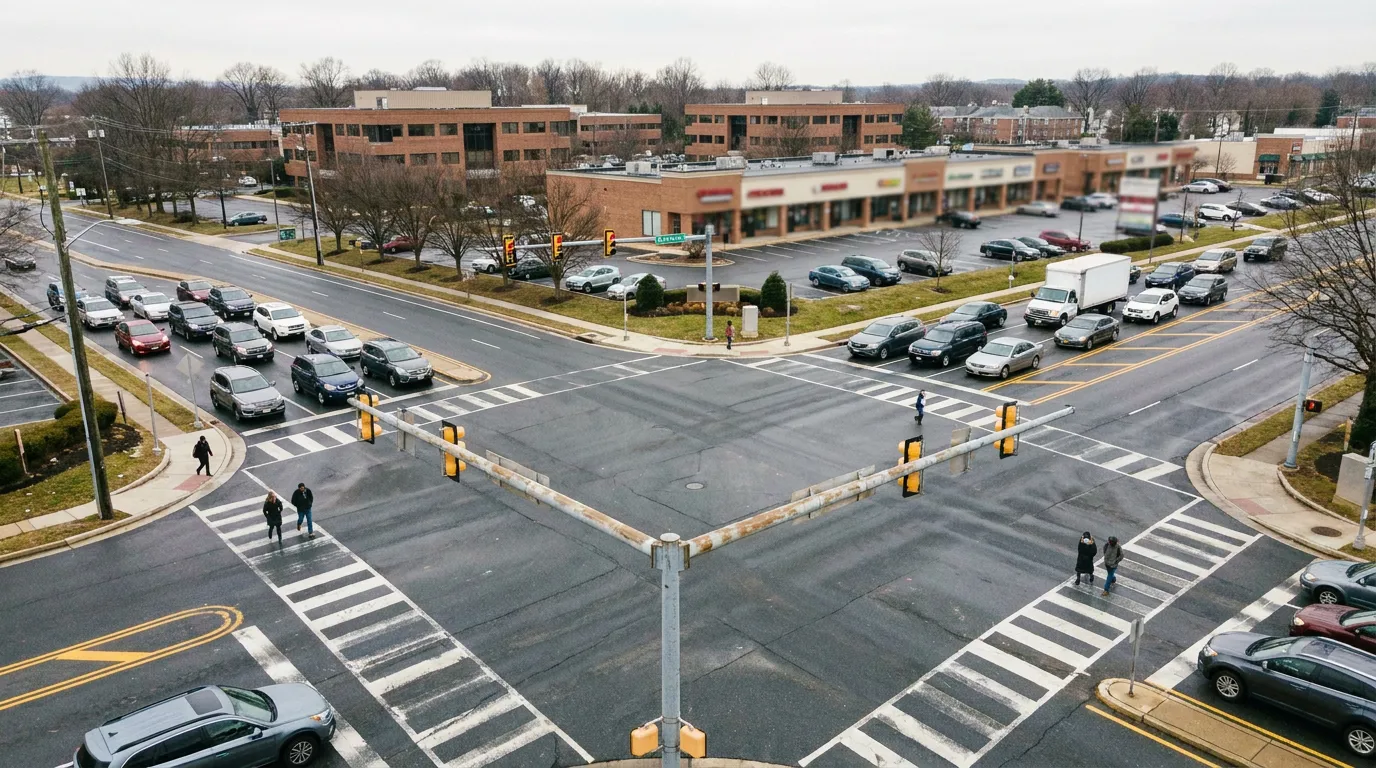
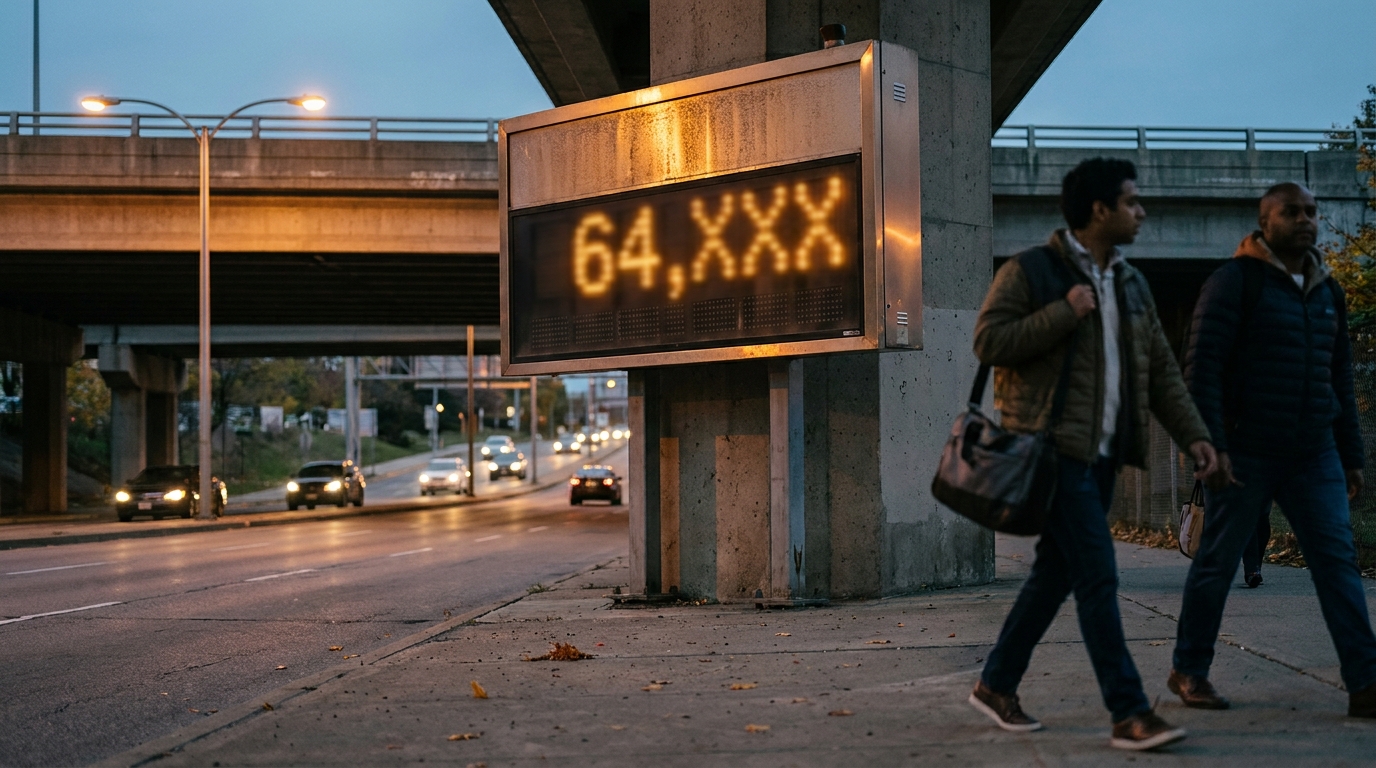
Approximately 11,790 crashes occurred across Montgomery County in 2025, according to Ohio State Highway Patrol end-of-year statistics, translating into thousands of families confronting hospital bills, lost income, and difficult legal questions. When a collision leaves you seriously hurt, the question of who pays for your recovery becomes urgent. Ohio law generally allows injured persons to pursue compensation from at-fault parties, but the path runs through fault rules, filing deadlines, and insurance requirements that reward preparation.
If you or a loved one suffered a serious injury in a Dayton-area collision, the team at The Attkisson Law Firm is ready to listen. You can call us at 937-400-0000 or reach out through our secure online contact form to discuss your situation. Acting promptly helps preserve evidence while it is still fresh.
What Dayton’s Crash Data Reveals About Road Risk
Crash statistics give important context for understanding how a single collision fits into a larger pattern of road danger. According to the Insurance Institute for Highway Safety, Ohio saw 1,242 motor vehicle crash deaths in 2023, a rate of roughly 11 deaths per 100,000 residents. That figure helps frame why a county-level total above 11,000 crashes represents real human harm, especially as fatal crashes continue to impact Ohio families statewide.
National comparisons place Ohio’s experience in perspective. Across the country, there were over 40,000 motor vehicle crash deaths in 2023, corresponding to about 12 deaths per 100,000 people. Ohio’s rate sat modestly below that national average. You can review the underlying figures in the IIHS state-by-state fatality data for a fuller picture.
💡 Pro Tip: Save any local news coverage, traffic camera references, or roadway condition reports from the day of your crash. This contextual evidence can support how and why a collision occurred.
Impaired Driving Remains a Persistent Danger
Alcohol involvement continues to drive a meaningful share of Ohio’s most serious crashes. In 2023, approximately 32% of fatally injured passenger vehicle drivers in Ohio had blood alcohol concentrations of 0.08% or higher. When an impaired driver causes a wreck, that conduct can be powerful evidence of negligence. Establishing impairment generally strengthens an injured victim’s claim, though every case turns on its specific facts.
Seat Belts and the Severity of Injuries
Restraint use plays a decisive role in whether a crash produces survivable or catastrophic injuries. Ohio’s observed seat belt use rate was about 85%, below the national average of roughly 92%, and approximately 64% of fatally injured vehicle occupants in Ohio in 2021 were unrestrained, which is higher than the national unrestrained figure of approximately 50% (based on known restraint use), according to NHTSA data. While Ohio law generally limits the use of seat belt nonuse as evidence in a negligence claim, the central question remains who caused the collision. A serious injury victim should not assume being unbelted ends a claim.
How Fault Is Decided in Ohio Auto Accident Claims
Ohio follows a modified comparative negligence rule that determines whether and how much an injured person can recover. Under this doctrine, an injured party may recover damages only if their share of fault is not greater than 50%. Comparative negligence is a tort principle in which a plaintiff’s recovery is reduced by their assigned percentage of fault. This means a victim who is partially responsible can still pursue compensation, though the award is reduced proportionally.
Proving fault requires establishing the four traditional elements of a negligence claim: duty, breach, causation, and damages. Each must be supported by evidence rather than assumption. In practice, the contested issue is often the percentage of fault assigned to each party, which insurers may try to shift toward the victim. A knowledgeable car accident lawyer Dayton residents trust can help gather documentation to counter inflated fault arguments.
The 51% Bar in Practice
Ohio’s fault bar operates as a hard line once a party’s share exceeds 50%, but the fault percentages leading up to it are frequently disputed. Courts and juries weigh available evidence, and outcomes depend heavily on the specific facts presented. Common factors that influence fault allocation include:
- Distracted driving, such as texting behind the wheel
- Impaired or intoxicated operation
- Speeding or failure to yield the right of way
- Disregarding traffic signals or signs
💡 Pro Tip: Avoid giving a recorded statement to the other driver’s insurer before speaking with counsel. Casual remarks can be used to argue that you bear a larger share of fault.
Ohio’s Filing Deadlines for Serious Injury Claims
Time limits, known as statutes of limitations, can quietly extinguish an otherwise strong injury claim if missed. In Ohio, the statute of limitations for personal injury claims, including those arising from car accidents, is generally two years from the date of injury. This deadline is established under Ohio Revised Code Section 2305.10. Missing the window can mean losing the right to compensation entirely, regardless of how serious the harm.
The two-year rule is the default, but it is not the only timing consideration. Certain situations may toll, or pause, the running of the clock under limited circumstances, and courts generally interpret these exceptions narrowly. A victim should never assume that an extension automatically applies. Civil lawsuit deadlines are distinct from any administrative or notice deadlines that may apply when a government entity is involved, which are often shorter.
When the Clock May Be Affected
Exceptions to the standard deadline exist, but they are limited and should be evaluated carefully. For example, the delayed discovery of certain injuries or the involvement of a minor may influence timing in some cases. Because these doctrines are applied conservatively by Ohio courts, treating the two-year period as firm is the safest approach.
💡 Pro Tip: Calendar your filing deadline as soon as possible after a crash, and treat it as the earliest date rather than a flexible target.
How a Personal Injury Attorney in Dayton, Ohio Strengthens Your Claim
A personal injury attorney Dayton, Ohio victims rely on focuses on building the evidence and legal arguments that support full and fair compensation. That work typically includes preserving physical evidence, securing crash reports, and documenting the full extent of medical treatment and lost income. Insurers frequently open with low settlement offers, and a thorough presentation of damages helps counter those tactics.
Ohio also requires drivers to carry insurance, which shapes the practical realities of recovery. State law mandates minimum coverage of $25,000 for injury or death of one person, $50,000 for injury or death of multiple people, and $25,000 for property damage. These minimums can fall short of the actual cost of catastrophic injury, which makes identifying all available coverage important. Reviewing the surge described in the firm’s analysis of Montgomery County car accidents 2025 and prior years shows why thorough investigation matters.
The table below summarizes how Ohio crash deaths broke down by collision type in 2023.
| Crash Type | Deaths (2023) | Share |
|---|---|---|
| Single-vehicle crashes | 602 | 48% |
| Multiple-vehicle crashes | 640 | 52% |
| Total | 1,242 | 100% |
Working with a Dayton injury lawyer early helps avoid common missteps that weaken a claim. Delays in treatment, gaps in documentation, and premature settlements can each reduce what a victim ultimately recovers. While no attorney can promise a particular result, careful preparation generally improves the strength of a claim.
💡 Pro Tip: Keep a simple journal of your pain levels, missed workdays, and limitations on daily activities. This running record can support claims for non-economic damages.
Frequently Asked Questions
1. How long do I have to file an Ohio car accident injury claim?
Ohio generally provides a two-year statute of limitations for personal injury claims under R.C. 2305.10. The clock typically starts on the date of injury, and exceptions are interpreted narrowly. Confirming your specific deadline early protects your rights.
2. Can I still recover damages if I was partly at fault?
Yes, in many cases, as long as your share of fault is not greater than 50%. Ohio’s modified comparative negligence rule reduces recovery by your percentage of fault. The exact allocation depends on the evidence presented.
3. Does not wearing a seat belt prevent me from recovering?
Not automatically, because the central question remains who caused the collision. Ohio law generally restricts how seat belt nonuse may be used against you. The analysis is fact-specific.
4. What if the at-fault driver only carried minimum insurance?
Minimum coverage may not fully cover a severe injury, so identifying additional sources is important. Underinsured motorist coverage and other policies can sometimes apply. A careful review of available coverage helps clarify your options.
5. Should I accept the insurer’s first settlement offer?
Initial offers are often lower than the full value of a serious injury claim. Reviewing your medical needs and losses before responding is generally wise. Consulting counsel can help you evaluate whether an offer is fair.
Moving Forward After a Montgomery County Crash
The scale of crashes across Montgomery County underscores how quickly an ordinary day can turn into a fight for recovery. Ohio’s fault rules, two-year filing deadline, and insurance requirements all influence what an injured person can pursue. Acting promptly to preserve evidence, document injuries, and understand the law gives victims the strongest footing.
If a serious injury has disrupted your life, The Attkisson Law Firm is here to help you understand your options. Call us today at 937-400-0000, visit our website to learn more, or send your details through our confidential case review form. Reaching out early helps protect both your recovery and your rights.