
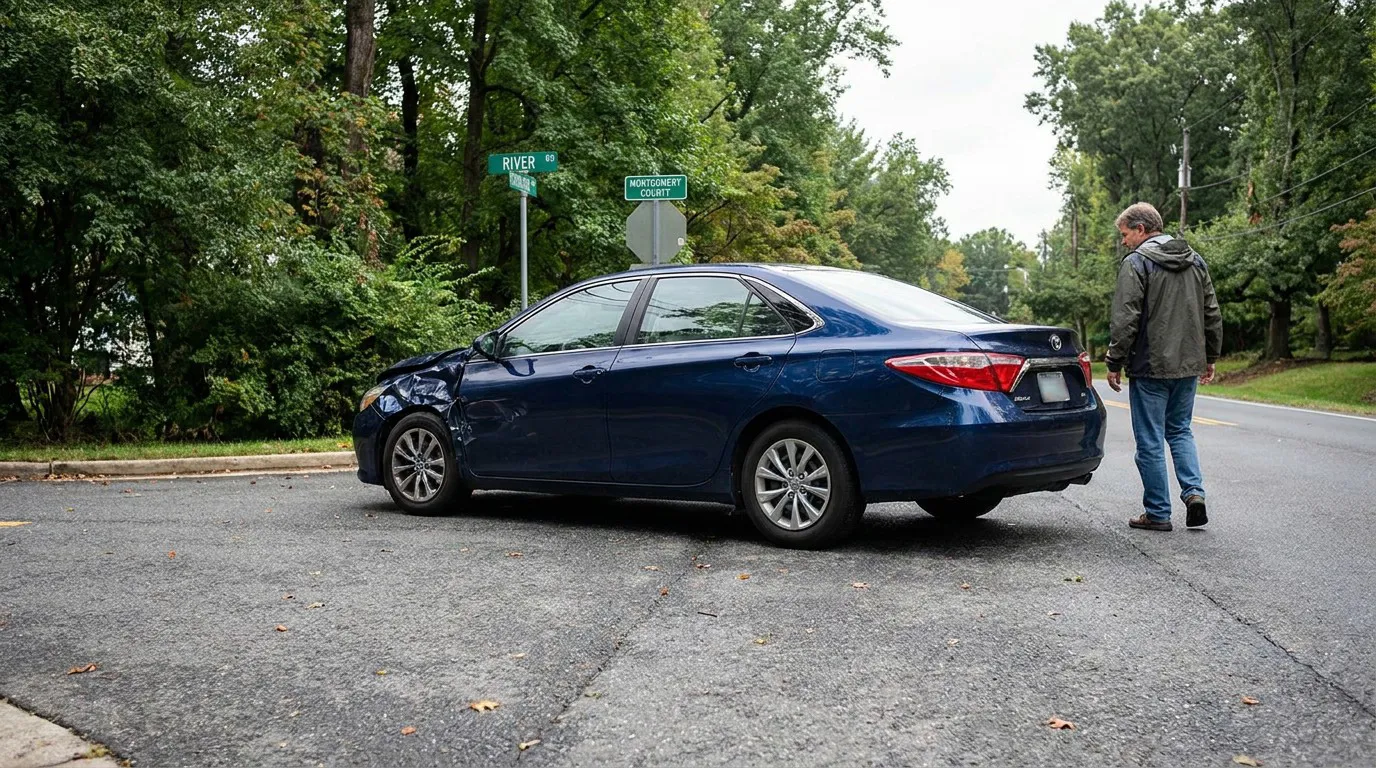
Understanding Your Path to Justice After a Dayton Crash
Key Takeaways: Filing a car accident lawsuit in Montgomery County requires understanding Ohio’s two-year statute of limitations under Ohio Revised Code § 2305.10(A), which runs from the crash date. You must prove negligence by establishing duty, breach, causation, and damages, and may pursue claims against multiple parties including drivers, employers, manufacturers, or government entities. Ohio’s modified comparative negligence rule permits recovery only if your fault is 50 percent or less, with awards reduced proportionally. Economic damages have no cap, while non-economic damages are generally capped at the greater of $250,000 or three times economic damages, up to $350,000 per plaintiff or $500,000 per occurrence. The lawsuit begins by filing a complaint in the Court of Common Pleas, followed by discovery and settlement or trial.
Filing a car accident lawsuit in Montgomery County requires understanding the rules governing your right to recover. If another driver’s negligence caused serious injuries, Ohio law provides a defined process for pursuing compensation through the Montgomery County Court of Common Pleas. Knowing the deadlines, burden of proof, and how fault is measured helps you make informed decisions from day one.
The civil litigation process can feel overwhelming during recovery. Working with a knowledgeable legal team early makes a meaningful difference in how your case is built. At The Attkisson Law Firm, we help injured people in Dayton understand their options. Call 937-400-0000 or use our secure contact page to discuss your situation.
Why Acting Quickly Protects Your Right to File
Ohio sets a firm time limit on car accident claims. Under Ohio Revised Code § 2305.10(A), actions for bodily injury must be brought within two years after the cause of action accrues. For most car accidents, that accrual date is the crash date.
Missing this deadline carries serious consequences. Courts generally dismiss cases filed after the deadline, permanently barring recovery. Gathering evidence and consulting counsel soon after a collision preserves your claim.
💡 Pro Tip: You don’t have to wait until fully recovered to build your case. Documenting medical care, witness information, and crash details early creates a stronger record.
Certain situations involve different timelines. Wrongful death claims must generally be filed within two years of the death date. Tolling and discovery-based extensions apply only in limited circumstances, and courts construe these exceptions strictly.
Civil Deadlines Versus Administrative Claims
Lawsuits against private parties follow different rules than claims involving government entities. When public agencies may share responsibility, such as poor road maintenance cases, separate notice requirements and shorter timelines apply. Understanding which rules govern your claim is essential.
Proving Negligence: The Foundation of Your Claim
Every successful car accident lawsuit requires proving negligence. You must establish four elements: the other party owed you a duty of care, they breached that duty, the breach caused your injuries, and you suffered actual damages. This often means showing a driver was distracted, impaired, speeding, or failed to yield.
Identifying every responsible party expands recovery sources. Potentially liable parties include:
- The at-fault driver whose conduct caused the collision
- The employer of an at-fault driver, under vicarious liability principles
- A vehicle manufacturer, where defects contributed to injuries
- Government entities responsible for hazardous road conditions
Preserving evidence strengthens your proof. Photographs, police reports, medical records, and witness statements connect another party’s conduct to your injuries. Our overview of how to file a civil lawsuit in Ohio explains the broader litigation framework.
💡 Pro Tip: Request the official crash report as soon as available. It often contains officer observations and contact details that become harder to gather over time.
How Comparative Negligence Affects Your Recovery
Ohio uses a modified comparative negligence system. Ohio Revised Code § 2315.33 provides that contributory fault does not bar recovery if the plaintiff’s fault was not greater than the combined conduct of all other parties.
This is the 51 percent bar rule. If you are 51 percent or more responsible, you may be barred from recovery. At or below 50 percent fault, you may still pursue compensation, though your award will be reduced proportionally.
Awards are reduced by your assigned fault percentage. For example, if you are found 30 percent at fault, your recovery is reduced accordingly. Because fault allocation is fact-dependent, outcomes vary significantly.
Working With a Personal Injury Attorney Dayton, Ohio Residents Rely On
Insurance companies often present insufficient settlement offers. After a crash, you can settle with the insurer or file a claim in court when offers are inadequate. Knowing when an offer is too low requires evaluating medical costs, lost income, and long-term prognosis.
A seasoned personal injury attorney Dayton, Ohio injury victims trust can level the playing field. Legal counsel investigates crashes, identifies liable parties, and counters insurer tactics designed to minimize payouts. Experienced advocacy ensures thorough evidence supports your claim.
Ohio does not currently require insurers to include uninsured or underinsured motorist coverage. State law (ORC § 3937.18) provides that a motor vehicle insurance policy "may, but is not required to, include uninsured motorist coverage, underinsured motorist coverage, or both." While many insurers still offer UM/UIM coverage voluntarily, policyholders who are offered it may reject it in writing. This coverage becomes crucial when responsible drivers lack sufficient insurance. Our team handling serious auto collision claims can review your policy to identify all recovery avenues.
💡 Pro Tip: Avoid giving recorded statements to the other driver’s insurer before consulting counsel. Adjusters may use early statements to assign you greater fault.
What Damages You May Recover in a Montgomery County Case
Ohio law allows recovery for economic and non-economic harm. Economic damages cover measurable losses like medical bills and lost wages, while non-economic damages address pain and suffering.
Ohio treats these categories differently regarding limits. Ohio does not cap economic damages in car accident lawsuits. Non-economic damages are generally capped at the greater of $250,000 or three times economic damages, up to $350,000 per plaintiff or $500,000 per occurrence. These caps don’t apply to catastrophic injuries, such as permanent physical deformity or loss of a bodily organ system.
| Damage Type | General Treatment Under Ohio Law |
|---|---|
| Economic (medical bills, lost wages) | No statutory cap |
| Non-economic (pain and suffering) | Generally capped at the greater of $250,000 or 3x economic damages, up to $350,000 per plaintiff / $500,000 per occurrence |
| Reduction for plaintiff fault | Proportional to assigned percentage of fault |
Individual outcomes vary based on facts. Claim value depends on specific injuries, evidence, and degree of fault involved. Careful case evaluation determines potential worth.
Steps to File Your Lawsuit in the Court of Common Pleas
Filing a car accident lawsuit in Montgomery County follows a structured sequence. Personal injury statutes fall under Title 23, Chapter 2305, governing filing time limits in Ohio’s Court of Common Pleas, the trial court hearing civil injury matters for Dayton area residents.
Preparing and Filing the Complaint
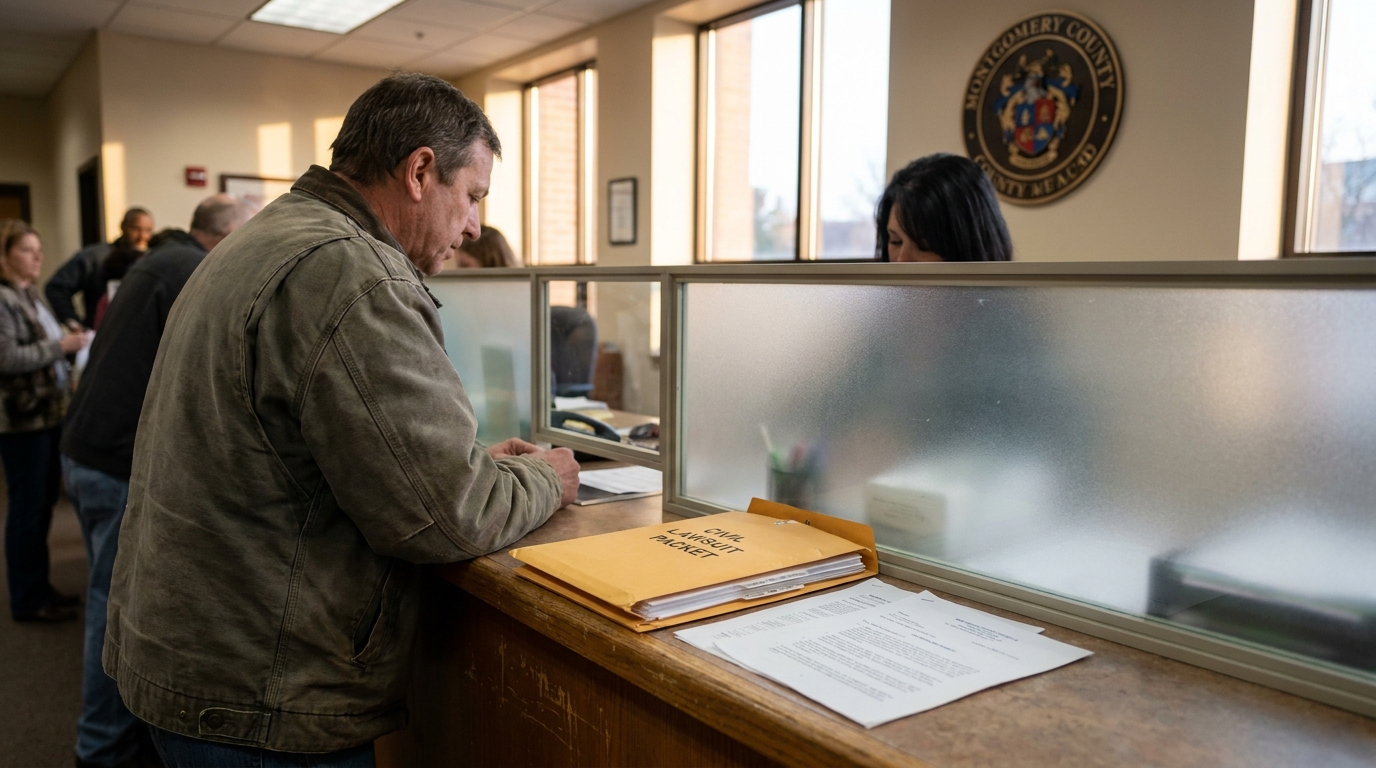
The lawsuit formally begins with filing a complaint. This document identifies parties, states facts, and outlines the legal basis for your claim. After filing, defendants must be properly served.
Discovery and Resolution
Most cases proceed through discovery before trial. Both sides exchange information, take depositions, and develop evidence. Many lawsuits resolve through settlement during or after discovery, while others proceed to trial where a judge or jury decides the outcome.
Frequently Asked Questions
-
How long do I have to file a car accident lawsuit in Ohio?
Most claims must be filed within two years of the crash. Ohio Revised Code § 2305.10(A) sets this window. Limited exceptions exist, but courts apply them narrowly.
-
Can I still recover if I was partly at fault?
You may recover if your fault doesn’t exceed 50 percent. Under Ohio’s modified comparative negligence rule, damages are reduced by your fault percentage, with recovery barred only above 50 percent.
-
Who can be held liable for my injuries?
Liability isn’t limited to the other driver. Depending on facts, an employer, vehicle manufacturer, or government entity may share responsibility.
-
Should I accept the insurance company’s first offer?
Early offers may not reflect full losses. Initial settlements often underestimate future medical needs and lost income, so review with counsel first.
-
What if the at-fault driver was uninsured?
Your own policy may provide coverage. Ohio does not currently require insurers to include uninsured or underinsured motorist coverage; such coverage may be included in a policy under Ohio Revised Code § 3937.18, and if offered a policyholder may reject it in writing. When included, UM/UIM coverage allows recovery through your policy when the responsible driver lacks adequate insurance.
Securing the Compensation You Deserve
Pursuing a car accident lawsuit in Montgomery County involves strict deadlines, careful proof of negligence, and understanding how Ohio measures fault and damages. From the two-year filing window to comparative negligence rules and available compensation categories, each element shapes your claim’s strength. Personalized guidance from a trusted personal injury attorney Dayton, Ohio victims rely on helps you navigate the process confidently while avoiding costly missteps.
You don’t have to face insurance companies or courts alone. If a negligent driver caused your serious injuries, the team at The Attkisson Law Firm is ready to help you understand your options. Call 937-400-0000 or schedule your consultation online to protect your rights.