
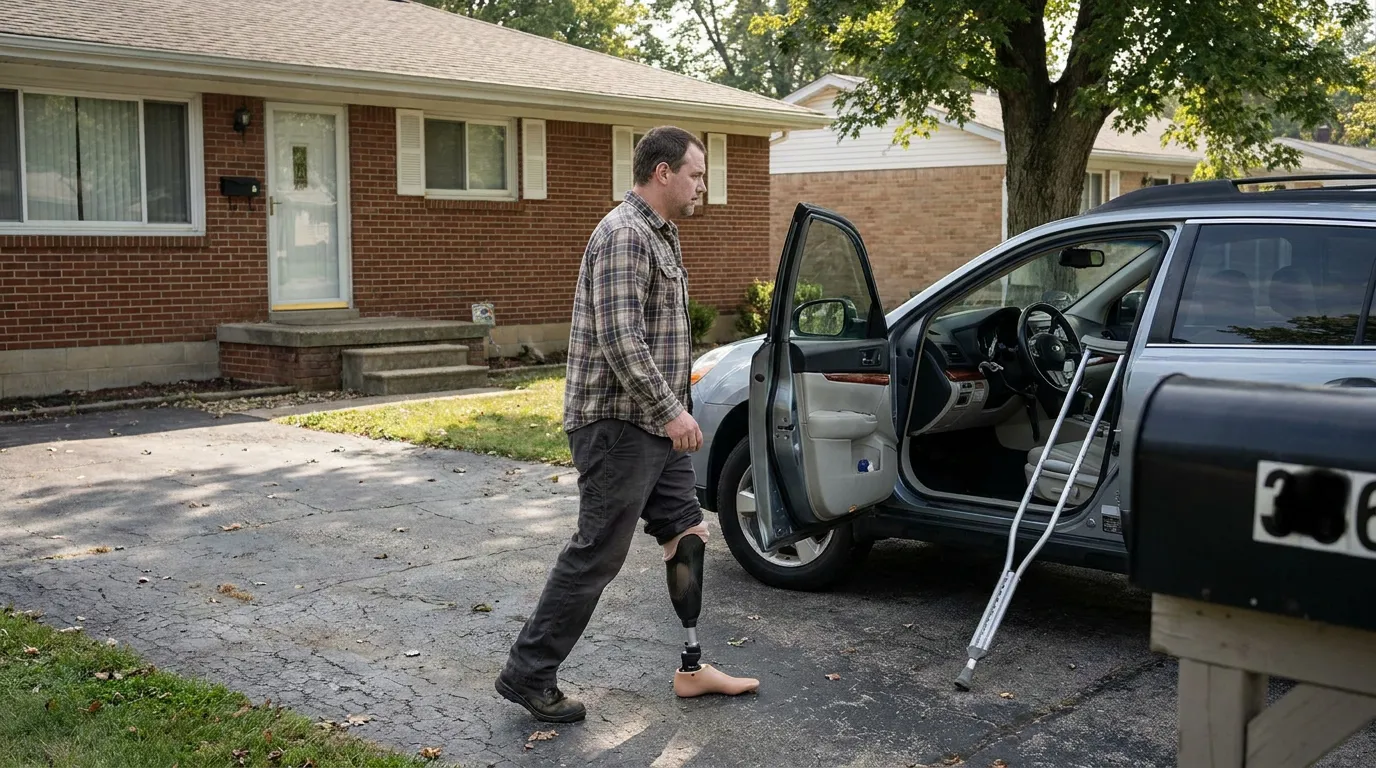
Catastrophic Crash Injuries and Ohio’s Damages Limits
Key Takeaways: Yes, permanent and substantial loss of use of an arm or leg can lift Ohio’s cap on noneconomic damages in a car accident case. Ohio Revised Code § 2315.18(B)(3)(a) also covers permanent and substantial physical deformity and loss of a bodily organ system. A second exception may remove the cap when a permanent physical functional injury, such as a severe spinal cord or brain injury, keeps a person from caring for themselves and performing life-sustaining activities. Without an exception, noneconomic damages are generally limited to the greater of $250,000 or three times economic loss, with a maximum of $350,000 per plaintiff or $500,000 per occurrence. Economic losses like medical bills and lost wages are not capped. Whether an injury qualifies depends on medical evidence of permanence and severity, and insurers often dispute partial loss of function. Crashes involving political subdivision vehicles, such as city or county vehicles, generally follow a stricter $250,000 cap with no catastrophic injury exception. Most Ohio personal injury claims must be filed within two years, so acting early helps preserve evidence.
Yes, losing the use of an arm or leg can remove Ohio’s cap on noneconomic damages in a car accident case. Under Ohio Revised Code § 2315.18(B)(3)(a), the usual limits on noneconomic damages do not apply when those losses come from permanent and substantial physical deformity, loss of use of a limb, or loss of a bodily organ system. People call this the Ohio damages cap catastrophic injury exception. It can matter a great deal for Dayton families facing an amputation, paralysis, or a limb that will never work again. Whether it applies to you depends on your medical evidence and the facts of your crash.
If a serious crash has changed your life, you do not have to sort through these rules alone. The Attkisson Law Firm works with injured people in Dayton and across Ohio to understand what their claims may be worth. Call 937-400-0000 or contact us now to talk about your situation.

How the Ohio Damages Cap Normally Works
Ohio’s standard cap limits noneconomic damages in most tort actions, including car accident negligence claims. Ohio Revised Code § 2315.18(A)(7) defines a "tort action" as a civil action for damages for injury or loss to person or property. That definition excludes breach of contract claims, and the cap does not apply to wrongful death actions. A personal injury claim against a negligent driver after a Dayton crash generally counts as a tort action.
What the Standard Cap Allows
Under Ohio Revised Code § 2315.18(B)(2), noneconomic damages generally cannot exceed the greater of $250,000 or three times the plaintiff’s economic loss. That figure is then capped at $350,000 per plaintiff, or $500,000 per occurrence. For someone with lasting pain, this can mean the court cuts a jury’s award after the verdict. You can learn more in our overview of Ohio’s $350,000 damage cap and how it affects Dayton car accident claims.
Economic Losses Are Not Capped
Ohio places no limit on economic damages in a tort action for personal injury. Ohio Revised Code § 2315.18(B)(1) says there shall not be any limitation on compensatory damages for economic loss. Under Ohio Revised Code § 2315.18(A)(2), economic loss includes lost wages, future lost earnings, and costs for medical care, rehab, and other care. With a catastrophic injury, future medical costs and lost earnings may be large, and you may recover the full amount you can prove, subject to other rules such as reductions for comparative fault.
What Counts as Noneconomic Damages?
Noneconomic damages are the type of compensation the cap limits. Ohio Revised Code § 2315.18(A)(4) defines noneconomic loss as nonpecuniary harm. That includes pain and suffering, loss of society, consortium, and companionship, mental anguish, and any other intangible loss. Put simply, these damages cover the human cost of an injury, beyond the bills.
Many states treat these losses the same way. A national overview of non-economic damages explains that some states cap what plaintiffs can recover for these harms. Ohio is one of those states, but its statute also includes key exceptions for the most serious injuries.
Applying the Ohio Damages Cap Catastrophic Injury Exception
The Ohio damages cap catastrophic injury exception removes the noneconomic cap when the statute’s conditions are met. Ohio Revised Code § 2315.18(B)(3) gives two separate routes. If you prove either one, the statute sets no limit on noneconomic damages, though the jury still decides how much to award.
Route One: Deformity, Limb, or Organ System Loss
The first route covers permanent and substantial physical deformity, loss of use of a limb, or loss of a bodily organ system. A car accident amputation may fit here. So may a permanent loss of use of a limb, such as an arm that no longer works after a severe nerve injury. The wording matters. The statute says "loss of use," so a limb that is still attached but can never function may still qualify, depending on the evidence.
Route Two: Inability to Care for Oneself
The second route applies to a permanent physical functional injury that permanently keeps the person from caring for themselves and performing life-sustaining activities. Ohio Revised Code § 2315.18(B)(3)(b) sets out this exception. It may cover severe spinal cord or brain injuries from crashes, even when no limb is lost, but the injury must be physical and functional. Courts have generally not applied it to purely psychological harm. You can read the full text of Ohio’s damages cap statute to see the exact wording.
| Category | Capped? | Ohio Authority |
|---|---|---|
| Medical bills, lost wages, future earnings | No cap | R.C. § 2315.18(B)(1) |
| Pain and suffering (standard injuries) | Greater of $250,000 or 3x economic loss, max $350,000 per plaintiff / $500,000 per occurrence | R.C. § 2315.18(B)(2) |
| Permanent and substantial deformity, loss of use of a limb (including amputation), loss of a bodily organ system | No cap | R.C. § 2315.18(B)(3)(a) |
| Permanent inability to care for self | No cap | R.C. § 2315.18(B)(3)(b) |
💡 Pro Tip: Keep a daily journal of tasks you can no longer do on your own, such as dressing, bathing, or driving. Along with medical records, this may help show that your losses are permanent.
Proving Your Injury Qualifies
Whether an injury meets the exception usually comes down to medical evidence about permanence and severity. Insurers often argue that an injury will improve or that a limb still works in part. Records from your doctors and therapists, along with life care plans, can help show what your future holds. Because outcomes depend on the facts, no one can promise that a given injury will qualify.
Evidence that may support a catastrophic injury claim includes:
- Hospital surgery and amputation records
- Treating doctors’ opinions on permanence and loss of function
- Physical and occupational therapy evaluations
- Records of home care, mobility aids, or prosthetic needs
- Family members’ testimony about daily limits
Keep Ohio’s deadline in mind. Under Ohio Revised Code § 2305.10, most Ohio personal injury claims must be filed within two years of the injury. Some exceptions exist, such as extra time for minors, but they are narrow, so do not count on them. Starting early also helps preserve crash evidence and medical records.
When a Government Vehicle Causes the Crash
A stricter rule may apply if the at-fault driver was acting for a political subdivision, such as a city or county. Under Ohio Revised Code § 2744.05(C)(1), damages that do not represent actual loss are capped at $250,000 per person, except in wrongful death actions under Chapter 2125. This statute has no exception for catastrophic injury or loss of use of a limb. If a Dayton city vehicle or county truck hit you, your noneconomic recovery may be limited even after a devastating injury. These claims also raise immunity questions and may involve other limits, such as reductions for collateral benefits. Claims against the State of Ohio itself go through the Court of Claims and follow separate rules.
Frequently Asked Questions
1. Does partial loss of function count as loss of use of a limb?
It depends on the evidence and how a court reads the facts. The statute refers to loss of use of a limb and does not require amputation. Courts may disagree on whether a serious but partial impairment qualifies, so strong medical evidence matters.
2. Are medical bills capped in Ohio car accident cases?
No. Ohio Revised Code § 2315.18(B)(1) places no limit on economic damages, which include past and future medical costs and lost wages. Claims against political subdivisions may still face other reductions.
3. Can a brain injury lift the cap if no limb is lost?
It can, in some cases. If the injury is a permanent physical functional injury that permanently prevents self-care and life-sustaining activities, Ohio Revised Code § 2315.18(B)(3)(b) may apply.
4. Does the catastrophic exception apply to claims against a city?
Generally, no. Ohio Revised Code § 2744.05(C)(1) caps damages that do not represent actual loss against political subdivisions at $250,000 per person, except in wrongful death actions, and contains no catastrophic injury exception.
5. Does the insurer have to tell me if my injury qualifies?
No. The at-fault driver’s insurer looks out for its own interests and generally has no duty to tell you how these exceptions could raise your claim’s value. Talking with your own lawyer before you accept any settlement can help protect you.
Protecting the Full Value of a Life-Changing Claim
Ohio’s noneconomic damages cap is not the final word for people with the most serious crash injuries. Loss of use of a limb, amputation, permanent and substantial deformity, loss of a bodily organ system, or a permanent physical injury that takes away a person’s independence may remove the cap entirely under Ohio Revised Code § 2315.18(B)(3). Section 2315.18 does not cap economic losses, while crashes involving political subdivision vehicles may follow stricter limits. Each case turns on its own medical evidence and facts.
If you or someone you love has suffered a catastrophic injury in a Dayton crash, it helps to talk with someone who knows these rules. The Attkisson Law Firm can review your case with you as your Ohio damages cap catastrophic injury exception lawyer. Call 937-400-0000 or schedule your consultation today.
Disclaimer: This content is for informational purposes only and is not legal advice. Every case is unique, and results may vary. Consult an attorney about your specific circumstances.