
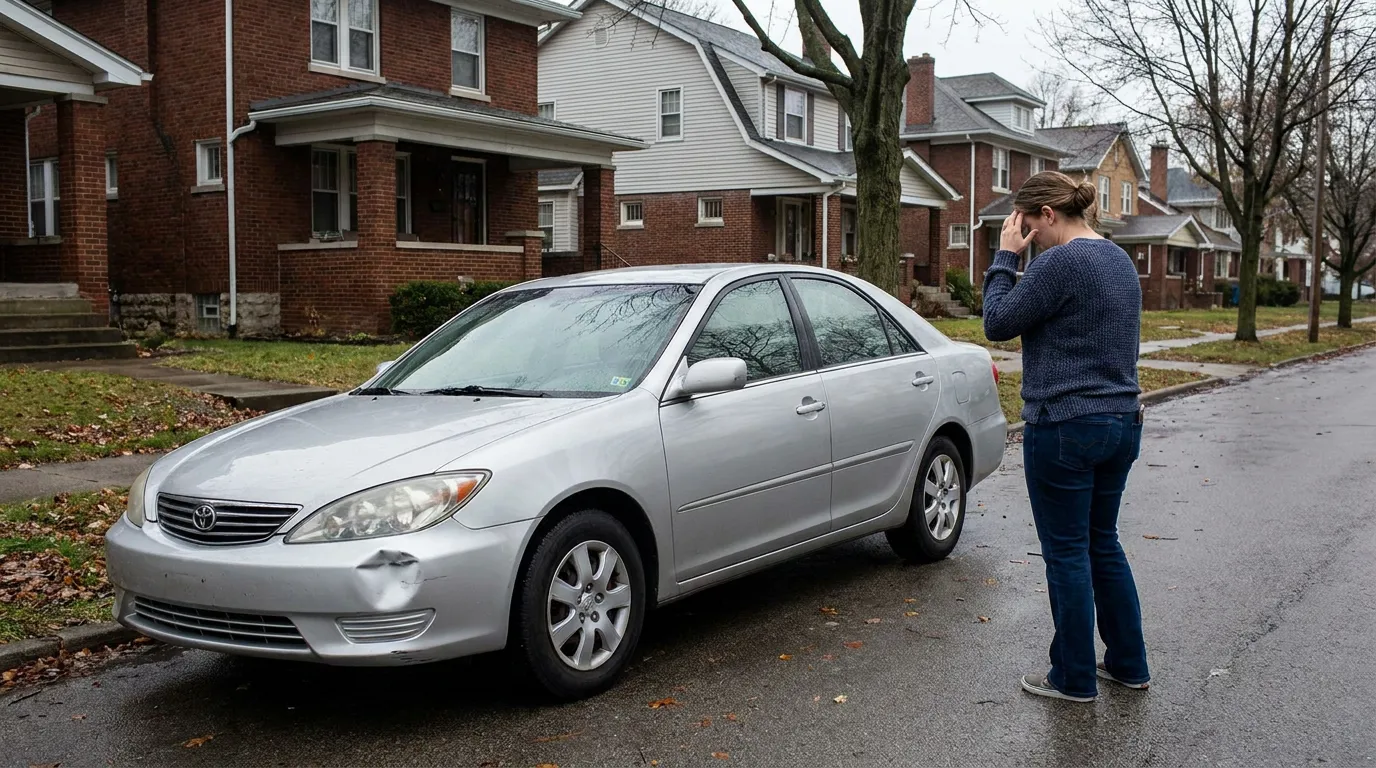
Understanding Emotional Distress Claims After a Dayton Collision
Key Takeaways: Yes, Dayton car crash victims can often sue for emotional distress in Ohio, though recovery depends on the facts and legal theory used. Ohio recognizes intentional infliction of emotional distress (IIED), requiring proof of extreme and outrageous conduct, and negligent infliction of emotional distress (NIED), requiring physical peril. Most crash victims pursue emotional distress as non-economic damages within a personal injury claim tied to physical harm, not as a standalone lawsuit. Strong documentation, including mental health records and credible testimony, is critical to proving serious emotional harm. Ohio’s two-year statute of limitations under R.C. § 2305.10 applies to injury-related claims, while standalone IIED claims face a four-year period. Early guidance from a knowledgeable legal team helps preserve evidence and protect your claim.
Yes, Ohio law allows car crash victims to pursue compensation for emotional distress in many cases. A serious collision can leave lasting anxiety, sleeplessness, and trauma that persist long after the vehicles are towed. Whether you can sue for emotional distress depends on your case facts, the claim type, and whether you meet the demanding legal thresholds Ohio courts apply.
If you’re researching your rights after a Miami Valley crash, guidance from a knowledgeable legal team can reduce the stress. The team at The Attkisson Law Firm helps injured people understand their options. Call 937-400-0000 or reach out through the firm’s online contact page to discuss your situation.

How Ohio Recognizes Emotional Harm in Injury Cases
Ohio recognizes several established avenues for recovering compensation tied to emotional harm. Beyond physical injuries, Ohio common law acknowledges tort claims connected to psychological suffering, including intentional infliction of emotional distress and invasion of privacy, which can be pleaded alongside other injury claims. This framework shows that emotional distress is not an afterthought but a recognized category of harm.
Courts treat emotional distress claims as distinct legal theories, each with specific elements. The two most relevant to crash victims are intentional infliction of emotional distress and negligent infliction of emotional distress. Because these are separate causes of action, how you frame a claim matters significantly. A skilled advocate will evaluate which theory fits your collision circumstances.
The High Bar for Intentional Infliction of Emotional Distress
Intentional infliction of emotional distress (IIED) carries a demanding standard under Ohio law. Ohio courts require plaintiffs to prove four elements: the defendant intended or should have known the conduct would cause serious emotional distress; the conduct was extreme and outrageous, beyond all bounds of decency and utterly intolerable; the conduct proximately caused the plaintiff’s psychic injury; and the mental anguish was so serious no reasonable person could endure it. These elements were articulated in cases such as DeLoach v. American Red Cross, 967 F. Supp. 265 (N.D. Ohio 1997).
The "extreme and outrageous" requirement is where many IIED claims fail. Ohio courts describe qualifying conduct as "atrocious" and "beyond all bounds of decency," a standard the Ohio Supreme Court set intentionally high. In the federal decision addressing Ohio IIED elements, the court granted defendants’ motion to dismiss the emotional distress claim in part, illustrating that not all distressing conduct clears this bar. Under Ohio law, an actor who intentionally or recklessly causes severe emotional distress can be held liable, but plaintiffs must prove serious emotional harm.
💡 Pro Tip: Documenting your emotional symptoms through counseling records, journals, and testimony from people close to you can strengthen the "serious emotional harm" element that Ohio courts scrutinize closely.
Negligent Infliction and the Physical Peril Threshold
Negligent infliction of emotional distress (NIED) is a separate claim with its own threshold. Ohio recognizes NIED, and while it may be maintained without proof of contemporaneous physical injury, plaintiffs generally must show they or someone close to them was in real physical peril or reasonable fear of it. This principle was addressed in Francis v. Gaylord Container Corp., 837 F. Supp. 858 (S.D. Ohio 1992), which drew on Ohio Supreme Court authority.
For many car crash victims, the physical peril requirement is more attainable than the IIED standard. A collision inherently places occupants and nearby individuals in physical danger, helping satisfy the threshold. Still, outcomes remain fact-dependent, and courts examine each situation individually.
Can You Sue for Emotional Distress in Ohio After a Crash?
Whether you can sue for emotional distress in Ohio depends on specific facts and the applicable legal theory. For most crash victims, emotional distress is pursued as part of a broader personal injury claim tied to bodily harm from another driver’s negligence. In that context, emotional suffering is part of the non-economic damages you seek, not a standalone lawsuit. Learn more about the categories of damages a Dayton crash attorney can pursue when evaluating your options.
The distinction between standalone emotional distress claims and emotional damages within injury cases matters significantly. When distress flows from physical injury, it’s generally addressed through the negligence claim itself. Without physical injury, plaintiffs may need to rely on the more difficult IIED or NIED theories. A qualified advocate can determine which path aligns with your evidence.
Common forms of compensable emotional harm after a serious collision include:
- Post-traumatic stress, anxiety, and depression linked to the crash
- Sleep disturbances and recurring distress connected to driving or vehicles
- Loss of enjoyment of life stemming from lasting psychological injury
- Emotional suffering accompanying severe or disabling bodily injury
Ohio’s Filing Deadlines for Injury and Emotional Distress Claims
Ohio sets strict time limits for filing injury claims, and missing them can bar recovery entirely. Under Ohio Revised Code § 2305.10(A), an action for bodily injury or injuring personal property must be brought within two years after the cause of action accrues. This two-year window governs Dayton crash victims pursuing injury-related damages, including emotional harm connected to that injury.
The statute specifies when the two-year clock begins. Under § 2305.10(A), a cause of action generally accrues "when the injury or loss to person or property occurs," subject to enumerated exceptions. For a car accident, that’s typically the collision date. Review the official text of the two-year injury filing deadline to see how the statute is structured.
Certain claims may fall under different timing rules, but exceptions are interpreted narrowly. Ohio Revised Code Chapter 2305 contains a four-year limitation for certain torts under § 2305.09, and Ohio courts generally apply this four-year period to standalone intentional infliction of emotional distress claims, while negligent infliction claims typically follow the two-year bodily injury period. Additionally, § 2305.16 provides tolling that may pause the limitations period for minors or persons deemed mentally incompetent. These provisions may extend deadlines in limited circumstances, but courts apply them cautiously.
| Ohio Statute | General Time Limit | Common Application |
|---|---|---|
| R.C. § 2305.10 | Two years | Bodily injury from a crash |
| R.C. § 2305.09 | Four years | Certain torts, including standalone IIED |
| R.C. § 2305.16 | Tolling | Minority or incompetence, in limited cases |
💡 Pro Tip: Even if you believe a tolling provision might apply, treat the two-year deadline as your working target. Waiting on an uncertain exception can put your entire claim at risk.
Practical Steps for Protecting an Emotional Distress Claim
Building a strong emotional distress claim starts with careful documentation and prompt action. Because Ohio applies rigorous standards to psychological injury claims, evidence is often decisive. Medical and mental health records, consistent treatment, and credible testimony can all support the serious-harm element courts examine.
Working with a knowledgeable legal team early helps preserve evidence and meet critical deadlines. An experienced Dayton auto accident lawyer can evaluate whether your circumstances support an emotional distress theory, gather supporting proof, and position your claim before the statute expires. Every case is different, so individualized guidance is valuable.
Why Ohio Legal Authority Matters to Your Case
Grounding a claim in actual Ohio legal authority is far more persuasive than relying on generic assumptions. Federal courts sitting in Ohio, such as in Osman v. Isotec, Inc., 960 F. Supp. 118 (S.D. Ohio 1997), have applied the state’s framework for emotional distress claims. These decisions illustrate the standards Dayton victims must satisfy and confirm that Ohio treats serious emotional harm as genuine, if closely scrutinized, injury.
Frequently Asked Questions
-
Can I recover for emotional distress if I was not physically hurt?
It’s possible but generally more difficult without physical injury. In those situations, plaintiffs often must rely on IIED or NIED theories, which carry demanding thresholds. A case-specific review is essential.
-
How long do I have to file an emotional distress claim in Ohio?
Most injury-related claims fall under a two-year deadline. Ohio Revised Code § 2305.10 requires bodily injury actions be filed within two years of the accident, though standalone IIED claims face a four-year period. Limited exceptions may apply but are narrowly interpreted.
-
Is emotional distress part of my main car accident claim?
Often, yes. When emotional suffering flows from physical injury caused by another driver’s negligence, it’s typically pursued as non-economic damages within the injury claim rather than as a separate lawsuit.
-
What evidence helps prove emotional distress?
Consistent documentation is key. Mental health treatment records, testimony from family and friends, and evidence of how the crash affected daily life can all support a claim for serious emotional harm.
-
Does a tolling provision automatically extend my deadline?
No, tolling is not automatic. Provisions for minors or incompetence may pause the clock only in limited circumstances, and courts apply them cautiously.
Moving Forward After a Traumatic Dayton Collision
Emotional distress can be a real and compensable consequence of a serious car crash in Ohio. While the state recognizes both intentional and negligent infliction of emotional distress, along with emotional damages tied to physical injury, each theory carries specific elements and strict timing rules. Because outcomes depend on facts and evidence, understanding your rights early provides the strongest footing.
If a crash has left you struggling physically and emotionally, you don’t have to navigate Ohio’s legal standards alone. Connect with The Attkisson Law Firm by calling 937-400-0000 or completing the firm’s confidential case review form to take the next step toward protecting your claim.