
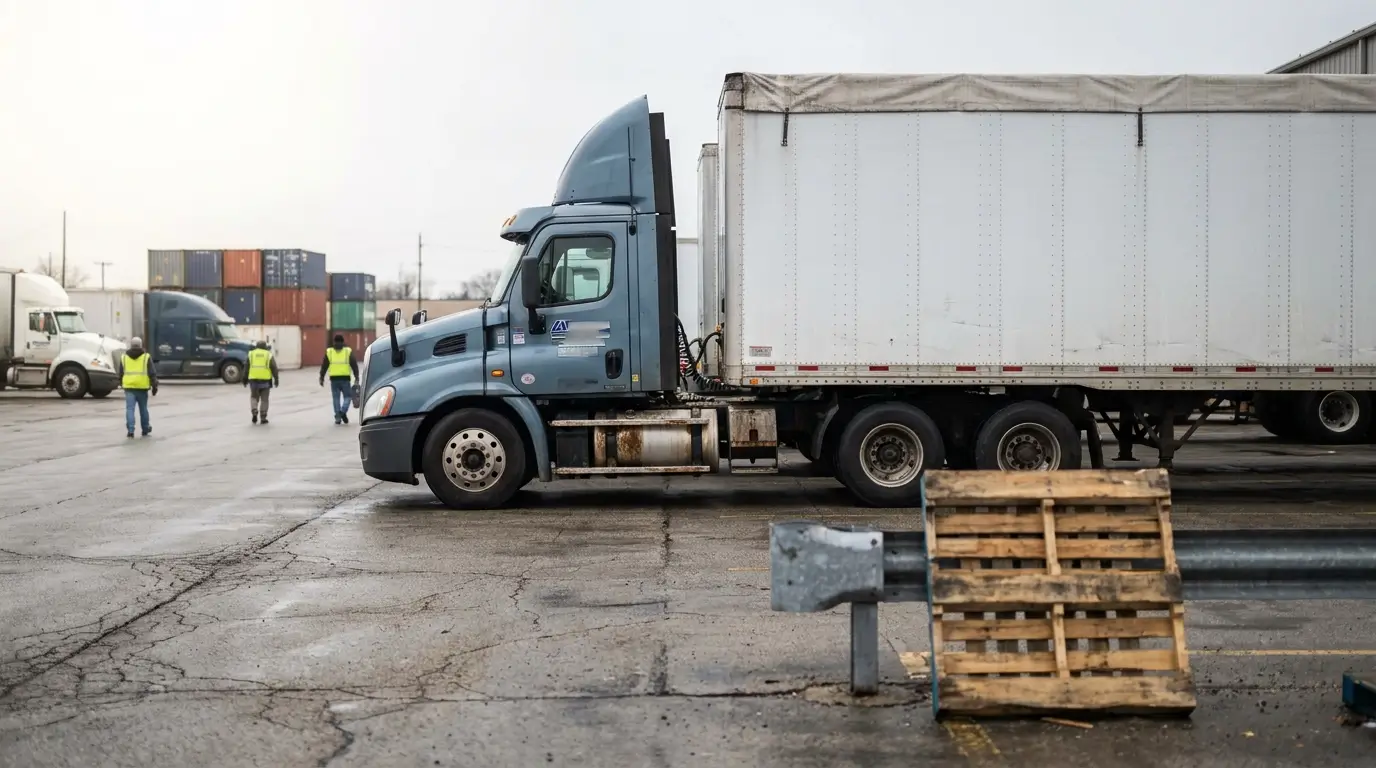
Suing Both the Driver and the Trucking Company After a Dayton Crash
If you or a loved one suffered serious injuries in a collision with a commercial truck in Dayton, Ohio, the answer is yes: you may be able to sue both the truck driver and the trucking company in the same lawsuit. This is not only possible under Ohio law but is often the standard approach. The legal doctrine of respondeat superior allows injured victims to hold an employer vicariously liable for wrongful acts of its employee when those acts occur within the scope of employment. The driver who caused the crash can also be held personally responsible for negligent conduct. Understanding how these claims work together is critical for anyone facing mounting medical bills, lost income, and uncertainty following a devastating truck collision in the Dayton area.
If you need guidance on your legal options, The Attkisson Law Firm is ready to help. Call 937-400-0000 or reach out online to discuss your case.

How Respondeat Superior Creates Trucking Company Liability in Ohio
The doctrine of respondeat superior is the legal foundation that allows injured victims to pursue claims against a trucking company for its driver’s negligence. Under this doctrine, an employer can be held vicariously liable for wrongful acts of an employee if those acts occur within the scope of employment. When a truck driver causes a crash while hauling freight or performing job duties, the trucking company that employs that driver may share legal responsibility.
Each state creates its own standards for applying respondeat superior, so the specific rules for your Dayton truck collision claim depend on Ohio law. When respondeat superior is invoked, a plaintiff typically seeks to hold both the employer and employee liable. This dual approach strengthens your ability to pursue full compensation for catastrophic injuries.
💡 Pro Tip: Keep detailed records of the trucking company’s name, driver information, and company markings immediately after a crash. This information is essential when identifying all potentially liable parties.
Why Multiple Liable Parties Matter in a Truck Accident Case
Truck accident cases in Dayton frequently involve more parties than typical car crashes. Beyond the driver and employer, other entities may bear responsibility. In the federal case Best v. Dante Gentilini Trucking, Inc., plaintiffs sued the truck driver, trucking company, the company that leased the truck, and the truck rental company, all jointly and severally. This illustrates how a single trucking accident can produce claims against multiple defendants.
Vehicle lessors and fleet owners may also face liability depending on state law. In some jurisdictions, legal ownership and common law liability do not automatically shift to a lessee. This means the company that owns the truck, the company that leased it, and the driver’s employer could all be proper defendants. An experienced Dayton truck crash lawyer can evaluate these relationships to determine which entities you may sue.
Joint and Several Liability and What It Means for Your Recovery
When multiple defendants are found liable, Ohio applies modified joint and several liability under ORC § 2307.22. A defendant found to bear more than 50 percent (i.e., greater than 50%) of total fault may be held jointly and severally liable for the plaintiff’s economic damages, meaning that defendant can be required to pay the full amount. A defendant found 50 percent or less at fault is liable only for their proportionate share of economic damages, and all defendants are liable only for their proportionate share of noneconomic damages regardless of fault level. Because trucking companies often bear significant fault percentages, this rule provides important protection for severely injured victims.
💡 Pro Tip: Don’t assume the truck driver alone can cover your injuries. Trucking companies carry significantly larger insurance policies, which is why naming the company as a defendant is crucial.
Ohio’s Statute of Limitations: A Deadline You Cannot Afford to Miss
Under Ohio Revised Code § 2305.10(A), an action for bodily injury shall be brought within two years after the cause of action accrues. This two-year statute of limitations applies directly to truck accident injury claims filed in Dayton. Missing this window will generally bar your lawsuit regardless of evidence strength.
This statute also covers product liability claims under ORC § 2305.10(A), relevant if a defective truck component contributed to the crash. In wrongful death cases, Ohio Revised Code § 2125.02(D) governs, requiring claims within two years of death. Courts interpret tolling exceptions narrowly, so don’t assume exceptions automatically apply.
💡 Pro Tip: Consult an attorney well before the two-year mark, even while receiving treatment. Gathering evidence from trucking companies, including electronic logging data and maintenance records, takes time and should begin immediately.
Survival of Actions Under Ohio Law
Ohio law provides for survival of legal actions under ORC § 2305.21. If a party to a truck accident lawsuit passes away during litigation, the case can continue rather than being dismissed. This is significant in cases involving catastrophic or fatal injuries where litigation extends over months or years.
Key Ohio Statutes That Apply to a Truck Accident Attorney in Dayton Cases
Several sections of the Ohio Revised Code directly govern commercial truck lawsuits filed in Dayton:
| Ohio Revised Code Section | What It Covers | Relevance to Your Claim |
|---|---|---|
| ORC § 2305.10 | Bodily injury, personal property injury, and product liability | Sets the 2-year filing deadline for injury and defective product claims |
| ORC § 2125.02(D) | Wrongful death actions | Governs fatal truck accident claims |
| ORC § 2305.21 | Survival of actions | Allows a lawsuit to continue if a party dies during litigation |
| ORC § 2305.52 | Hold harmless clauses in motor carrier transportation contracts | Voids as against public policy any provision that purports to indemnify, defend, or hold harmless a shipper (promisee) from liability resulting from the shipper’s own negligence or intentional acts |
| ORC § 2307.22 | Modified joint and several liability | Determines whether a defendant pays full or proportionate damages based on fault percentage |
| ORC § 2315.21 | Punitive and exemplary damages caps | Limits the amount of punitive damages a court may award |
| ORC § 2315.18 | Compensatory damages for noneconomic loss | Caps compensation for pain, suffering, and similar noneconomic harm |
Understanding these statutes helps you appreciate both opportunities and limits of your case. ORC § 2305.52 addresses hold harmless clauses in motor carrier transportation contracts, voiding as against public policy any provision that purports to indemnify, defend, or hold harmless a shipper (promisee) from liability resulting from the shipper’s own negligence or intentional acts. Damage caps under ORC § 2315.18 and 2315.21 may affect total recovery.
💡 Pro Tip: Damage caps don’t eliminate your right to significant compensation. Economic damages like medical expenses, lost wages, and future care costs are generally uncapped and often represent the largest recovery portion.
Building a Strong Case: Who Can Be Held Liable?
Identifying every potentially responsible party is crucial in a Dayton truck collision claim. Liable parties may include:
- The truck driver who caused the crash through negligence, fatigue, or impairment
- The trucking company that employed or contracted with the driver
- A vehicle leasing company that owned the truck
- A maintenance provider that failed to keep the truck safe
- A manufacturer of a defective truck part
Each party may owe a separate legal duty and may have breached that duty in ways that contributed to your injuries. Thorough early investigation can reveal violations such as hours-of-service infractions, inadequate driver training, or deferred maintenance. To learn more about trucking company liability, understand how Ohio courts analyze employer-employee relationships in these cases.
💡 Pro Tip: Trucking companies maintain required records, but evidence like electronic logging data and dashcam footage can be quickly deleted. Ask an attorney about sending a spoliation letter to preserve evidence immediately after the crash.
What to Expect When Pursuing a Commercial Truck Lawsuit in Dayton
Filing a truck accident claim in Dayton involves several stages and can be more complex than standard car accident cases. Trucking companies have legal teams and insurance adjusters working to minimize payouts from the moment a crash occurs. You may face early settlement offers that fall short of covering long-term medical needs, lost earning capacity, and pain and suffering.
Working with an attorney experienced in Ohio truck crash liability cases can significantly impact your outcome. Your attorney can investigate the crash, identify all liable parties, negotiate with multiple insurers, and if necessary, take your case to trial in Montgomery County Court of Common Pleas. Pursuing all available claims gives you the strongest position to seek fair compensation.
Frequently Asked Questions
1. Can I sue both the truck driver and the trucking company in Dayton, Ohio?
Yes, in many cases. Under respondeat superior, you may hold both the employee (driver) and employer (trucking company) liable if the driver was acting within the scope of employment. Courts generally allow plaintiffs to name both parties in the same lawsuit.
2. How long do I have to file a truck accident lawsuit in Dayton?
Under ORC § 2305.10(A), you generally have two years from the injury date to file. Wrongful death actions under ORC § 2125.02(D) must be filed within two years of death. Courts interpret exceptions narrowly, so timely action is essential.
3. What is joint and several liability, and how does it help me?
Under Ohio’s modified rules (ORC § 2307.22), a defendant found to bear more than 50 percent (greater than 50%) of total fault may be held jointly and severally liable for your economic damages. A defendant found 50 percent or less at fault is liable only for their proportionate share of economic damages, and noneconomic damages are allocated proportionately among defendants regardless of fault. This framework offers important protection when trucking companies bear significant fault.
4. Can I sue the company that leased or rented the truck?
Depending on the facts, vehicle lessors and owners may share liability. As demonstrated in Best v. Dante Gentilini Trucking, Inc., leasing and rental companies have been named as defendants alongside the driver and trucking company.
5. What types of damages can I recover in a Dayton truck accident case?
You may recover economic damages such as medical expenses, lost wages, and future care costs, plus noneconomic damages for pain and suffering. Ohio law imposes caps on noneconomic and punitive damages under ORC § 2315.18 and 2315.21, but economic damages are generally uncapped.
Protecting Your Rights After a Serious Truck Crash in Dayton
A devastating truck accident can change your life instantly, leaving you with serious injuries, financial pressure, and difficult legal questions. Ohio law provides meaningful avenues for holding negligent drivers, trucking companies, and other responsible parties accountable. The key is to act promptly, preserve evidence, and ensure every liable party is identified and pursued.
The Attkisson Law Firm is here to help Dayton truck accident victims and their families navigate this process. Call 937-400-0000 or contact us today to discuss your case and learn how we can fight for the compensation you deserve.