
Understanding Invisible Brain Injuries After a Dayton Crash
Key Takeaways: A clean CT scan does not rule out a brain injury because CT technology is calibrated for urgent structural damage like fractures and bleeding and can miss microscopic or delayed injuries. A skilled Dayton attorney can prove such injuries by assembling consistent evidence: follow-up MRI imaging, neuropsychological testing, witness accounts of behavioral changes, and detailed medical records. Ohio law supports these claims through statutes allowing compensatory damages, including noneconomic losses like pain and suffering, though noneconomic awards are subject to statutory limits. Brain injuries exist on a spectrum, and delayed symptoms that worsen after a clean scan can strengthen your case. Documenting symptoms early through a daily journal is critical. Ohio generally allows two years to file a bodily injury claim, so acting promptly is essential.
Yes, a skilled attorney can often prove a brain injury even when a CT scan looks clean. A negative scan does not mean nothing is wrong; it means one test did not capture the damage. Many who suffer a traumatic brain injury after car accident Dayton, Ohio leave the emergency room with normal imaging, only to struggle later with memory, mood, and concentration. Ohio law focuses on the reality of your harm, not on whether a single image shows it.
If you or a loved one is coping with unexplained symptoms, guidance matters. The team at The Attkisson Law Firm helps injured Ohioans understand their options. Call 937-400-0000 or reach out through the firm’s online contact page to discuss your situation.

Why a CT Scan May Miss a Traumatic Brain Injury After Car Accident Dayton, Ohio
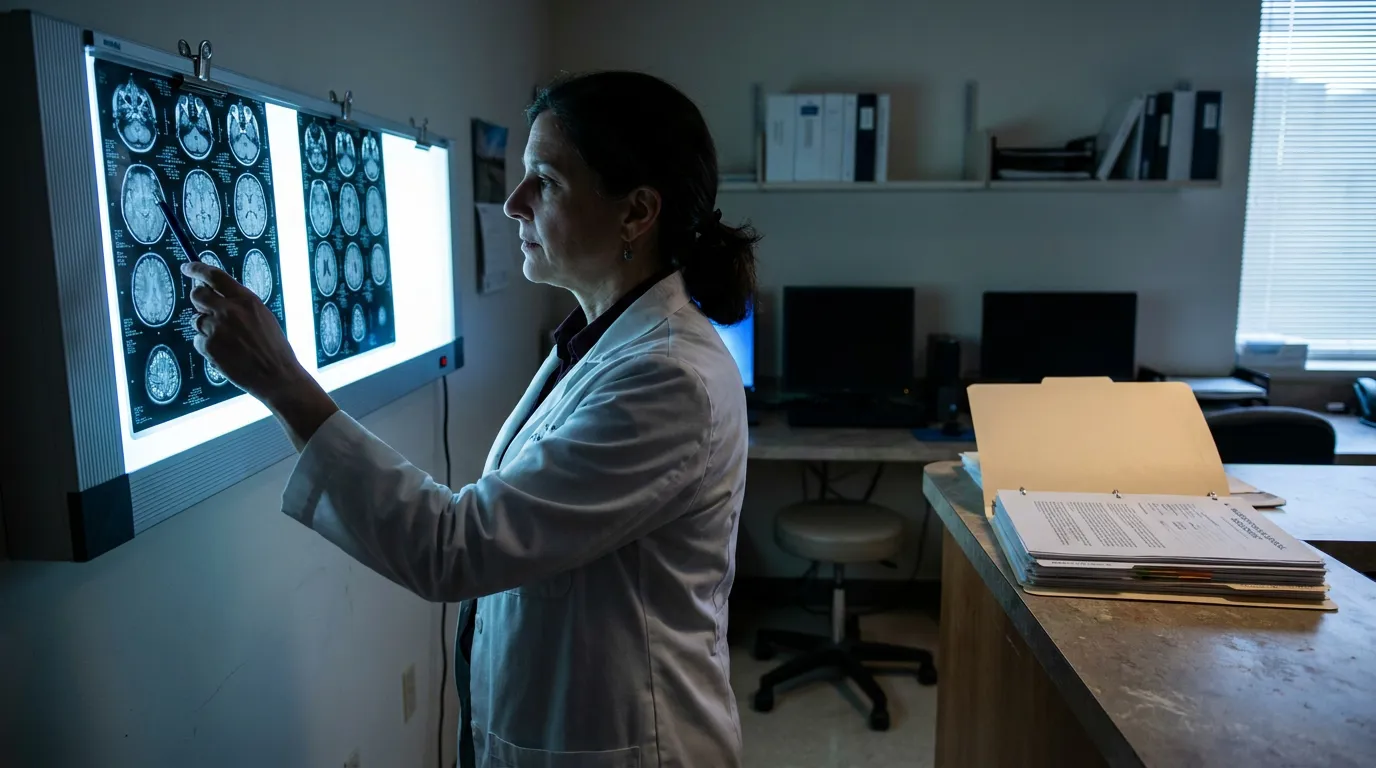
A CT scan is powerful, but it is not designed to catch every kind of brain damage. It excels at spotting urgent, structural problems requiring immediate attention. Subtler injuries, however, can hide from this technology, which is why a CT scan negative TBI is a common and frustrating experience for crash victims.
How CT Scans Work in the ER
Emergency doctors use CT scans first because they deliver fast, life-saving answers. According to Mayo Clinic guidance, a CT scan for brain injury is usually the first test performed in an emergency room and can quickly visualize fractures and reveal bleeding, blood clots, bruised tissue, and swelling. The focus on bleeding and fractures is invaluable in a crisis. The trade-off is that CT scans are calibrated for gross structural damage, so microscopic or chemical injuries to brain cells may not register.
Doctors also gauge severity independently of imaging. The Glasgow Coma Scale, a 15-point assessment of a patient’s ability to follow directions, move, and speak coherently, helps measure initial injury severity. A different picture often emerges over time, which is where MRI and other tools become important.
When Damage Develops After the Initial Scan
Some of the most serious brain damage does not appear at the moment of impact. The brain can undergo a delayed reaction, swelling in what is called a secondary injury that is often more damaging than the primary injury. An early CT scan taken minutes after a crash cannot show harm that has not fully developed.
Imaging often continues after a patient stabilizes. An MRI may be used once a person’s condition settles or when symptoms fail to improve, which underscores that CT is not the definitive test for every brain injury. If your first scan was clean but symptoms are worsening, that pattern can actually support your account rather than undermine it.
💡 Pro Tip: Keep a daily symptom journal noting headaches, sleep changes, irritability, and memory lapses. A dated record created close in time to your crash can become persuasive evidence when imaging is inconclusive.
How Ohio Law Recognizes Harm You Cannot See
Ohio’s civil framework compensates real harm, including harm that no machine can photograph. A brain injury lawsuit proceeds as a tort action, which Ohio Rev. Code § 2307.011(J) defines as a civil action for damages for injury, death, or loss to person or property. Your invisible brain injury Ohio claim fits squarely within this structure.
Ohio tort law authorizes recovery for the personal consequences of an injury. Under Ohio Rev. Code § 2315.18, a person who prevails in a tort action may recover compensatory damages for both economic and noneconomic loss. Ohio caps most noneconomic awards, generally at the greater of $250,000 or three times the economic loss, up to a $350,000-per-plaintiff limit, with exceptions for catastrophic injuries such as permanent and substantial physical deformity or permanent injury preventing independent self-care.
Compensating the Losses That Do Not Show on Film
Ohio expressly treats nonpecuniary harm as compensable, which is central to proving brain injury Dayton victims experience. The Ohio noneconomic loss definition in Ohio Rev. Code § 2307.011(E) includes pain and suffering and the loss of society, companionship, care, and guidance. For someone whose cognitive, emotional, and behavioral symptoms never appear on a scan, this recognition is significant. Brain injury severity exists on a spectrum, ranging from mild concussions to severe brain damage, so subtler injuries are not less legitimate; they are simply harder to detect.
These definitions apply across Ohio’s tort chapters, establishing how the trier of fact, the jury or, in a nonjury case, the court, evaluates your claim. Because these standards are set by statute, they give a Dayton auto accident attorney a clear legal foundation.
Building Proof of an Invisible Brain Injury
Proving a brain injury without a smoking-gun scan relies on assembling many consistent pieces of evidence. No single document usually carries a case; instead, the picture emerges from medical, personal, and documentary sources working together.
Categories of proof that frequently strengthen a TBI diagnosis Dayton claim:
- Follow-up imaging, such as an MRI performed after the patient stabilizes, which may reveal changes an early CT missed.
- Neuropsychological testing that objectively measures memory, attention, and processing speed.
- Lay witness testimony from family, coworkers, and friends describing personality and behavioral changes.
- Consistent medical records documenting symptoms reported soon after the collision and over time.
- Employment and school records reflecting performance decline after the crash.
Survivors can face lasting effects on their physical and mental abilities, as well as their emotions and personality. Documenting those changes carefully and early tends to make the difference in how persuasively a claim can be presented. To understand the medical and legal basics, many readers find it helpful to review this overview of a traumatic brain injury after car accident Dayton, Ohio.
Why Credible Supporting Authority Matters
Courts and insurers respond to well-supported arguments, so the quality of your sources counts. Ohio-based academic scholarship, such as work published by the University of Akron School of Law in the Akron Law Review, can serve as credible authority on standards for injury proof and evidence admissibility in Ohio courts. A Dayton car crash injury lawyer can use these resources to frame arguments about why an invisible injury deserves full and fair treatment.
Deadlines That Protect Your Ohio Brain Injury Claim
Timing can quietly decide whether a strong brain injury claim Ohio victims hold ever reaches a courtroom. Under Ohio Rev. Code § 2305.10(A), an action for bodily injury generally must be brought within two years after the cause of action accrues. This civil statute of limitations generally applies regardless of when imaging finally confirms the injury, so a delayed diagnosis does not automatically extend your window.
Ohio recognizes limited circumstances in which deadlines may be affected, but courts interpret such exceptions narrowly, and they do not apply automatically. Do not assume that tolling or a discovery-based extension will save a late claim. Also note that any government administrative claim deadlines are separate from this civil filing period and can be much shorter.
| Imaging Tool | Typical Timing | Best At Detecting |
|---|---|---|
| CT scan | First test in the ER | Fractures, bleeding, hematomas, swelling |
| MRI | After the patient stabilizes | Subtler changes when symptoms persist |
| Glasgow Coma Scale | At initial assessment | Severity based on responsiveness, not imaging |
💡 Pro Tip: Ask your treating providers whether follow-up imaging is appropriate if symptoms persist. A documented medical recommendation for further testing helps connect your ongoing complaints to the original crash.
For victims sorting through liability and insurance questions after a collision, this resource for a Dayton auto accident attorney offers additional context on how these cases proceed.
Frequently Asked Questions
1. Does a normal CT scan mean I do not have a brain injury?
No, a normal CT scan does not rule out a brain injury. CT scans detect fractures, bleeding, and swelling quickly but can miss subtler injuries. Symptoms that develop or worsen over the following days may point to harm the early scan could not capture.
2. What symptoms suggest a brain injury the scan may have missed?
Persistent or worsening cognitive and emotional symptoms are common warning signs. These include memory problems, difficulty concentrating, headaches, irritability, sleep disturbances, and personality changes. Reporting these symptoms to a doctor promptly is important.
3. Can I recover compensation for a brain injury that does not appear on imaging?
In many cases, yes, subject to the facts and applicable law. Ohio Rev. Code § 2315.18 allows recovery of compensatory damages for both economic and noneconomic loss (subject to statutory caps on most noneconomic damages), and Ohio Rev. Code § 2307.011(E) recognizes noneconomic losses like pain and suffering. Proof generally rests on combining medical, testimonial, and documentary evidence.
4. How long do I have to file a brain injury claim in Ohio?
Ohio generally provides a two-year window for bodily injury claims. Under Ohio Rev. Code § 2305.10(A), the clock typically starts when the cause of action accrues. Exceptions are applied narrowly, so acting promptly protects your rights.
5. Why do I need imaging beyond a CT scan?
Additional imaging can reveal damage that develops after the initial trauma. An MRI may be used once your condition stabilizes or when symptoms do not improve, because the brain can undergo delayed swelling that an early CT scan cannot show.
Protecting Your Recovery After a Dayton TBI
A clean CT scan is not the end of your story, and it should not be the end of your claim. Ohio law recognizes that genuine, life-altering brain injuries can exist without dramatic images, and it provides a statutory framework for pursuing fair compensation for both economic and noneconomic harm, subject to statutory limits on certain noneconomic damages. Success depends on documenting symptoms early, obtaining appropriate follow-up care, and meeting the applicable filing deadline.
If an invisible injury is disrupting your life after a crash, do not wait to protect your rights. Reach out to The Attkisson Law Firm by calling 937-400-0000 or by using the firm’s confidential contact form to discuss how Ohio law may apply to your situation.