
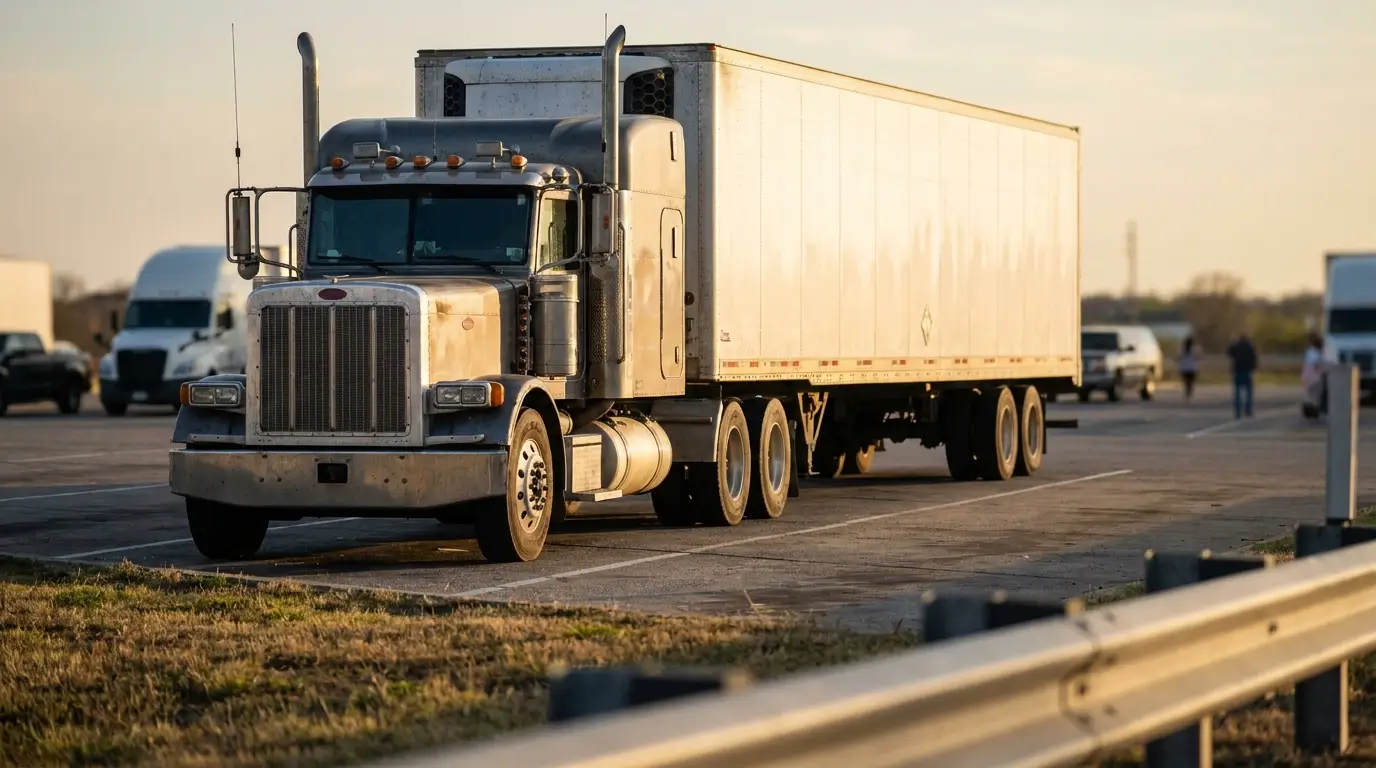
Why Rear-End Truck Collisions in Dayton Demand Serious Legal Attention
A rear-end collision with a commercial truck can change your life in an instant. Unlike a fender-bender between two passenger cars, the sheer size and weight of a semi-truck or tractor-trailer can cause catastrophic injuries, even at moderate speeds. If you or a loved one has been hurt in a rear-end truck crash in the Dayton, Ohio area, you may be facing mounting medical bills, time away from work, and pressure from insurance companies eager to settle for less than you deserve. A truck accident attorney in Dayton can help you understand your rights, preserve critical evidence, and pursue the full compensation your case may warrant.
If you need immediate guidance after a truck collision, The Attkisson Law Firm is ready to help. Call 937-400-0000 or reach out online to discuss your situation.

The Growing Danger of Large Truck Crashes in Ohio
Truck collisions are not becoming less common; they are getting worse. According to the FMCSA, there were over 5,000 fatality crashes involving heavy trucks in 2021, and 79% of those involved multiple vehicles. That multi-vehicle category is exactly where rear-end collisions fall. Even more alarming, large truck crash data from the FMCSA shows that over the last ten years, large trucks involved in crashes rose 82% while miles traveled increased only 14%. Ohio ranks among the top five states for fatal large truck crashes, making this a pressing concern for anyone driving on Dayton-area highways like I-70 and I-75.
💡 Pro Tip: After any truck collision, request a copy of the police report as soon as it becomes available. This document often contains the officer’s initial assessment of fault, witness statements, and details about the truck and its driver that can be difficult to obtain later.
How Fault Works in an Ohio Rear-End Truck Crash
Many people assume the rear driver is always at fault in a rear-end collision, but Ohio law takes a more nuanced approach. While the trailing vehicle often bears liability, several factors can shift or distribute fault. A truck driver may have been following too closely, driving while fatigued, or violating federal hours-of-service regulations. The trucking company itself could be liable for poor vehicle maintenance or inadequate driver training. Ohio follows a modified comparative negligence framework under ORC § 2315.33, which allows courts to examine each party’s share of responsibility. If a plaintiff is found to be 51% or more at fault, they are completely barred from recovering any damages. If the plaintiff’s fault is 50% or less, their recoverable compensation is reduced in proportion to their percentage of fault. Understanding rear-end collision fault in Ohio is essential before accepting any settlement offer.
Multiple Parties May Share Liability
In truck accident cases, liability often extends beyond the driver behind the wheel. The trucking company, a cargo loading contractor, or even a parts manufacturer could share responsibility. An experienced Dayton truck crash lawyer will investigate all potentially liable parties to build the strongest possible claim on your behalf.
Evidence That Can Make or Break Your Case
Truck accidents generate a unique body of evidence that does not exist in typical car crashes. Electronic logging devices, black box data, driver qualification files, maintenance logs, and cargo manifests can all reveal negligence. However, trucking companies are not required to preserve this evidence indefinitely. Acting quickly to send a spoliation letter can prevent the destruction of records that may prove your case.
💡 Pro Tip: Write down everything you remember about the crash as soon as you are physically able. Details like weather conditions, the truck’s speed, and whether its brake lights were functioning can fade from memory quickly but may prove critical to your claim.
Ohio’s Statute of Limitations for Truck Accident Injuries
Time limits apply to every truck accident claim in Dayton, and missing a deadline can permanently bar your right to compensation. Under Ohio Revised Code § 2305.10(A), an action for bodily injury must be brought within two years after the cause of action accrues. In most rear-end truck collision cases, that clock starts ticking on the date of the crash itself.
Tolling Exceptions You Should Know About
While two years is the general rule, limited exceptions may extend or pause the deadline under certain circumstances. Under ORC § 2305.16, if the injured person is a minor or of unsound mind when the cause of action accrues, the statute of limitations may be tolled until that disability is removed. Additionally, under ORC Chapter 2305, if the defendant leaves Ohio, absconds, or conceals themselves, the limitations period may not begin to run until they return to the state. Courts generally interpret these exceptions narrowly, so you should not assume tolling applies without consulting an attorney.
| Claim Type | Time Limit | Ohio Statute |
|---|---|---|
| Bodily injury / personal injury | 2 years | ORC § 2305.10 |
| Wrongful death | 2 years | ORC § 2125.02 |
| Survival action (injuries to person/property) | 2 years | ORC § 2305.10, § 2305.21 |
💡 Pro Tip: Even if you believe you have time remaining on the statute of limitations, starting the legal process early gives your attorney the best opportunity to preserve evidence, interview witnesses, and build a compelling case before memories fade and records disappear.
What a Truck Accident Attorney in Dayton Can Do for Your Case
Hiring a truck accident attorney in Dayton is not just about filing paperwork; it is about leveling the playing field against well-funded trucking companies and their insurers. Trucking companies typically dispatch rapid-response teams to crash scenes, and their insurance adjusters begin building a defense before you even leave the hospital. A Dayton truck accident lawyer with experience handling these cases can:
- Conduct an independent investigation of the crash scene, including obtaining surveillance footage and hiring accident reconstruction professionals when necessary
- Identify all liable parties, from the driver and carrier to maintenance contractors and cargo loaders
- Calculate the full scope of your damages, including future medical care, lost earning capacity, and pain and suffering
- Handle communications with insurance companies so you do not inadvertently undermine your own claim
- File suit within the applicable statute of limitations to protect your right to recovery
Wrongful Death and Survival Actions After a Fatal Truck Crash
When a rear-end truck collision results in death, Ohio law provides a path for surviving family members to seek justice. Under ORC § 2305.21, causes of action for injuries to the person survive the death of the injured party; this allows survival actions to proceed and permits the decedent’s estate to recover compensation for medical expenses and pain and suffering incurred before death. Separately, under ORC § 2125.02, wrongful death actions allow surviving family members to recover damages such as funeral and burial expenses, loss of support, and loss of companionship.
💡 Pro Tip: If a loved one died in a truck collision, be aware that the wrongful death statute of limitations is separate from any criminal proceedings against the driver. Do not wait for a criminal case to conclude before exploring your civil options.
Protecting Your Rights After a Semi-Truck Rear-End Accident in Ohio
The steps you take immediately after a truck collision can significantly impact the outcome of your case. Beyond seeking prompt medical attention, you should avoid giving recorded statements to the trucking company’s insurer without legal counsel. Insurance adjusters are trained to ask questions designed to minimize the company’s exposure. Even a well-intentioned comment like "I feel fine" can be used later to argue your injuries were not serious.
You should also understand that Ohio’s modified comparative negligence rules mean the other side will look for any reason to assign fault to you. If you are found to bear a percentage of responsibility, your recoverable damages will be reduced proportionally, and if your fault reaches 51% or more, you will be barred from recovering any compensation at all. In cases where fault is contested, knowing when to hire a truck accident attorney can make a meaningful difference in how your claim is evaluated and resolved.
💡 Pro Tip: Keep a dedicated folder, whether physical or digital, for all documents related to your truck accident. This should include medical records, bills, correspondence with insurers, photos of injuries and vehicle damage, and any communication from the trucking company.
Frequently Asked Questions
1. How long do I have to file a truck accident claim in Dayton, Ohio?
What is the filing deadline for an injury claim?
Under ORC § 2305.10(A), you generally have two years from the date of the accident to file a personal injury lawsuit. Missing this deadline may permanently prevent you from pursuing compensation, though limited tolling exceptions may apply in certain circumstances.
2. Who can be held liable in a rear-end truck collision?
Can I sue the trucking company, not just the driver?
Yes, in many cases. Liability may extend to the trucking company, maintenance providers, cargo loaders, and other parties depending on the facts. An attorney can investigate the full chain of responsibility.
3. What if the truck driver or trucking company is based out of state?
Does the statute of limitations still apply the same way?
Ohio law under ORC § 2305.15(A)(1) provides that the limitations period may be tolled if the defendant is out of state. However, courts interpret this exception narrowly, and modern long-arm jurisdiction rules may affect how it applies in practice.
4. What types of compensation can I recover after a truck crash?
What damages are available in Ohio?
Depending on the facts of your case, you may be able to recover compensation for medical expenses, lost wages, diminished earning capacity, pain and suffering, and emotional distress. In wrongful death cases, families may also recover for loss of support and companionship.
5. Will the trucking company’s insurance company offer me a fair settlement?
Should I accept the first settlement offer?
In most cases, initial settlement offers from trucking company insurers do not reflect the full value of serious injury claims. These offers are often made before the complete extent of injuries is known. Having legal representation can help ensure your claim is properly valued.
Taking the Next Step Toward Recovery After a Dayton Truck Collision
A rear-end truck collision can leave you dealing with painful injuries, overwhelming bills, and an uncertain future. Ohio law provides important protections for crash victims, but those protections come with strict deadlines and complex procedural requirements. Understanding your rights early, preserving evidence quickly, and working with a truck accident attorney in Dayton who has experience handling these cases can position you to pursue the compensation you need to move forward.
The Attkisson Law Firm helps individuals and families across the Dayton area navigate truck accident claims. Call 937-400-0000 or contact us today to discuss your case and learn how we may be able to help.