
When a Vehicle Defect Turns a Routine Drive Into a Serious Injury
Key Takeaways: A Dayton attorney can help after a defective vehicle causes a crash, because Ohio’s product liability statutes in ORC Chapter 2307 create a structured path to compensation. Liability can extend beyond the vehicle manufacturer to component makers, suppliers, dealerships, and any at-fault driver. Under ORC 2307.78, a supplier may be treated as the manufacturer when the maker is insolvent or beyond Ohio’s courts. Most claims must be filed within two years under ORC 2305.10, subject to narrow tolling exceptions and a ten-year statute of repose. When a defect causes a fatal crash, the decedent’s personal representative may pursue a wrongful death claim under Chapter 2125. Because these cases demand preserved evidence, engineering analysis, and proof of causation, early legal guidance makes a meaningful difference.
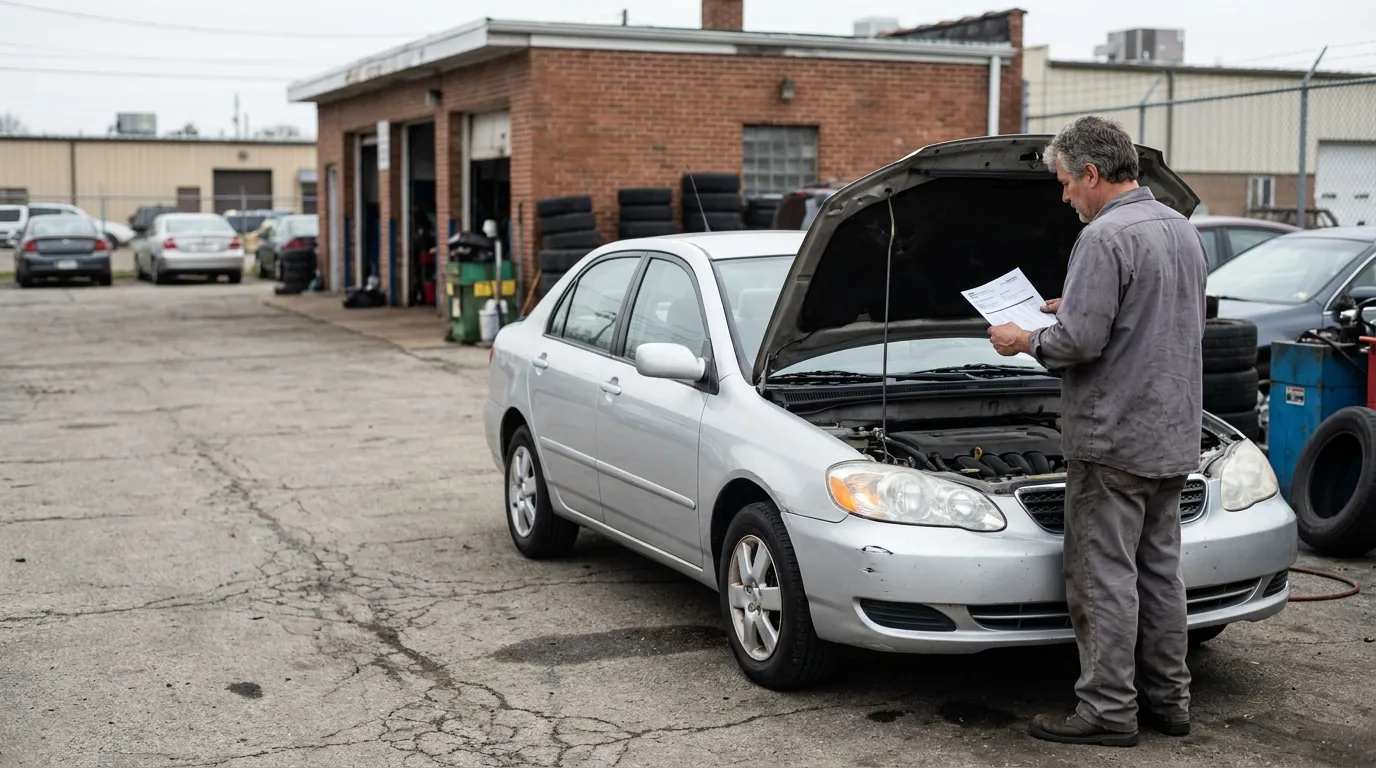
A Dayton attorney can help after a defective vehicle causes a crash, and Ohio law provides a specific framework for pursuing recovery. When a faulty airbag, brake failure, tire separation, or defective steering component contributes to a collision, the injured person may have a claim against both another driver and the manufacturer or supplier of the defective part. Ohio’s product liability statutes create a structured path to compensation, and understanding that path early can make a meaningful difference.
If you or a loved one suffered serious harm in a defect-related collision, the team at The Attkisson Law Firm is ready to review your situation. Call us at 937-400-0000 or reach out through our confidential online contact form to discuss your options.
How Ohio Defines a Defective Vehicle Product Liability Claim
Ohio treats a defective vehicle case as a distinct type of legal claim governed by statute rather than general negligence principles alone. Under Ohio law (ORC 2307.71(A)(13)), a "product liability claim" means a claim or cause of action asserted in a civil action pursuant to sections 2307.71 to 2307.80 of the Revised Code that seeks to recover compensatory damages from a manufacturer or supplier for death, physical injury to person, emotional distress, or physical damage to property other than the product in question, that allegedly arose from the design, formulation, production, construction, creation, assembly, rebuilding, testing, or marketing of that product. A crashworthiness failure, defective component, or manufacturing error can all fall within this definition.
The statute also covers problems with warnings and instructions, not just physical defects. A claim may arise from any warning or instruction, or lack thereof, associated with that product. This matters when a manufacturer knew of a hazard but failed to adequately alert owners.
Motor vehicles and their components clearly qualify as "products" under this framework. The statute defines a product as tangible personal property produced for introduction into trade and intended for sale or lease. Cars, trucks, tires, and replacement parts all fit this definition.
Why the Statutory Scheme Replaces Common Law Claims
Ohio’s product liability statutes largely replace older common law rules. The legislature declared that sections 2307.71 to 2307.80 are intended to abrogate all common law product liability claims or causes of action. This means a defective vehicle injury claim in Ohio is governed by the statutory scheme in Ohio Revised Code Chapter 2307, and understanding these provisions is central to building a strong case.
Who Can Be Held Responsible for a Faulty Auto Parts Crash in Dayton
Liability in a vehicle defect case can extend beyond the manufacturer to suppliers such as dealerships and parts distributors. Under ORC 2307.78(A), a supplier is subject to liability for compensatory damages if the claimant establishes that the supplier was negligent and that negligence proximately caused the harm, or that the product failed to conform to a representation the supplier made.
In certain situations, Ohio allows a supplier to be treated as if it were the manufacturer itself. Under ORC 2307.78(B), a supplier may be liable as a manufacturer when the manufacturer is not subject to judicial process in this state, or the claimant will be unable to enforce a judgment against the manufacturer due to actual or asserted insolvency. For victims facing a foreign or bankrupt automaker, this provision preserves a realistic route to compensation.
Potential defendants in a vehicle defect injury claim may include several parties. A thorough investigation often looks at:
- The vehicle manufacturer responsible for design or assembly defects
- A component manufacturer that produced a faulty part
- A supplier, distributor, or dealership that sold or represented the product
- Any at-fault driver whose negligence combined with the defect to cause the crash
Because responsibility can be shared, identifying every accountable party early helps protect the full value of a claim. A knowledgeable Dayton car accident attorney can help map out which defendants belong in a defect case.
The Two-Year Deadline and Its Narrow Exceptions
Ohio generally requires defect and injury lawsuits to be filed within two years. Under Section 2305.10, any lawsuit based on personal bodily injury, product liability, or damage to personal property must be brought within two years from the date the cause of action accrues. For a Dayton crash victim, that clock generally starts at the time of injury, making prompt action important.
Ohio recognizes limited tolling situations that can extend the filing period, but courts interpret these narrowly. For example, where a claimant has a legal disability described in ORC 2305.16, the action may be commenced within two years after the disability is removed. Tolling does not apply automatically, and whether it applies depends on specific facts.
A separate outer limit, called the statute of repose, can bar older claims regardless of when injury occurs, subject to limited statutory exceptions. Under ORC 2305.10(C)(1), no cause of action based on a product liability claim shall accrue against the manufacturer or supplier later than ten years from the date the product was delivered to its first purchaser. You can review the full text through the Ohio Revised Code Section 2305.10.
💡 Pro Tip: Preserve the vehicle and its damaged components exactly as they are after a serious crash. In a product liability car accident Ohio case, the physical evidence itself often becomes the most important proof of a defect.
Why a Car Accident Attorney Dayton, Ohio Victims Trust Makes a Difference
Defective vehicle cases combine complex statutory rules with demanding evidence requirements. These claims frequently require preserving the vehicle, retaining engineering analysis, and coordinating medical proof of serious injury. Reviewing the kinds of proof that support a strong case can help, such as the guidance in this resource on evidence that supports a Dayton crash claim.
A skilled Dayton auto defect lawyer focuses on connecting the defect to your injuries through causation. In defect cases that often means demonstrating how a component failed and why that failure led to the collision. This analysis is fact-intensive, and outcomes depend on specific circumstances.
Compensation Available in a Serious Defect Case
Ohio product liability law focuses on compensatory damages for serious harm, including death and physical injury. These claims address the real consequences of a defect-related crash, such as medical treatment, long-term care needs, lost income, and the profound losses that follow catastrophic injury. The strength of medical and economic evidence often shapes the value of a claim.
Pursuing a Claim After a Fatal Defect-Related Crash
When a vehicle defect causes a fatal collision, Ohio law allows the decedent’s personal representative to pursue a claim for the benefit of the surviving family. A product liability claim may be asserted on behalf of the surviving spouse, children, parents, or other next of kin of a decedent as a claim in a wrongful death action under Chapter 2125.
Wrongful death claims arising from defects carry their own timing and procedural considerations. These cases blend product liability rules with wrongful death law. Families should seek guidance promptly, because deadlines and evidence preservation are critical in fatal-crash claims.
| Claim Element | What It Generally Involves |
|---|---|
| Defect | Design, manufacturing, or warning-related failure |
| Causation | Link between the defect and the serious injury or death |
| Proper Defendant | Manufacturer, and in some cases a supplier |
| Timing | Two-year limit, subject to a ten-year repose period |
Frequently Asked Questions
-
Can I sue if another driver hit me but my car also had a defect?
Yes, both an at-fault driver and a product manufacturer or supplier can be pursued. Ohio negligence rules and product liability statutes can apply together when multiple causes contributed to a serious crash.
-
What if the vehicle manufacturer is bankrupt or based overseas?
Ohio provides a route to hold a supplier accountable in those situations. Under ORC 2307.78(B), a supplier may be treated as the manufacturer when the manufacturer is not subject to Ohio’s courts or is insolvent.
-
How long do I have to file a defective vehicle claim in Ohio?
Generally two years from the date the cause of action accrues under ORC 2305.10. Limited tolling may apply in narrow circumstances, but a separate ten-year statute of repose can bar older claims, so early legal review is important.
-
Does Ohio product liability law cover missing safety warnings?
Yes, a claim can arise from an inadequate or missing warning or instruction. ORC 2307.71(A)(13)(b) recognizes claims based on the lack of warning or instruction associated with a product.
-
Can my family file a claim if a defect caused a fatal crash?
Yes, Ohio permits a wrongful death product liability claim. Under ORC 2307.71 and Chapter 2125, the claim must be brought by the decedent’s personal representative for the benefit of surviving family members.
Protecting Your Rights After a Defect-Related Collision
A defective vehicle crash raises legal questions far more complex than a routine collision, but Ohio law gives injured people and families real avenues for recovery. From identifying the right defendants under ORC 2307.78 to meeting the deadlines in ORC 2305.10 and pursuing wrongful death claims under Chapter 2125, these cases reward early, careful action. Because every outcome depends on specific facts, timely legal guidance can help protect both your evidence and your rights.
If a defective vehicle caused serious injury or the loss of someone you love, The Attkisson Law Firm is prepared to help you understand your options and pursue full and fair compensation. Call us today at 937-400-0000 or contact our team through our secure case review request to take the next step.