
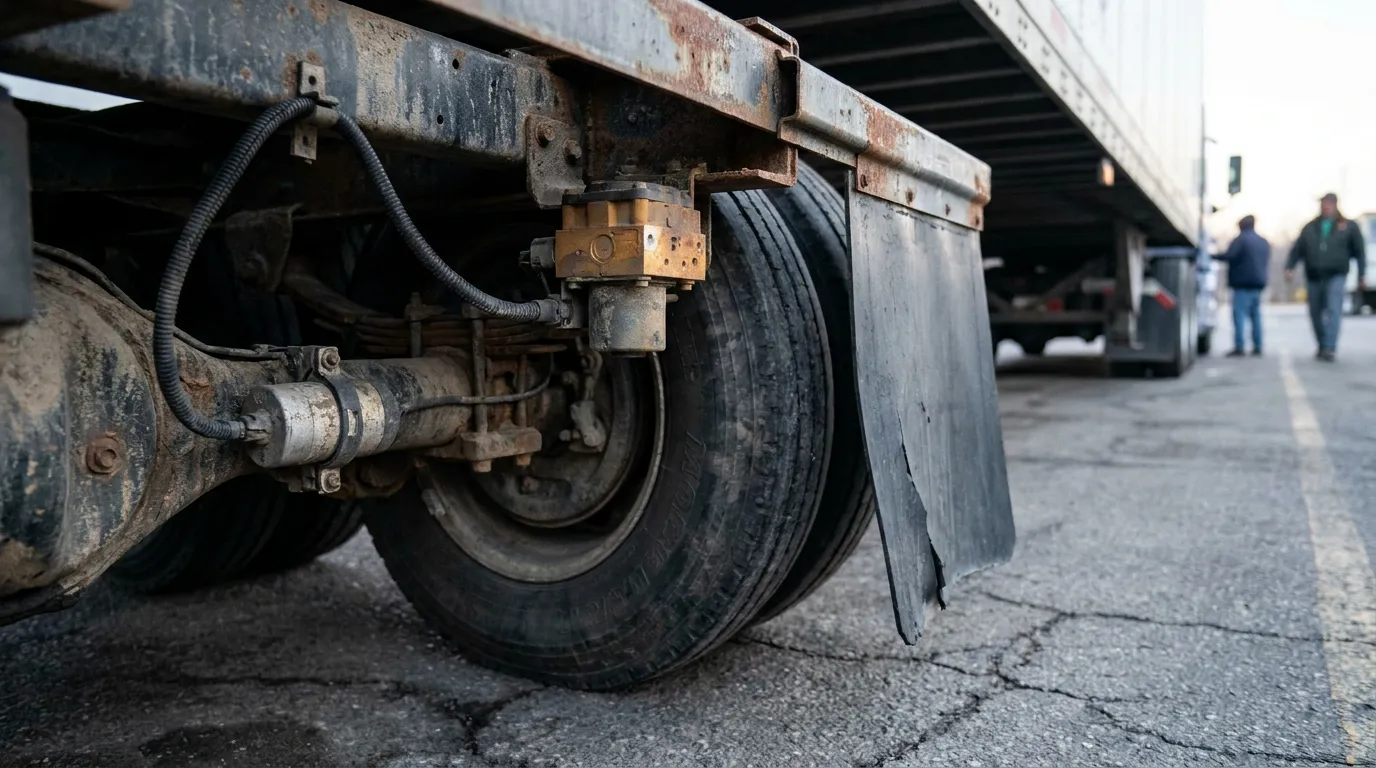
When a Truck’s Safety Technology Fails on a Dayton Highway
Key Takeaways: A failed anti-skid system can help your jackknife injury claim, but only if you can prove the failure and show that it helped cause the crash. Federal law under 49 CFR § 393.55 requires antilock brakes on many commercial vehicles built after set dates, and 49 CFR § 396.7 generally bars operating a vehicle in a condition likely to cause a crash. A disabled or ignored system may support a negligence claim against the trucking company or driver. Ohio product liability law may also let injured people pursue the maker of a defective ABS or ESC part, but you generally must identify the company that made the specific unit. If the crash destroyed the part, Ohio generally allows indirect evidence of the defect. Most claims must be filed within two years, and Ohio’s 10-year statute of repose may also bar product claims unless an exception applies. Acting early to preserve evidence can make a big difference.
A failed anti-skid system can strengthen your jackknife injury claim, but only if you can prove the failure and tie it to the crash. Modern commercial trucks rely on antilock brakes, and many newer tractors also use electronic stability control, to keep the trailer in line during hard braking, sharp curves, or slick roads. When that technology fails, the trucking company, the maintenance provider, or the maker of the defective part may share legal responsibility for your injuries. Strict deadlines and proof rules apply.
If you or someone you love suffered serious injuries in a jackknife crash, you do not have to sort through these questions alone. The Attkisson Law Firm can review your situation and help identify every party that may be responsible. Call 937-400-0000 or contact us now to discuss your options.
How Anti-Skid Systems Are Supposed to Prevent Jackknifing
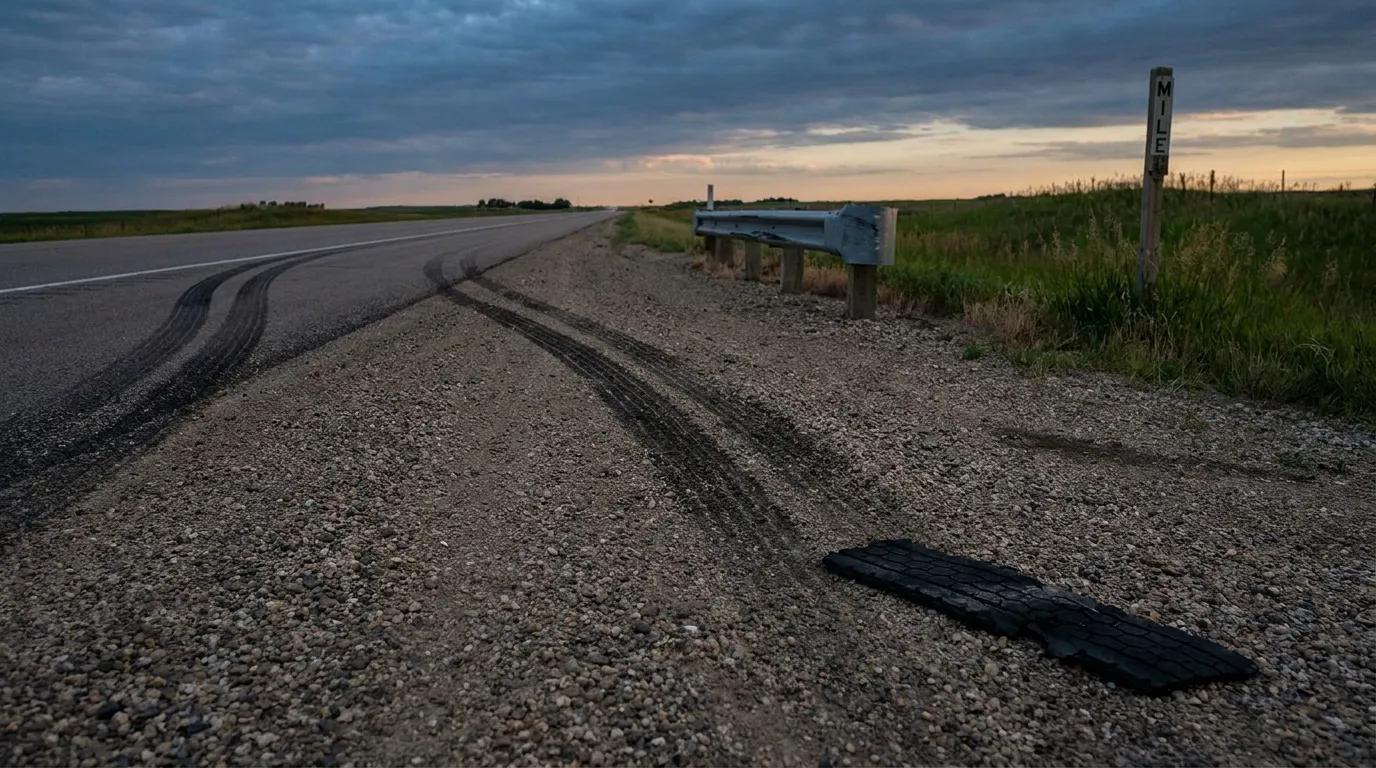
Antilock brakes and stability control work together to keep a tractor-trailer under control. A jackknife generally happens when the tractor’s wheels lock or lose traction and the trailer swings out, folding toward the cab. Antilock braking systems (ABS) help keep wheels from locking, and electronic stability control (ESC) can apply the brakes or cut engine power when sensors detect a skid or rollover risk. When either fails, a driver may lose control within seconds.
Federal ABS Requirements Apply to Trucks in Dayton
Federal law requires certain truck tractors, trailers, and trucks to have antilock brakes. Under 49 CFR § 393.55, part of the Federal Motor Carrier Safety Regulations (FMCSR), commercial vehicles built on or after set dates must have ABS that meets the federal standard. These antilock brake system rules generally apply to many trucks on I-75, I-70, and local Dayton roads, and Ohio has adopted many federal safety rules for intrastate carriers. Vehicles built before the set dates may not need ABS.
A faulty or disabled anti-skid system that helped cause a crash could break federal rules. Lawyers often use violations of FMCSR equipment and maintenance rules to support a negligence claim against the trucking company or driver. Ohio courts differ on whether breaking a federal rule is negligence by itself or only evidence of negligence. Either way, the violation generally must have caused the crash. A carrier that ignored an ABS warning light or skipped brake inspections may face close scrutiny.
💡 Pro Tip: Ask your lawyer to request the truck’s inspection and maintenance records early. Records showing a known ABS fault that went unrepaired can be strong evidence of negligence.
Who May Be Liable for a Jackknife Truck Accident Involving ESC Failure
More than one party may be responsible when failed safety technology plays a role in a jackknife crash. The trucking company may be liable for poor maintenance or for pushing drivers to ignore warning lights. The driver may be liable for speeding, following too closely, or braking the wrong way. The maker of a defective safety system may face a separate product liability claim. Under Ohio’s comparative fault rules, any fault assigned to you may reduce your recovery, and you cannot recover at all if your fault is more than 50%.
Ohio law spells out what you must prove to recover from a manufacturer. Under Ohio Rev. Code § 2307.73(A)(1)-(3) and (C), an injured person must show that it is more likely than not that:
- The product was defective in manufacture, design or formula, warnings or instructions, or because it did not match the maker’s promises
- The defect was a direct cause of the harm
- The defendant made the specific product involved
Manufacturing Defects in ESC Modules and Sensors
A single ESC module or sensor may have left the factory out of spec. Faulty wiring or a bad sensor could make one unit dangerous even when the overall design is sound. Under Ohio Rev. Code § 2307.74, a product is defective if, when it left the maker’s control, it differed materially from the maker’s design specs or from otherwise identical units. You generally do not need to prove carelessness.
Design Defects in Stability Control Systems
A stability control system may be defectively designed if its foreseeable risks outweighed its benefits when it left the maker. Under Ohio Rev. Code § 2307.75(A)-(C), courts look at factors such as how serious the risks were, how likely harm was, and whether the system was more dangerous than an ordinary user would expect. Under § 2307.75(F), a design generally is not defective unless a practical alternative design existed that would have prevented the harm without making the product much less useful. These cases usually require detailed engineering analysis.
You Must Identify the Actual Manufacturer
Ohio does not let you hold a whole industry or group of makers liable in product cases. Under Ohio Rev. Code § 2307.73(C), showing that a company makes the type of ESC unit involved is not enough. You must identify the company that made the specific defective unit. That is why early investigation and saving part numbers and records matter so much.
Proving a Stability Control Malfunction After the Wreckage
Jackknife crashes often destroy the electronic parts that failed, but Ohio law accounts for this. Under Ohio Rev. Code § 2307.73(B), if the product was destroyed or you cannot show the defect directly, you may prove it with indirect or other reliable evidence, as long as it shows the defect is more likely than not. Common sources include:
| Evidence Type | What It May Show |
|---|---|
| Engine control module data | Speed, braking, and fault codes before impact |
| ABS/ESC fault logs | Whether the system reported problems |
| Maintenance records | Ignored repairs or skipped inspections |
| Crash reconstruction | How the trailer moved and why |
| Driver logs and dash cameras | Fatigue, speed, or responses to warning lights |
💡 Pro Tip: Trucking companies may repair, sell, or scrap a damaged truck quickly. A prompt letter from your lawyer demanding that they preserve evidence can help protect key electronic data.
Ohio Deadlines That Can Affect Your Jackknife Injury Claim
In most cases, you have two years from the date of the crash to file a personal injury lawsuit in Ohio. Under Ohio’s two-year filing deadline, Ohio Rev. Code § 2305.10(A), the same limit generally applies to injury claims against the trucker and to product liability claims against a parts maker. Wrongful death claims generally must also be filed within two years of the death under Ohio Rev. Code § 2125.02. Missing these deadlines may bar your claim entirely, with narrow exceptions, such as extra time for minors.
The 10-Year Statute of Repose for Older Trucks
Ohio also limits product liability claims through a 10-year statute of repose. Under Ohio Rev. Code § 2305.10(C)(1), you generally cannot bring a product liability claim against a maker or supplier more than 10 years after the product was delivered to its first buyer or lessee who did not use it as a part in another product. Exceptions under § 2305.10(C)(2)-(4) may apply if the maker or supplier committed fraud about the product’s risks, if a written warranty longer than 10 years covers the product, or if the injury occurs less than two years before the 10 years run out. These exceptions do not apply automatically. Even if a product claim is barred, an older truck may still support negligence claims against the carrier.
Turning a Defective Truck Safety System Into Truck Crash Compensation
Finding a failed anti-skid system may open more paths to compensation beyond the trucking company’s insurance policy. Jackknife crashes often cause severe harm, including traumatic brain injuries, spinal cord damage, multiple fractures, and death. Pursuing every responsible party may help cover long-term medical care, lost income, and lasting pain, though Ohio caps damages for pain and suffering in many cases that do not involve catastrophic injuries. Learning more about jackknife truck accident claims can help you understand what to expect.
Insurance adjusters may quickly offer a low settlement before anyone examines the truck’s technology. If you accept an early offer and sign a release, you could give up claims you did not know you had. Every outcome depends on the facts and evidence.
Frequently Asked Questions
1. Can I sue the manufacturer and the trucking company at the same time?
In many cases, yes. You may bring negligence claims against the carrier and product liability claims against a manufacturer in the same lawsuit when the evidence supports both.
2. What if the ESC unit was destroyed in the crash?
Ohio Rev. Code § 2307.73(B) generally allows you to prove a defect with indirect or other reliable evidence, such as electronic data and crash reconstruction.
3. Do I need to prove the manufacturer was careless?
Generally not for a manufacturing defect claim. Under Ohio Rev. Code § 2307.74, the maker may be liable even if it used all possible care. Design defect and warning claims use different standards.
4. How long do I have to file a jackknife truck accident lawsuit in Ohio?
Generally two years from the crash under Ohio Rev. Code § 2305.10(A), or two years from the date of death for wrongful death claims. The 10-year statute of repose may also limit product claims, subject to exceptions.
5. Does an ABS violation automatically prove the trucking company is liable?
No. A violation of 49 CFR § 393.55 may support a negligence claim, but you generally must still show the violation caused the crash and your injuries, and your own share of fault may reduce your recovery.
Protecting Your Right to Full Recovery After a Jackknife Crash
A truck’s failed anti-skid system may be central to proving who caused your jackknife crash. Strict filing deadlines, the 10-year repose period, and the need to identify the exact manufacturer make early action important. Working with a jackknife truck accident lawyer may help preserve evidence and hold every responsible party accountable.
Your recovery deserves a careful, thorough investigation from the start. The Attkisson Law Firm helps injured Dayton residents and families pursue the compensation they need after serious truck crashes. Call 937-400-0000 or schedule your consultation today.
Disclaimer: This content is for informational purposes only and is not legal advice. Every case is unique, and results may vary. Consult a lawyer about your specific situation.