
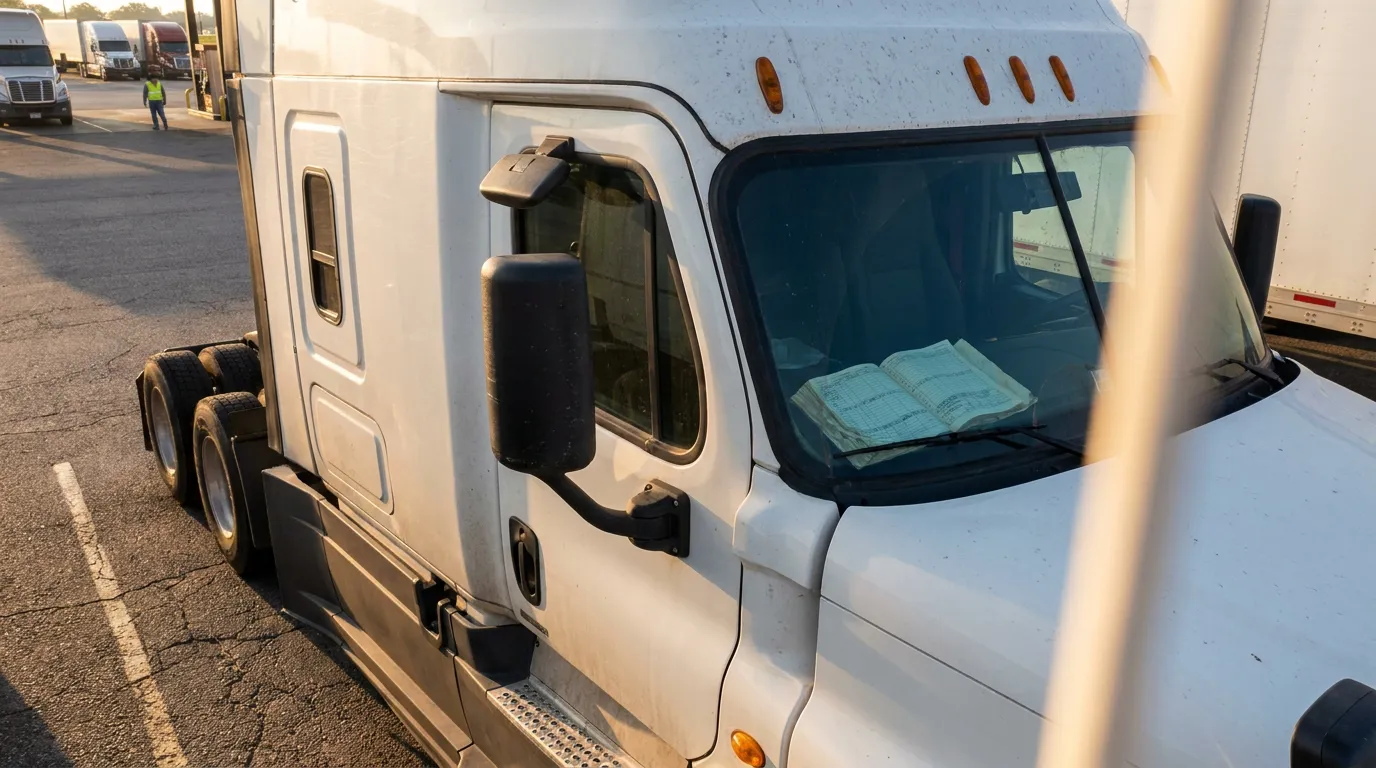
Understanding Federal Fatigue Rules After a Serious Dayton Truck Crash
Key Takeaways: The 11-hour driving limit is a federal safety rule allowing property-carrying commercial truck drivers to operate a maximum of 11 hours after 10 consecutive hours off duty. When a fatigued trucker exceeds this limit and causes a Dayton crash, that violation serves as powerful evidence of negligence. These rules, codified in 49 CFR Part 395, work alongside other timing restrictions and permit narrow exceptions, such as up to 2 additional hours for adverse driving conditions. Building a claim depends on preserving records like electronic logging data, driver logs, and dispatch reports, which carriers control and may not keep indefinitely. Ohio’s modified comparative negligence rule allows recovery so long as your fault is not greater than the combined fault of others. Injury claims generally must be filed within two years. Acting quickly to preserve evidence and consult counsel is essential to protecting your right to fair compensation.
The 11-hour driving limit is a federal safety rule that caps how long a property-carrying commercial truck driver may operate a vehicle after resting. Under federal law, a property-carrying driver may drive a maximum of 11 hours after 10 consecutive hours off duty. When a fatigued trucker exceeds that limit and causes a collision, that violation becomes powerful evidence of negligence. These rules exist because drowsy driving in a vehicle that may weigh up to 80,000 pounds can produce catastrophic injuries.
If you or a loved one suffered a serious injury in a semi truck crash in Dayton, the team at The Attkisson Law Firm is ready to help. Call us today at 937-400-0000 or reach out through our confidential case review request to discuss how hours-of-service records may support your claim. Acting quickly helps preserve critical evidence.
What the 11-Hour Driving Limit Actually Requires
The 11-hour driving limit applies to commercial motor vehicle operators engaged in interstate commerce, which includes most large trucks moving through the Dayton region. These federal rules are codified in 49 CFR Part 395 and govern carriers and drivers operating commercial motor vehicles, combating driver fatigue, a leading contributor to severe truck collisions.
The limit works alongside several other timing restrictions that shape a driver’s day. A property-carrying driver may not drive beyond the 11th hour of driving, and only after taking at least 10 consecutive hours off duty. A separate 14-hour rule limits how late in the day a driver may operate after coming on duty. You can review the full federal driving limits published by the Federal Motor Carrier Safety Administration. Understanding these thresholds is often the first step in evaluating a Dayton Ohio truck injury claim.
Key Hours-of-Service Limits at a Glance
| Rule | General Requirement |
|---|---|
| 11-Hour Driving Limit | Maximum 11 hours driving after 10 consecutive hours off duty |
| 10-Hour Off-Duty Requirement | Required rest period before the driving window resets |
| Adverse Conditions Exception | Up to 2 additional hours under certain conditions |
These limits are not absolute, and the law recognizes narrow exceptions. Drivers may extend the 11-hour maximum driving limit and the 14-hour driving window by up to 2 hours when adverse driving conditions that could not reasonably have been known before beginning the trip are encountered. This means exceeding the ordinary cap may not itself constitute a violation in limited circumstances, which is why the specific facts of each crash matter.
How Hours of Service Violations Truck Accident Dayton, Ohio Claims Are Built
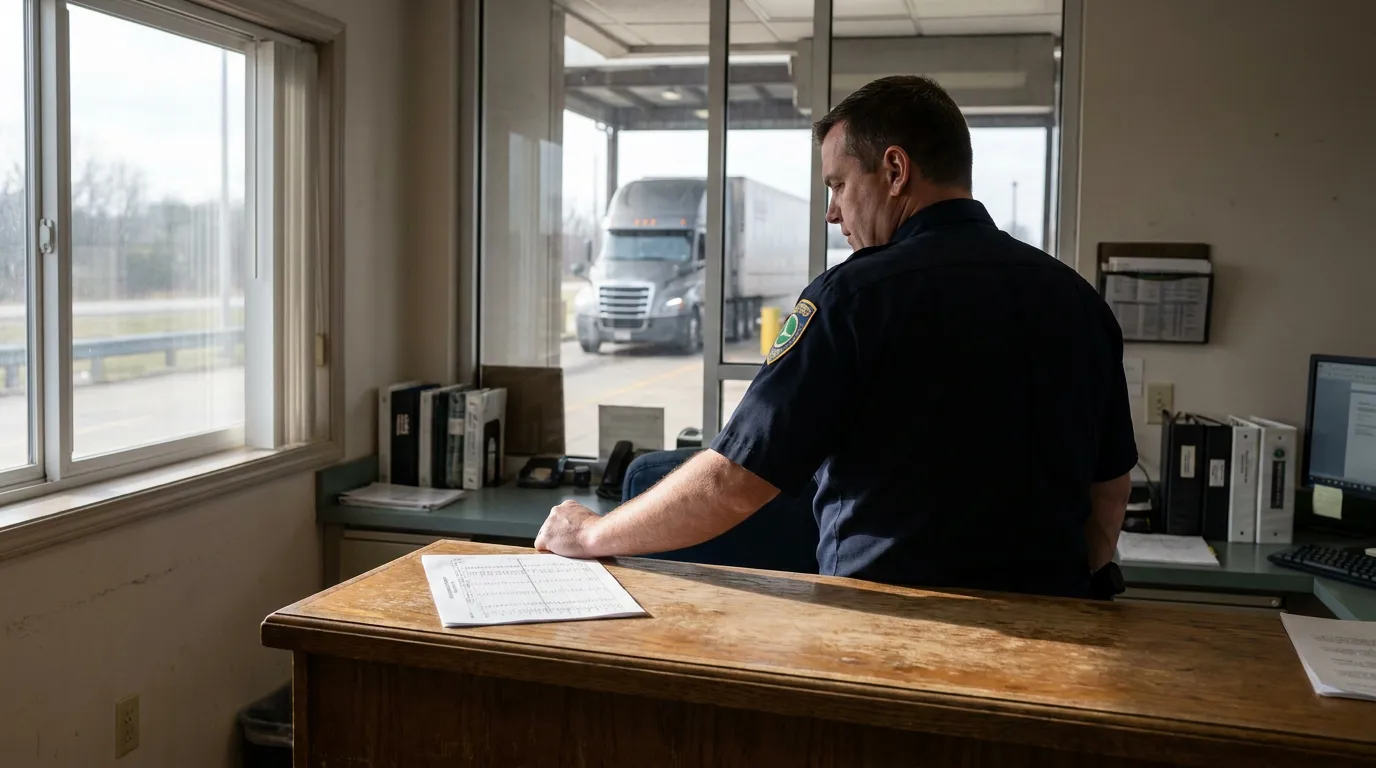
Proving that a fatigued trucker violated the 11-hour driving limit requires careful review of records that trucking companies control. Electronic logging device data, driver logs, dispatch records, and inspection reports often reveal whether a driver was on the road too long. Because carriers may not preserve this information indefinitely, prompt action is critical.
Ohio’s civil framework provides the statutory foundation for these negligence lawsuits. Chapter 2307 of the Ohio Revised Code governs how injured parties bring negligence and personal-injury claims, including those arising from a commercial truck accident Dayton residents experience. That framework also addresses how fault is apportioned among multiple parties, which frequently include both the driver and the motor carrier.
When both a driver and a trucking company share responsibility, Ohio law allows fault to be distributed among them. Under ORC 2307.22 and 2307.23, courts address joint and several tort liability and determine each party’s percentage of tortious conduct. Sections 2307.25 through 2307.28 provide for contribution among multiple liable parties. To understand what typically happens after a violation, read our detailed explanation of an hours of service violation Dayton drivers may commit.
Common Sources of Hours-of-Service Evidence
- Electronic logging device (ELD) records showing actual driving time
- Driver duty status logs and daily reports
- Dispatch and delivery schedules that may pressure drivers to speed or skip rest
- Fuel receipts, toll records, and GPS data that corroborate timelines
- Post-crash inspection and maintenance documentation
Connecting a Driving-Hour Violation to Legal Fault
Ohio law recognizes four culpable mental states that can help characterize a driver’s conduct in a serious crash. The state defines these mental states as purpose, knowledge, recklessness, and negligence. Which one applies depends on the facts.
In some fatigue-related cases, a driver’s decision to keep driving may rise to recklessness. Ohio law provides that a person acts recklessly when, with heedless indifference to the consequences, the person disregards a substantial and unjustifiable risk that the person’s conduct is likely to cause a certain result or is likely to be of a certain nature, as set out in the statute defining degrees of culpability. A trucker who ignores mandatory rest requirements and continues driving while dangerously fatigued may be found to have disregarded a substantial and unjustifiable risk.
It is important to distinguish criminal culpability standards from civil liability. The culpable mental states above are defined in Ohio’s criminal code. A criminal charge and a civil personal-injury lawsuit are separate proceedings with different burdens of proof. An injured victim’s civil claim can proceed regardless of whether prosecutors pursue criminal charges, though evidence from one process may inform the other.
💡 Pro Tip: If a truck crash report references driver fatigue or logbook issues, ask that the carrier be notified in writing to preserve electronic logging data before it is overwritten or deleted.
How Shared Fault Affects Your Recovery in Ohio
Ohio applies a modified comparative negligence standard that directly affects truck accident Dayton Ohio claims. Under this rule, an injured plaintiff can recover damages as long as their share of fault is not greater than the combined fault of all other parties. This matters when a defense argues that an injured motorist contributed to the collision.
Even when recovery is allowed, your award may be reduced in proportion to your own share of fault. The comparative fault statute provides that the court shall diminish compensatory damages by an amount proportionate to the plaintiff’s percentage of tortious conduct. Documenting the trucker’s hours-of-service violation carefully can help minimize any fault attributed to the injured party.
These allocations are rarely straightforward in multi-vehicle or multi-party crashes. Because fault percentages are fact-intensive and often disputed by insurers, outcomes depend on the specific evidence. A Dayton truck crash lawyer can help gather the documentation needed to present a clear picture of how a fatigued trucker’s violation caused the harm.
Deadlines That Can Affect Your Dayton Truck Injury Claim
Ohio generally sets a two-year deadline for filing most personal injury claims, and this applies to truck crash victims. Under the Ohio filing deadline statute, an action for bodily injury must generally be brought within two years after the cause of action accrues. Missing this deadline can permanently bar an otherwise valid claim.
Where defective truck components contribute to a crash, a separate ten-year rule may apply to product claims. Ohio imposes a ten-year statute of repose on many product liability claims measured from the date the product was delivered to its first purchaser or lessee not for resale. That repose period is subject to limited statutory exceptions, such as where a manufacturer engaged in fraud regarding product information.
Statutory limitations periods should not be assumed to be automatic or absolute. Tolling and discovery-related exceptions apply only in limited circumstances. Whether any extension applies to your situation is a fact-specific question best evaluated promptly.
Frequently Asked Questions
-
What is the 11-hour driving limit for truckers?
The 11-hour driving limit is a federal cap on driving time for property-carrying commercial drivers. It allows a maximum of 11 hours of driving after 10 consecutive hours off duty, under 49 CFR Part 395. Exceeding it may support a negligence claim.
-
Can a trucker ever legally drive more than 11 hours?
In limited situations, yes. The adverse driving conditions exception allows a driver to extend the 11-hour maximum and the 14-hour window by up to 2 hours when unexpected conditions arise. Whether the exception applies depends on the facts.
-
How long do I have to file a truck accident claim in Dayton?
Ohio generally requires personal injury actions to be filed within two years of the date the cause of action accrues. Certain product liability claims involve a separate ten-year repose period. Because exceptions are narrow, consult counsel early.
-
What if I was partly at fault for the crash?
Ohio’s modified comparative negligence rule may still allow recovery. You can recover if your fault is not greater than the combined fault of all other parties, though your award may be reduced in proportion to your share of responsibility.
-
Who can be held responsible for a fatigued trucker crash?
Liability may extend beyond the driver. Depending on the facts, the trucking company, and in some cases a parts manufacturer, may share fault. Ohio law allows fault to be apportioned and contribution to be sought among liable parties.
Protecting Your Rights After a Fatigue-Related Truck Collision
Understanding the 11-hour driving limit is often the key to holding a negligent driver and carrier accountable after a serious Dayton collision. When a trucking company’s records reveal hours of service violations truck accident Dayton, Ohio victims may have strong evidence of negligence, but that evidence must be preserved quickly and analyzed carefully. Because comparative fault, filing deadlines, and multi-party liability all shape the value of a claim, the specific facts of your case will determine the path forward. To learn more, explore our overview of semi truck crash Dayton representation.
If you are facing mounting medical bills and confusing insurance offers after a fatigued trucker caused your injuries, The Attkisson Law Firm is ready to stand with you. Contact our team at 937-400-0000, visit the firm’s website, or request your consultation online to discuss your Dayton Ohio truck injury claim today. Getting answers early can help protect your right to full and fair compensation.