
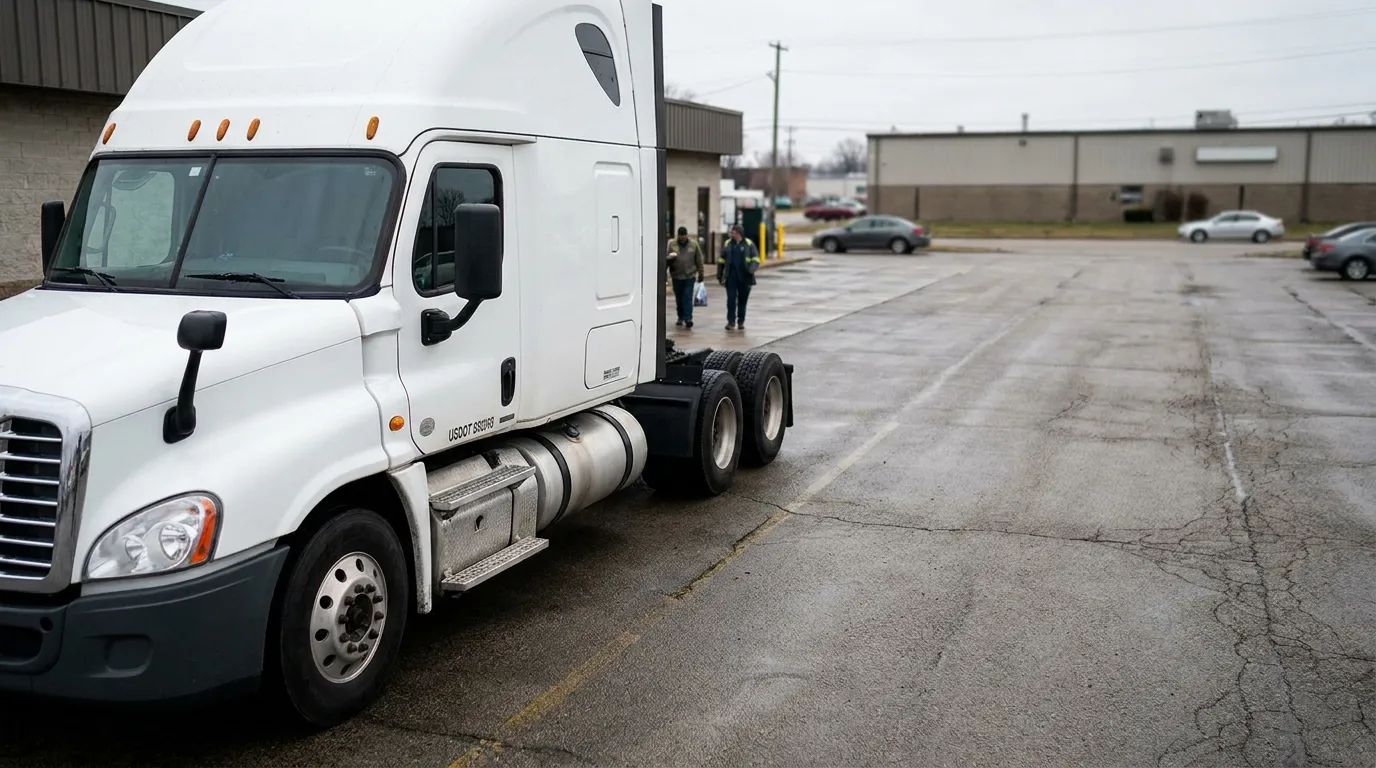
Understanding the True Value of a Dayton Truck Crash Claim
Key Takeaways: A fair truck accident settlement in Dayton, Ohio reflects the full scope of your losses, medical costs, lost income, long-term impairment, and pain, reduced only by any share of fault assigned to you under Ohio law. The calculation begins with total compensatory damages a court would recognize, then adjusts using Ohio’s modified comparative negligence system, where recovery is barred if your fault exceeds everyone else’s combined. Ohio Revised Code Section 2315.34 requires economic and noneconomic losses to be identified separately, making thorough documentation essential. A strict two-year statute of limitations under Section 2305.10 can end even a strong claim before it starts, so prompt action matters. Because commercial truck crashes often involve multiple liable parties and catastrophic harm, insurers frequently make low initial offers that undervalue noneconomic and future losses.
A fair settlement after a commercial truck collision reflects the full scope of your losses, the strength of the evidence, and how Ohio law allocates fault between the parties. There is no single dollar figure that applies to every case, because each crash involves different injuries, different liable parties, and different degrees of responsibility. A fair outcome accounts for your medical costs, lost income, long-term impairment, and pain, reduced only by any share of fault the law assigns to you.
If you were seriously hurt in a collision with a semi or commercial vehicle, The Attkisson Law Firm is ready to help you understand your options. Call us at 937-400-0000 or reach out through our contact page to discuss what a fair recovery may look like in your situation.
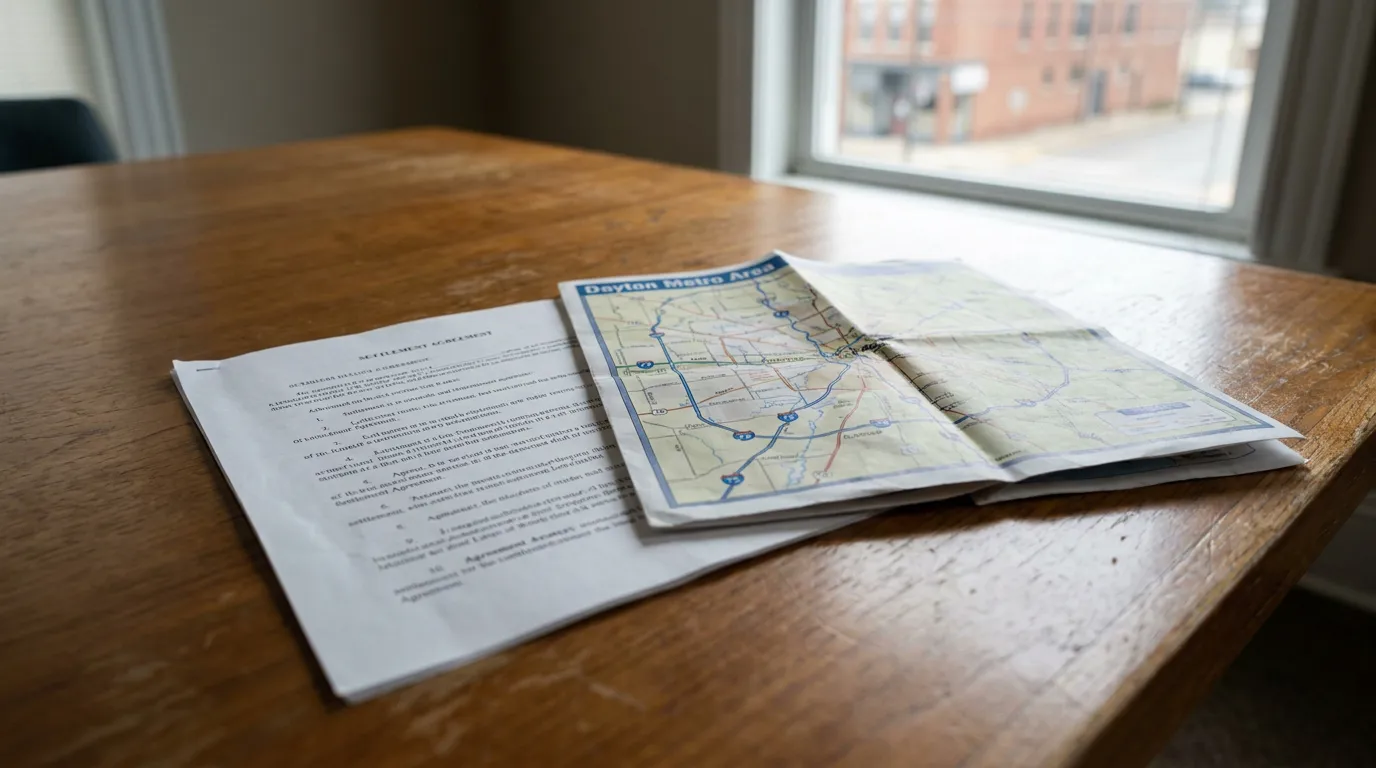
How a Truck Accident Settlement in Dayton, Ohio Is Calculated
The value of a truck accident settlement in Dayton, Ohio generally begins with the total compensatory damages a court or jury would recognize, then adjusts that figure based on comparative fault. Ohio law divides damages into two categories, and a fair settlement must account for both separately. Under Ohio Revised Code Section 2315.34, when contributory fault is raised as a defense, the trier of fact must specify the portion of compensatory damages representing economic loss and the portion representing noneconomic loss.
The statute requires the court or jury to determine the total amount of damages that would have been recoverable but for the plaintiff’s own conduct. The process starts by establishing the full baseline value of the claim before any reduction. Ohio Revised Code Section 2315.34 directs the trier of fact to make four specific findings: (A) the total compensatory damages recoverable but for the plaintiff’s tortious conduct, (B) the portion of those damages representing economic loss, (C) the portion representing noneconomic loss, and (D) the percentage of tortious conduct attributable to all persons involved.
💡 Pro Tip: Keep organized records of every medical visit, prescription, therapy session, and missed workday. A well-documented economic loss makes it much harder for an insurer to understate the true value of your Dayton truck injury compensation.
How Ohio’s Comparative Fault Rules Shape Your Recovery
Ohio uses a modified comparative negligence system, which means your ability to recover depends on how your share of fault compares to everyone else’s. The state adopted its comparative negligence statute in 1980, moving away from older rules that could bar recovery for even minor fault. This framework directly affects what a fair truck crash settlement value in Dayton looks like.
Under this system, a plaintiff’s contributory fault can be raised as an affirmative defense to most tort claims. Ohio Revised Code Section 2315.32(B) permits contributory fault to be asserted as a defense to a tort claim, though it may not be asserted against an intentional tort claim. For an ordinary commercial truck crash, these comparative fault provisions typically apply.
The reduction and the outer limit of recovery are defined by statute. Ohio Revised Code Section 2315.33 provides that a plaintiff’s contributory fault does not bar recovery so long as that fault is not greater than the combined tortious conduct of all other persons from whom the plaintiff seeks recovery in the action and all other persons from whom the plaintiff does not seek recovery in the action, and it directs the court to diminish recoverable damages in proportion to the plaintiff’s share of fault. If the plaintiff’s fault is greater than the combined fault of everyone else, recovery is barred entirely under Section 2315.33. This is why establishing that the truck driver or trucking company bears the majority of responsibility is critical to preserving a fair Ohio truck accident claim.
The Deadline That Can End a Claim Before It Starts
Missing Ohio’s filing deadline can bar recovery no matter how strong your case is, which makes the statute of limitations a critical factor in any fair settlement. Under Ohio Revised Code Section 2305.10, an action for bodily injury generally must be brought within two years after the cause of action accrues. For most truck crashes, the cause of action accrues on the date of the collision.
Ohio law recognizes limited exceptions to this general accrual rule, but courts interpret them narrowly. The statute includes delayed-discovery provisions for certain exposure-based injuries, such as those tied to asbestos or toxic substances. These exceptions do not automatically apply to a typical truck collision, and you should not assume that any deadline extension is available in your case.
💡 Pro Tip: Do not wait for treatment to finish before speaking with a Dayton truck accident lawyer. Preserving black box data, driver logs, and maintenance records early can be decisive, and some of that evidence disappears quickly.
Factors That Influence a Fair Settlement Value
Several practical and legal factors determine whether a settlement offer is truly fair, and each one deserves careful review. Because truck crashes often cause catastrophic harm and involve multiple potentially liable parties, the analysis is usually more complex than a standard car accident claim.
Economic Losses
Economic damages cover the measurable financial impact of the crash. These are the losses that can be documented with bills, statements, and records. In a serious truck injury case, they often include:
- Past and future medical treatment, surgery, and rehabilitation
- Lost wages and diminished future earning capacity
- Ongoing costs of care for permanent or catastrophic injuries
Because Ohio Revised Code Section 2315.34 requires the economic portion of damages to be identified separately, thorough documentation strengthens your negotiating position.
Noneconomic Losses
Noneconomic damages address the human toll that receipts cannot capture. These include physical pain, emotional suffering, loss of enjoyment of life, and the lasting effects of a permanent impairment. Because these losses are inherently subjective, insurers frequently undervalue them, which is a common reason initial offers fall short. If you want to better understand the range of harms that may be compensable, review what compensation truck crash victims can seek under Ohio law.
Multi-Party Liability
Commercial truck crashes often involve more than one responsible party, which affects how liability is apportioned. Ohio Revised Code Section 2315.34 requires the percentage of tortious conduct to be attributed among all persons involved. Potentially liable parties can include the driver, the trucking company, a maintenance contractor, or a cargo loader. Sorting out these relationships is central to building a fair Dayton commercial truck crash claim.
| Category | What It Covers | Statutory Reference |
|---|---|---|
| Economic loss | Medical bills, lost wages, future care | R.C. 2315.34(B) |
| Noneconomic loss | Pain, suffering, loss of enjoyment | R.C. 2315.34(C) |
| Fault allocation | Percentage assigned to each party | R.C. 2315.34, 2315.36 |
Why Legal Guidance Matters in Truck Injury Claims
The complexity of multi-party liability and comparative fault is why many injured people work with an attorney rather than negotiating alone. Trucking companies and their insurers often have teams focused on limiting payouts, and they may point to a plaintiff’s alleged share of fault to justify a low offer. Working with an experienced Dayton truck accident lawyer can help you preserve evidence, establish negligence such as hours-of-service violations or poor maintenance, and present a documented demand.
Frequently Asked Questions
1. How long do I have to file a truck accident lawsuit in Dayton?
In most cases, you have two years from the date of injury. Ohio Revised Code Section 2305.10(A) sets a two-year deadline for bodily injury claims, and the clock generally starts when the injury occurs. Limited exceptions exist, but courts apply them narrowly.
2. Can I still recover if I was partly at fault?
Often yes, as long as your fault does not exceed everyone else’s combined. Under Ohio Revised Code Sections 2315.33 and 2315.35, your damages are reduced by your percentage of fault, and recovery is barred only if your fault is greater than the total fault of all other parties.
3. What is included in a fair truck settlement in Ohio?
A fair figure accounts for both economic and noneconomic losses. Ohio Revised Code Section 2315.34 requires these categories to be identified separately, so a complete claim reflects medical costs, lost income, and the personal impact of the injury.
4. Who can be held responsible in a commercial truck crash?
Liability may extend beyond the driver. Depending on the facts, the trucking company, a maintenance provider, or a cargo loader may share responsibility, and Ohio Revised Code Section 2315.36 governs how liability is apportioned among them.
5. Why are initial insurance offers often too low?
Early offers frequently undervalue noneconomic harm and future costs. Insurers may also emphasize a victim’s alleged fault to reduce the payout, which is why documentation and legal guidance can matter to an Ohio truck accident claim.
Protecting Your Right to Full Compensation
A fair truck accident settlement in Dayton, Ohio is one that reflects the full value of your losses and assigns fault accurately under Ohio law. Between the two-year filing deadline, the modified comparative negligence rules, and the reality of multi-party liability, these cases reward careful preparation and prompt action. Understanding your rights puts you in a stronger position to evaluate whether an offer is genuinely fair or simply designed to close your file quickly.
If you or a loved one suffered serious injuries in a commercial truck crash, The Attkisson Law Firm is here to help you pursue the compensation you deserve. Call us today at 937-400-0000 or schedule a consultation online to take the next step toward protecting your claim.