
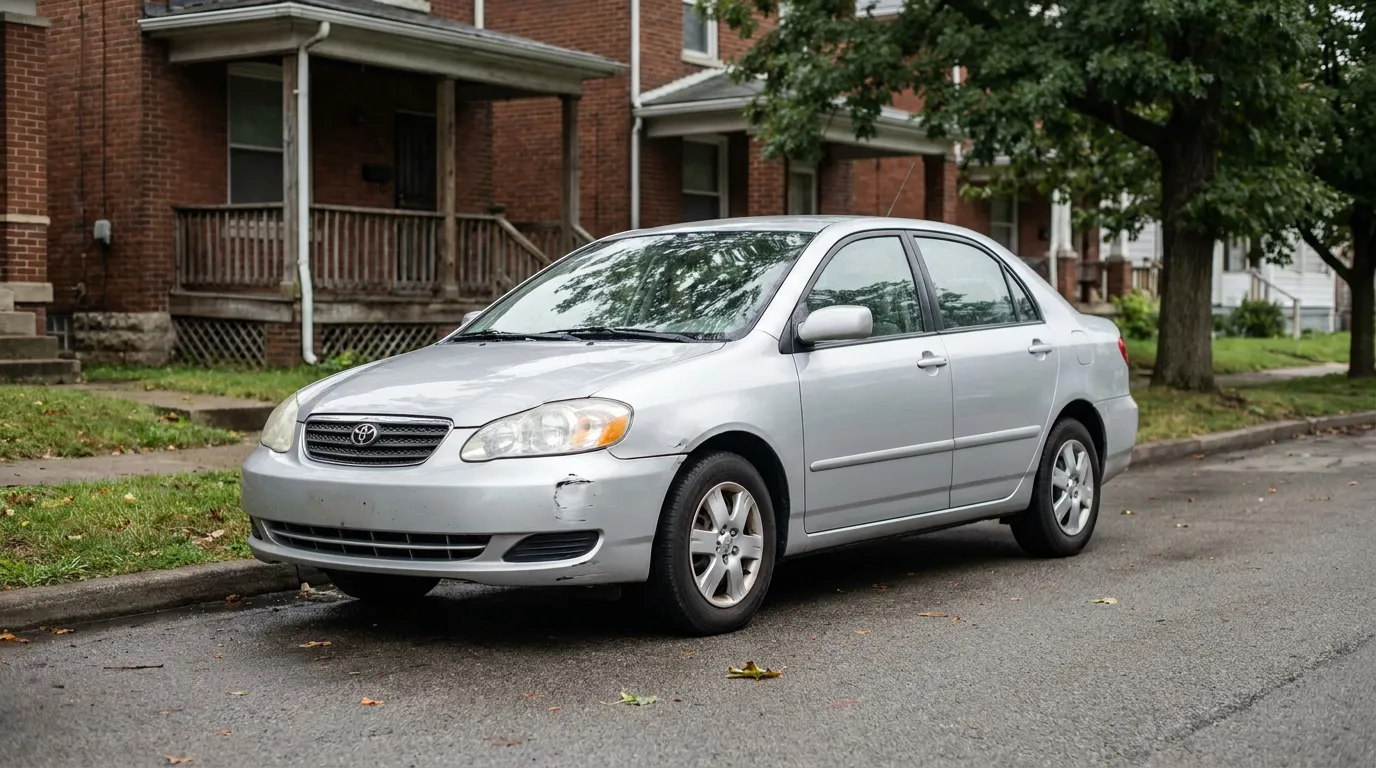
Understanding Your Right to Sue After a Serious Dayton Crash
Key Takeaways: Yes, Dayton victims can generally sue the at-fault driver because Ohio is a fault-based state, not a no-fault state, meaning recovery requires proving another party’s negligence through duty, breach, causation, and damages. Under Ohio’s modified comparative negligence rule, sharing some blame does not bar your claim; your recovery is reduced by your percentage of fault unless you are more than 50% responsible. Most personal injury lawsuits must be filed within two years of the crash under ORC § 2305.10. A successful claim may allow recovery for medical expenses, lost earnings, diminished earning capacity, and pain and suffering. Documenting the scene and seeking early legal guidance can protect your rights against insurers who often try to inflate your share of fault.
Yes, Dayton victims can generally sue the at-fault driver because Ohio is not a no-fault state.
Ohio’s comparative fault statute permits an injured plaintiff to recover damages from an at-fault party, confirming Ohio operates as a fault-based state where victims can pursue the responsible driver.
If you were seriously hurt in a collision caused by someone else’s negligence, the law allows you to hold that driver accountable. This guide explains how the fault-based system works, why timing matters, and what to consider before you act.
If you are wondering is Ohio a no fault state for car accidents and how that affects your ability to recover after a devastating injury, the team at The Attkisson Law Firm is here to help. Call us today at 937-400-0000 or reach out through our contact page to discuss your situation with a compassionate legal professional.

Is Ohio a No Fault State for Car Accidents?
Ohio does not use a no-fault insurance system, and this distinction shapes every serious injury claim in Dayton. In a true no-fault state, drivers turn first to their own insurance regardless of who caused the crash. Ohio uses a modified comparative negligence rule, meaning a plaintiff’s own partial fault does not completely bar recovery from an at-fault party.
Because Ohio follows a tort-based model, recovering compensation generally requires proving another party’s negligence.
Because Ohio is a fault-based state, injured victims must file civil actions to recover damages within statutory deadlines found in Chapter 2305 of the Ohio Revised Code.
Understanding the Ohio at-fault system is the first step toward evaluating whether you have a viable Dayton crash lawsuit.
Proving Negligence in an Ohio Injury Claim
To sue at-fault driver Ohio claims must generally establish four elements: duty, breach, causation, and damages. A driver owes a duty to operate their vehicle reasonably, breaches that duty through conduct like distracted driving or speeding, and causes injuries that produce measurable harm. Severe-injury cases turn on strong evidence such as crash reports, medical records, and witness statements. Preserving this proof early can make a meaningful difference.
How Comparative Fault Affects Your Compensation
Even if you share some blame for the crash, Ohio law may still allow you to recover reduced damages.
Even when a Dayton victim shares some blame, their recoverable compensation is reduced in proportion to their assigned percentage of fault rather than barred entirely.
This principle reflects the comparative negligence doctrine, which courts use to allocate responsibility among the parties involved.
Ohio applies a threshold that bars recovery only when your fault becomes too large.
A plaintiff’s own share of fault does not eliminate their claim unless it exceeds the combined fault of all other parties. If you are found more at fault than everyone else combined, more than 50 percent, recovery may be precluded.
A numerical illustration helps show how this reduction works in a real dispute.
If a court assigns 60% fault to the defendant and 40% to the plaintiff, the plaintiff may only recover 60% of the damages.
Actual percentages depend on how a jury or court weighs the evidence. The statutory basis for reducing an award appears in Ohio’s comparative fault law, specifically Ohio Revised Code § 2315.33.
Why the Shift to Comparative Negligence Matters
Ohio’s move away from a strict contributory-fault rule expanded the ability of injured people to recover.
Under Ohio’s comparative negligence law, now codified at Revised Code § 2315.33, the contributory fault of the plaintiff is no longer an absolute bar to recovery.
Ohio’s shift to comparative negligence enhanced the injured party’s ability to recover while enlarging the at-fault defendant’s liability exposure, reinforcing that fault-based lawsuits are the mechanism for compensation in Ohio.
💡 Pro Tip: Because insurance adjusters often try to assign you a higher percentage of fault to shrink a payout, document the scene thoroughly with photos, names of witnesses, and prompt medical care. That early evidence can counter inflated fault arguments.
The Two-Year Deadline Dayton Victims Cannot Ignore
Ohio law sets a firm time limit on filing most injury lawsuits, and missing it can end your claim.
The controlling deadline for a Dayton crash victim suing an at-fault driver is set by ORC Section 2305.10, which requires actions for bodily injury to be brought within two years after the cause of action accrues.
In most car accident cases, the clock starts on the date of the collision.
For car accident victims, the two-year clock generally starts on the date of the collision, making prompt legal action important.
Some situations may involve later accrual dates in limited circumstances where an injury is not immediately discoverable, but courts generally interpret such exceptions narrowly.
It is important to separate civil filing deadlines from any administrative or insurance timelines. A civil statute of limitations governs when you may file suit in court, while insurance policies and government claim rules can carry their own separate deadlines.
Here are practical steps many injured people take while the deadline runs:
- Seek prompt medical evaluation and keep all treatment records
- Report the crash and obtain a copy of the official report
- Track lost wages, out-of-pocket costs, and ongoing symptoms
- Avoid recorded statements to an adjuster before understanding your rights
- Consult counsel well before the two-year mark
What Compensation May Be Available in a Dayton Crash Lawsuit
A successful Ohio negligence claim may allow recovery for the real losses a serious injury creates. Compensatory damages can include medical expenses, future care needs, lost earnings, diminished earning capacity, and pain and suffering. Ohio does not cap economic damages, but non-economic damages such as pain and suffering are generally subject to statutory limits, with exceptions for catastrophic injuries. Recoverable amounts vary widely based on the severity of injury and supporting evidence.
Reviewing how fault and deadlines interact can clarify where your case stands. The table below summarizes core principles for quick reference.
| Legal Principle | Governing Authority | Practical Effect |
|---|---|---|
| Fault-based recovery | ORC § 2315.33 | You may sue the at-fault driver |
| Fault reduces award | ORC § 2315.33 (with allocation under § 2315.34) | Recovery cut by your fault share |
| Recovery bar threshold | Modified comparative rule | Barred if your fault exceeds 50% |
| Filing deadline | ORC § 2305.10 | Generally two years from the crash |
Knowing where to find reliable, non-commercial guidance also matters. For general education about your options, you can explore additional injury-related articles on the firm’s Ohio negligence claim resource library. For a deeper overview of how these cases proceed, our page on helping injured people sue at-fault driver Ohio explains the process in plain language.
Frequently Asked Questions
1. Is Ohio a no fault state for car accidents, or can I sue the other driver?
Ohio is not a no-fault state, so injured victims may generally file suit against the negligent driver.
ORC § 2315.33 provides that the contributory fault of a person does not bar that person as a plaintiff from recovering damages if the plaintiff’s fault was not greater than the combined fault of all others from whom recovery is sought.
This confirms your right to pursue an at-fault party.
2. What happens to my case if I was partly at fault?
Being partly at fault does not necessarily end your claim under Ohio’s modified comparative negligence rule.
Your recoverable compensation is reduced in proportion to your assigned percentage of fault. If your fault exceeds 50 percent, however, recovery may be precluded.
3. How long do I have to file a Dayton crash lawsuit?
In most cases, you have two years from the date the cause of action accrues.
Ohio law imposes a two-year time limit on personal injury lawsuits. Because certain exceptions are read narrowly by courts, acting well before the deadline is generally wise.
4. Where can I find trustworthy legal information as an Ohio resident?
Several non-marketing resources exist for Ohioans researching their rights.
Ohio Legal Help offers free legal information, basic legal how-to’s, court forms and connections to organizations that offer legal advice and representation.
Its site also includes a "Find a Lawyer" portal.
5. Does Ohio’s comparative negligence rule differ from other states?
Yes, states apply different versions of these doctrines.
There are two types of comparative negligence in the U.S. plus contributory negligence, and damages awarded vary from state to state.
Ohio follows a modified (51 percent) approach that still permits suing the at-fault driver in many cases.
Protecting Your Rights After a Serious Ohio Collision
The bottom line is that Ohio’s fault-based system gives injured Dayton victims a real path to accountability. Because Ohio is not a no-fault state, you generally may sue the driver whose negligence caused your injuries, recover damages reduced only by your share of fault, and act within the two-year window that governs most claims. Understanding the Ohio at-fault system early can help you make informed decisions during a difficult time.
If you or a loved one suffered a serious injury in an Ohio collision, do not wait until the deadline is near to understand your options. Contact The Attkisson Law Firm today by calling 937-400-0000 or by requesting a consultation online, and let a dedicated Dayton injury attorney help you pursue the full and fair compensation you deserve.