
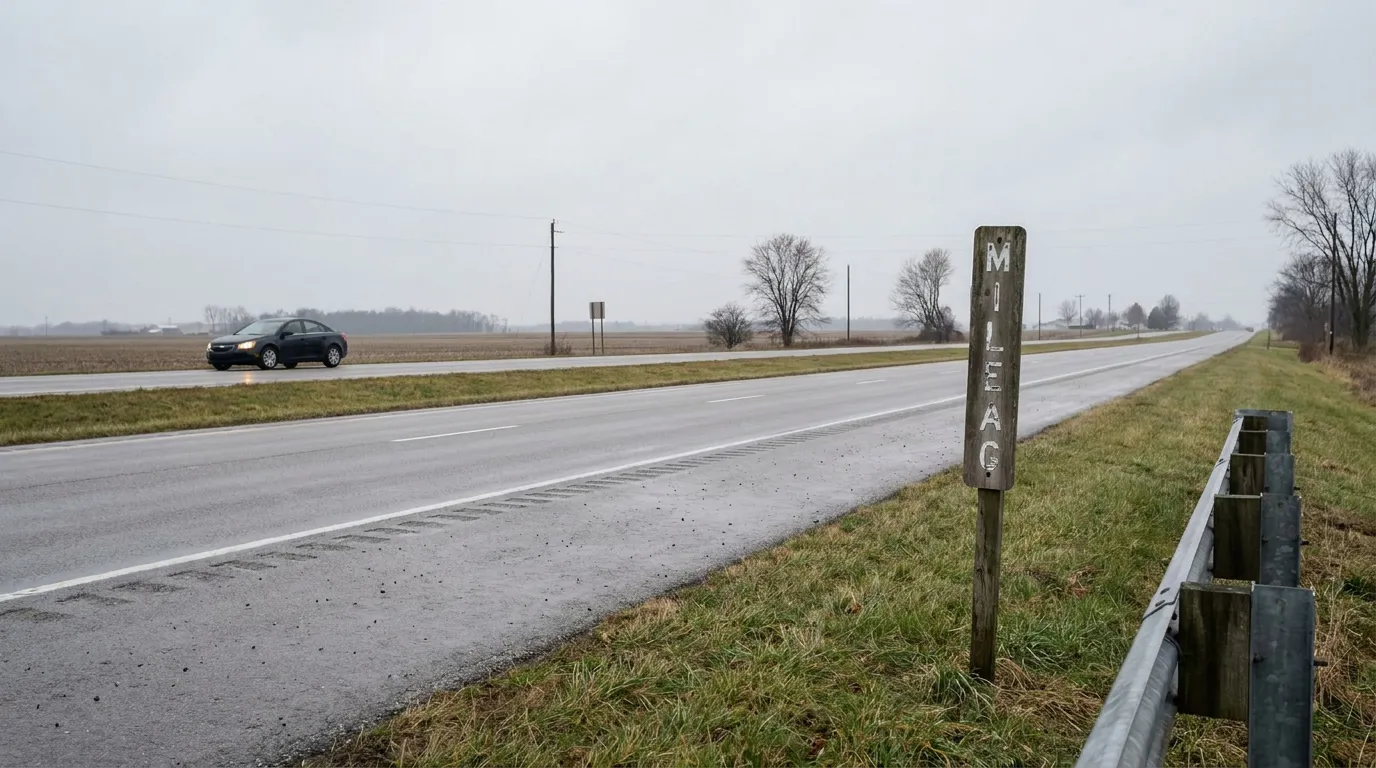
Inside Ohio’s Rising Tide of Deadly Roadway Collisions
Key Takeaways: Ohio recorded over 1,000 fatal crashes in 2025, part of a troubling national trend where roadway deaths have risen despite safer vehicles. The hardest-hit include car occupants, motorcyclists, and pedestrians, with many collisions stemming from preventable negligence like distracted driving, impairment, speeding, and hit-skip offenses. Ohio’s modified comparative negligence rule allows recovery only if fault does not exceed 50%, with compensation reduced by assigned share. After a serious crash, prioritize medical care, report the collision, preserve evidence, and use caution with insurers to protect your health and legal options. Government entities may share responsibility for dangerous roadways, though immunity defenses and special notice rules apply. Ohio generally imposes a two-year deadline for personal injury claims under ORC § 2305.10 and wrongful death claims under ORC § 2125.02, making prompt action and experienced legal guidance essential.
Ohio roads turned tragic again in 2025, with more than 1,000 fatal crashes claiming lives across the state. These numbers represent people who left home and never returned, with many collisions involving preventable negligence. For drivers, passengers, pedestrians, and motorcyclists in Dayton, understanding Ohio traffic fatalities is the first step toward protecting your rights after a catastrophic crash.
If you or someone you love suffered serious injuries in a collision, you don’t have to face the aftermath alone. The team at The Attkisson Law Firm helps injured people and grieving families pursue accountability across Dayton and surrounding communities. Call us at 937-400-0000 or reach out through our contact page to discuss your situation today.
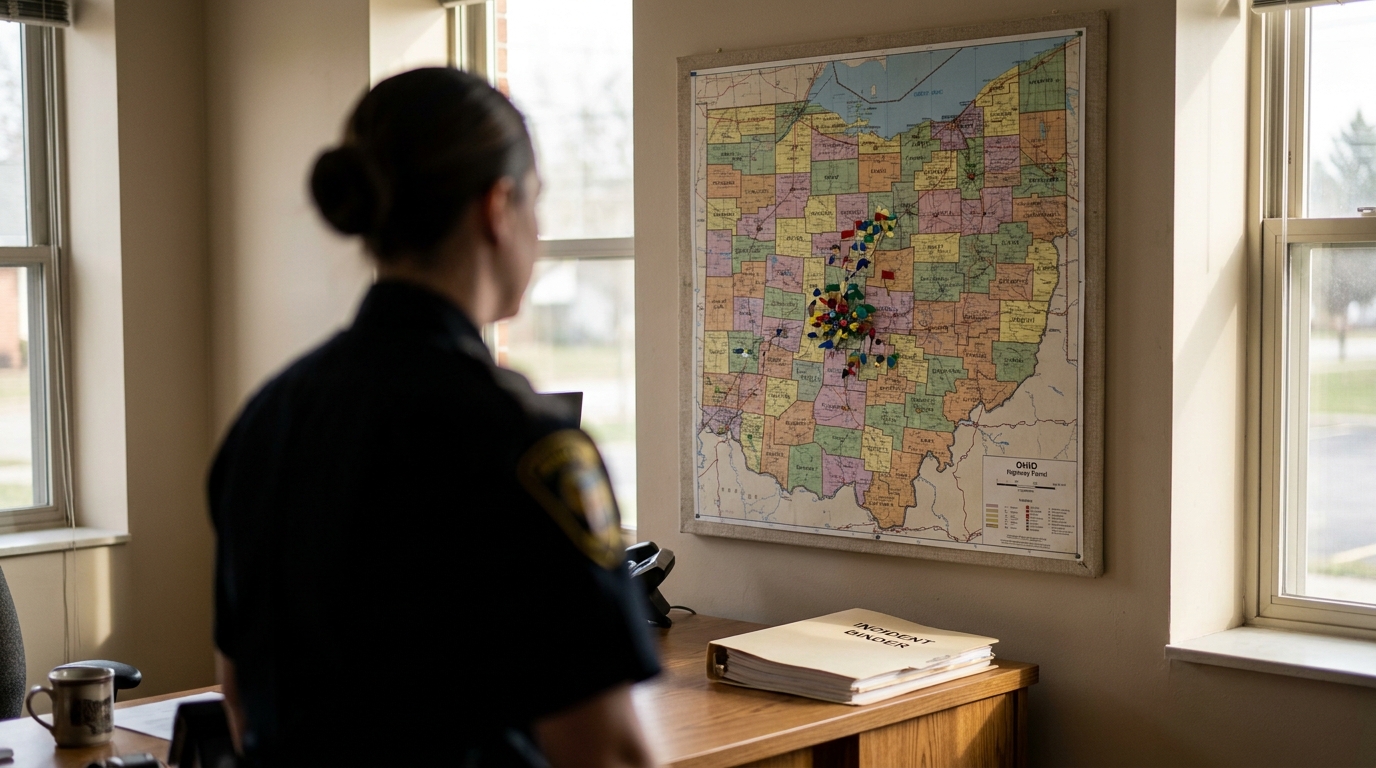
How Ohio’s Fatal Crash Numbers Compare Nationally
Ohio’s death toll fits a troubling national pattern that has worsened recently. According to the National Safety Council, the population motor-vehicle death rate peaked in 1937 at 30.8 deaths per 100,000 people. The current rate of 12.6 per 100,000 represents a 59% improvement, yet progress has begun reversing.
Recent data shows the country moving in the wrong direction. From 2019 to 2024, the mileage death rate rose 8.3% while the population death rate climbed 5.9%, signaling that roads have grown more dangerous despite safer vehicles. Nationally, there were 42,789 motor-vehicle deaths in 2024, and the Insurance Institute for Highway Safety reported 40,901 lives lost in crashes across the United States in 2023.
💡 Pro Tip: When researching car crash deaths Ohio 2025, look for data tied to a specific reporting source and year. Federal datasets and state records sometimes lag, so recent figures may be preliminary and subject to revision.
Who Faces the Greatest Risk on Ohio Roads
Not every road user shares the same danger level. IIHS-sourced data for Ohio’s 2021 fatalities showed car occupants made up 38% of deaths, pickup and SUV occupants 24%, motorcyclists 17%, and pedestrians 12%. These percentages explain why serious car accidents Dayton residents experience can affect anyone, behind the wheel, on two wheels, or crossing the street.
Restraint use remains a clear dividing line between survival and tragedy. The IIHS Fatality Facts report found that in 2023, only 45% of fatally injured passenger vehicle occupants nationwide were restrained at the crash time. This sobering figure underscores how preventable factors drive Ohio road fatality data, though seat belt use alone never determines fault in a collision.
Why So Many Dayton Crashes Involve Preventable Negligence
Most deadly collisions trace back to driver choices before impact. Distracted driving, impairment, excessive speed, and failure to yield appear repeatedly in crash investigations. When negligence causes death, Ohio law treats the conduct seriously, with certain offenses carrying criminal consequences plus civil liability.
Drivers who flee deadly scenes face harsh penalties. Under Ohio Revised Code § 4549.02, drivers involved in crashes causing injury or death must stop and provide identifying information. Failing to do so is a hit-skip offense that can be charged as a felony when fatalities occur. Younger motorists are also overrepresented in deadly wrecks, a pattern explored in our analysis of how young drivers contribute to fatal crashes in the region.
💡 Pro Tip: After a serious crash, write down everything you remember as soon as safely possible. Details about weather, traffic signals, vehicle speed, and driver behavior fade quickly, yet often become central to proving Dayton auto accident injuries were caused by another party.
How Fault Affects an Ohio Injury Claim
Ohio uses a modified comparative negligence rule that can reduce or eliminate recovery based on fault. Under this approach, an injured party may recover damages only if their fault share is not greater than the combined fault of all other parties, meaning recovery is barred once a plaintiff exceeds 50% fault. Below that threshold, compensation is reduced by the assigned percentage rather than barred entirely.
Understanding this doctrine helps set realistic expectations. The concept of comparative negligence apportions fault among parties based on their contributions to the injury. Outcomes depend heavily on specific facts, with courts considering police reports, witness accounts, and reconstruction analysis when determining each party’s fault share.
What to Do After a Car Accident in Dayton, Ohio
Knowing what to do after a car accident in Dayton, Ohio protects both your health and legal options. The moments and days following a serious crash are chaotic, and the steps you take can influence any future claim. While every situation differs, the following general guidance applies in many cases involving significant injuries.
- Prioritize medical care. Seek treatment immediately, even if symptoms seem minor, because serious injuries can appear hours or days later.
- Report the crash. Contact law enforcement so an official record exists, which often becomes key evidence.
- Preserve evidence. Photograph the scene, gather witness contact information, and keep treatment records.
- Be cautious with insurers. Avoid giving recorded statements or accepting early settlement offers before understanding the full extent of your injuries.
These actions matter because insurers may move quickly to limit payouts. A thorough understanding includes recognizing that early lowball offers rarely reflect the true value of lifelong medical needs or lost income. Documenting your losses carefully strengthens your position.
💡 Pro Tip: Keep a single folder, digital or physical, for every crash-related document. Medical bills, mileage to appointments, and pay stubs showing lost wages all help establish damages that Dayton car accident statistics rarely capture individually.
When a Government Entity May Share Responsibility
Sometimes a dangerous roadway, not just another driver, contributes to a deadly crash. Poor road design, missing signage, or negligent maintenance can play a role. Ohio cities may be held liable for personal injury caused by negligent road maintenance in certain situations, though political subdivision immunity under Ohio Revised Code Chapter 2744 applies by default, and recovery depends on fitting within a statutory exception. Claims against government entities involve distinct procedures and shortened deadlines that differ from ordinary civil suits.
These cases require careful legal analysis because immunity defenses often apply. Because claims are subject to narrowly construed exceptions and shortened deadlines, anyone considering one should act promptly and seek tailored guidance.
Understanding Ohio’s Deadline to File a Claim
Time is critical in any Ohio injury or wrongful death case. Ohio Revised Code § 2305.10 establishes a two-year filing deadline for bodily injury claims, generally measured from when the cause of action accrues, while wrongful death claims are governed by a separate two-year deadline under Ohio Revised Code § 2125.02, measured from the date of death. Missing the applicable window can permanently bar an otherwise valid claim.
Limited exceptions may extend or pause the deadline, but courts interpret them narrowly. Tolling and discovery-rule arguments don’t apply automatically and can be difficult to establish. It’s also important to distinguish the civil statute of limitations from any separate government administrative claim deadline, which can be shorter and procedurally distinct.
| Key Figure | Reported Data |
|---|---|
| U.S. motor-vehicle deaths (2024) | 42,789 |
| U.S. crash deaths (2023) | 40,901 |
| Current population death rate | 12.6 per 100,000 |
| Ohio injury claim deadline | 2 years (ORC § 2305.10) |
How an Attorney Helps After a Serious Crash
A serious collision creates legal questions difficult to navigate while recovering. An attorney can investigate the cause, identify all potentially responsible parties, and work to preserve evidence before it disappears. This is especially valuable in complex cases involving multiple vehicles, commercial drivers, or disputed fault.
Skilled handling also means countering insurer tactics. Our team is recognized for handling collision cases and provides guidance for those harmed in auto accident lawyer Dayton Ohio matters. While no firm can promise a particular outcome, focused representation ensures your story is fully presented and damages thoroughly documented.
Frequently Asked Questions
1. How long do I have to file a claim after a fatal crash in Ohio?
Ohio generally allows two years. Personal injury claims fall under Ohio Revised Code § 2305.10, while wrongful death claims are governed by Ohio Revised Code § 2125.02, and both must usually be brought within two years. Limited exceptions may apply, but courts interpret them narrowly.
2. What if I was partly at fault for the collision?
You may still recover under certain circumstances. Ohio follows a modified comparative negligence rule, meaning you can generally recover only if your fault share is not greater than 50%. Your compensation is then reduced by your assigned responsibility percentage.
3. Can I bring a claim if the at-fault driver fled the scene?
Yes, options may exist even in hit-skip cases. Ohio Revised Code § 4549.02 requires drivers to stop after a crash involving injury or death, and fleeing can be a felony. Uninsured or underinsured motorist coverage may also provide recovery avenues, subject to policy terms.
4. Is the city ever responsible for a dangerous road?
Sometimes, but these claims are complex. A municipality may be sued for negligent road maintenance in limited situations, though governmental immunity under ORC Chapter 2744 and shortened deadlines often apply. Prompt legal review is important.
5. Should I accept the insurance company’s first offer?
Caution is generally warranted. Early offers may not reflect the full cost of severe injuries, future medical care, or lost earning capacity. Reviewing damages carefully before settling protects your long-term interests.
Moving Forward After Loss on Ohio’s Roads
The reality behind more than 1,000 fatal crashes in 2025 is that too many families now carry preventable grief. Ohio crash statistics tell a story of rising risk, yet behind every figure is a person who deserved to come home safely. When negligence causes catastrophic injury or death, Ohio law provides avenues for accountability. Acting promptly and understanding your rights can make a meaningful difference.
You deserve guidance from a Dayton car wreck attorney who treats your case with care and diligence. The Attkisson Law Firm is trusted by clients across the Dayton area for handling serious collision claims with attention to every detail. Call 937-400-0000, visit The Attkisson Law Firm online, or start your case review now to take the first step toward protecting your future.