
Why Truck Evidence Disappears Faster Than Most Victims Realize
Key Takeaways: Truck crash evidence in Dayton can vanish within days, minutes, or seconds, making prompt legal action essential. Six costly mistakes lead to lost evidence: waiting too long to send a spoliation letter, allowing truck repair or scrapping before EDR data recovery, ignoring the six-month ELD retention window, overlooking driver qualification files, failing to identify all evidence types, and missing Ohio’s two-year filing deadline. Preserve truck records through prompt legal preservation notices and understanding retention deadlines. ELD records survive roughly six months, driver qualification files last employment plus three years, EDR data captures only seconds and is lost if the vehicle is altered, and Ohio injury claims must be filed within two years. Preserved records establish negligence, causation, and damages scope, while missing evidence makes cases harder to prove. Acting quickly with experienced counsel within days after a crash gives victims the best chance of securing evidence that supports full recovery.
After a serious commercial truck collision in Dayton, proof needed to hold a trucking company accountable can vanish within days or minutes. The answer to how to preserve truck records before they are destroyed is simple: act quickly, send legal preservation notices, and work with counsel before electronic data is overwritten or a damaged truck is repaired. The mistakes below are the most common reasons injured victims and grieving families lose evidence that could establish negligence and support full recovery.
If you are coping with a catastrophic injury or family member loss, you do not have to manage evidence preservation alone. The team at The Attkisson Law Firm can move quickly to protect your claim. Call us at 937-400-0000 or reach out through our contact page to discuss your options.
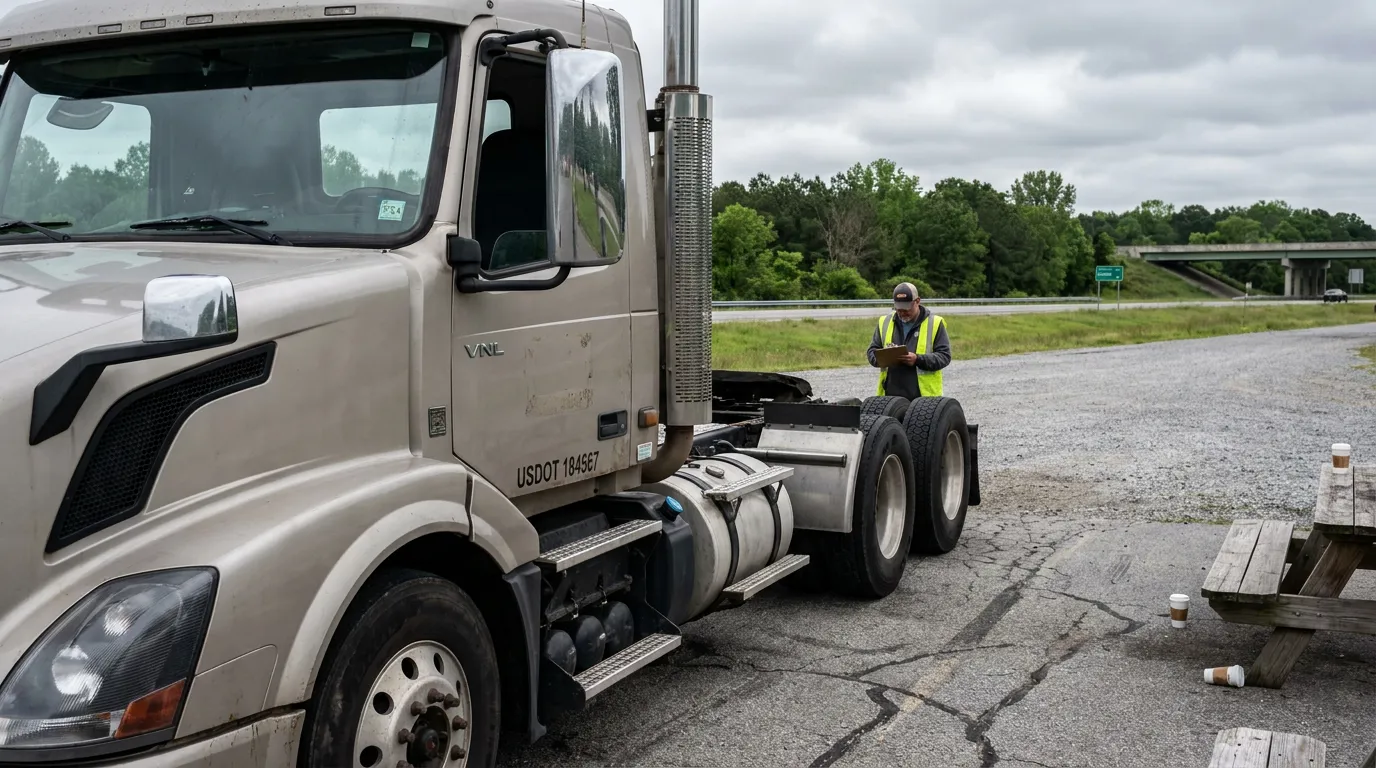
💡 Pro Tip: If you or a loved one suffered severe injuries in a truck crash, photograph the scene, the truck, and any visible markings (including the carrier’s USDOT number) before vehicles are towed. These early images can anchor later investigation.
Six Costly Errors That Erase Truck Crash Evidence
Most truck accident evidence errors trace back to delay, inaction, or not knowing what to look for. Below are six recurring mistakes that frequently lead to truck evidence lost in Dayton cases. Understanding each one helps injured victims and their families protect critical information.
Mistake 1: Waiting Too Long to Send a Spoliation Letter
A spoliation letter is one of the most important early tools in a truck injury case. This formal notice puts defendants on notice of a potential claim and underscores their obligation to preserve evidence, giving you additional ammunition to seek court relief if evidence is destroyed, which in Ohio can include an adverse-inference jury instruction or, in some cases, a separate spoliation claim. Timing is critical. It is crucial to send this letter as soon as possible, because judges make an equitable call on whether to give the jury a spoliation instruction, so it is important to make the case against the destructor as strong as possible. Delay weakens that leverage.
Mistake 2: Letting the Truck Be Repaired or Scrapped
The truck itself is evidence, and once repaired or salvaged, certain data may be gone permanently. Modern commercial vehicles carry event data recorders that capture only seconds of information. The federal safety agency defines an EDR as a device installed in a motor vehicle to record technical vehicle and occupant information for a brief period (seconds, not minutes) before, during and after a crash. Those recorders can preserve pre-crash vehicle dynamics, driver inputs, vehicle crash signature, restraint deployment status, and post-crash data such as automatic collision notification activation. This data has real evidentiary weight, and federal investigators rely on it. You can review how these devices work on the agency’s page covering event data recorders. Because a federal working group looked into EDRs specifically for trucks, school buses, and motor coaches, their relevance to commercial crash investigations is well established.
Mistake 3: Ignoring the Six-Month ELD Retention Window
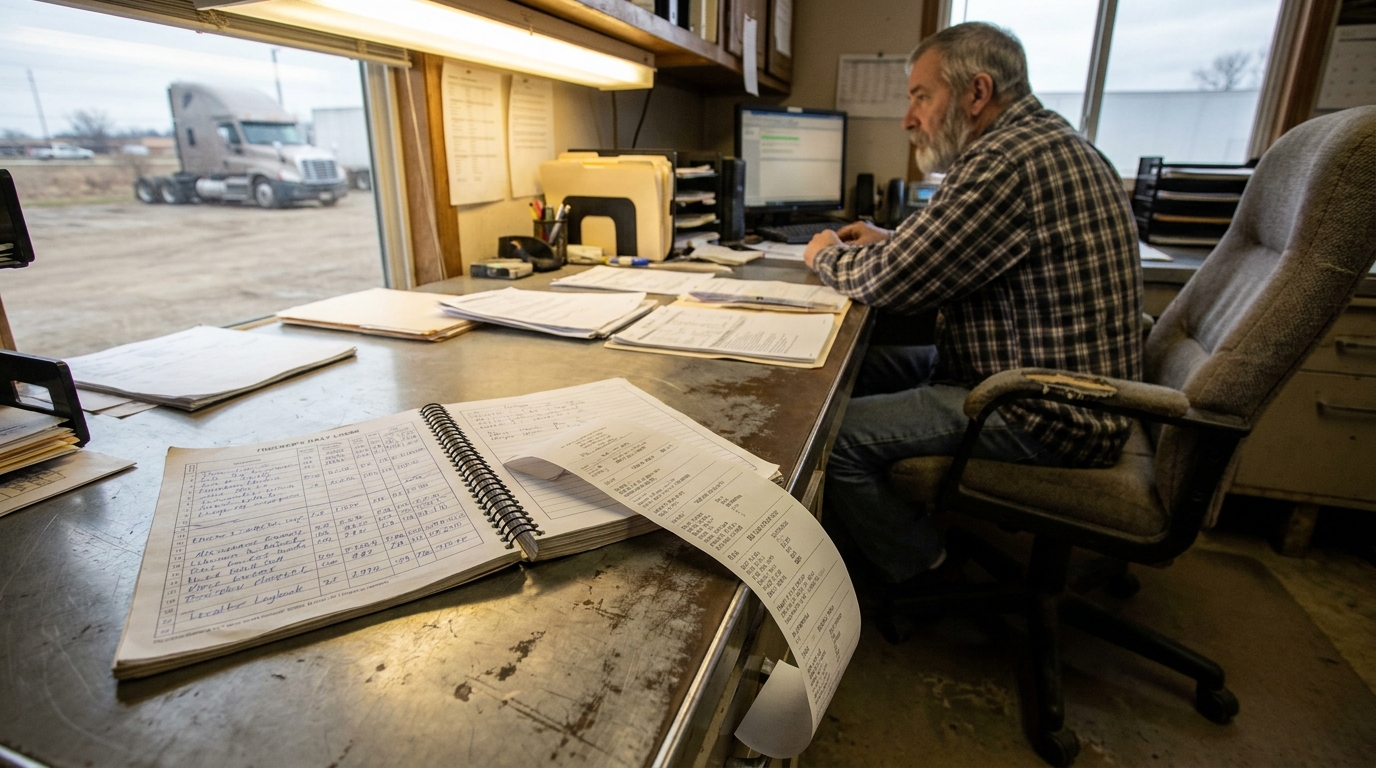
Electronic logging device records are among the first pieces of evidence to disappear. Under federal rules in 49 CFR Part 395, carriers must retain ELD records and supporting documents for only 6 months. That short window means hours-of-service data showing driver fatigue can be permanently lost if not requested promptly after a Montgomery County truck crash. ELD output is more detailed than many victims expect; geo-location information must be derived from a database of cities, towns, and villages with a population of 5,000 or greater, which can help place a truck near the crash location at a given time.
💡 Pro Tip: Device failures are a recognized problem. Federal guidance dedicates an entire category to ELD malfunctions and data diagnostic events, so gaps in data are worth investigating rather than accepting at face value.
Mistake 4: Overlooking Driver Qualification Files
Driver history can reveal negligent hiring, poor training, or a pattern of violations. These records survive longer than ELD data. Driver qualification files, including the application, motor vehicle record, medical certificate, and road test results, must be maintained during employment and for 3 years after the driver departs under 49 CFR Part 391. That window gives victims a meaningful opportunity to obtain driver history, but it is not unlimited, and waiting can still cost you access.
Mistake 5: Failing to Identify Every Type of Evidence
Many truck claim mistakes in Ohio happen because victims request too little, too late. A thorough preservation demand should reach well beyond the police report. Sample preservation correspondence requests items including cell phones and cell phone data, written materials such as witness statements, log books, service time records, dispatch records, maintenance records, accident reporting records, driver hiring and employment records, ECM, PCM or GPS data, and any video or audio recordings. Common categories worth preserving include:
- The truck and its onboard ECM, PCM, and GPS data
- Driver logs, dispatch records, and hours-of-service documents
- Maintenance and repair histories
- Cell phone records that may show distraction
- Any in-cab or dash camera video or audio
Mistake 6: Missing the Filing Deadline
Evidence preservation means little if the underlying claim is time-barred. In Ohio, an action for bodily injury shall be brought within two years after the cause of action accrues under Section 2305.10(A). Generally, a cause of action accrues when the injury occurs, meaning the clock often starts on the crash date. You can read the full text in the Ohio Revised Code Section 2305.10. Courts interpret exceptions narrowly, and tolling or delayed-discovery arguments may apply only in limited circumstances, so no victim should assume an extension is automatic.
How to Preserve Truck Records Before They Are Destroyed in Dayton
The most reliable answer to how to preserve truck records before they are destroyed is to combine prompt legal notice with clear understanding of retention deadlines. Different records survive for different periods, and aligning your strategy with those timelines reduces evidence preservation mistakes. The table below summarizes common retention windows that frequently affect Dayton truck crash cases.
| Evidence Type | General Retention or Survival Window |
|---|---|
| ELD records and HOS supporting documents | Approximately 6 months |
| Driver qualification files | Employment plus 3 years |
| EDR crash data | Seconds of data, lost if vehicle is altered |
| Ohio injury filing deadline | Generally 2 years from the date of injury |
Sending a spoliation letter early, confirming the carrier and its insurer have received it, and identifying the correct registered logging device are practical steps that support a stronger claim. For a deeper walkthrough of these timelines, our guide on how to preserve truck records Ohio victims should review can help you understand what to ask for and when.
💡 Pro Tip: Knowing how to preserve truck records before they are destroyed is far easier when an attorney issues notices within the first days after a crash, while ELD and EDR data still exists.
What Strong Evidence Means for Your Recovery
Preserved records help establish negligence, causation, and the full scope of your damages. Hours-of-service data may show a fatigued driver, maintenance records may reveal ignored repairs, and EDR data may confirm speed or braking inputs at impact. Outcomes depend on the specific facts of each case, and no result can be guaranteed, but missing evidence almost always makes it harder to prove what happened. If you are weighing whether to pursue a claim, speaking with a knowledgeable truck accident lawyer Dayton families trust can clarify your next steps.
Frequently Asked Questions
1. How quickly should I act to avoid truck evidence lost in Dayton cases?
As soon as possible. Because ELD data may be retained for only six months and EDR data can be overwritten quickly, prompt action gives you the best chance of securing critical records before they disappear.
2. What is a spoliation letter and why does it matter?
It is a formal notice directing a party to preserve relevant evidence. It underscores the defendant’s duty not to destroy materials and can support a request for court relief, such as an adverse-inference instruction, if evidence is later lost.
3. How long do I have to file a truck injury claim in Ohio?
Generally two years from the date the injury occurs, under Section 2305.10(A). Exceptions are interpreted narrowly, so you should not assume the deadline will be extended.
4. What records survive longest after a crash?
Driver qualification files generally last longest, surviving employment plus three years, while ELD records and EDR data can disappear in months or seconds.
5. Do I need a lawyer to preserve trucking company evidence?
Not legally required, but often practical. Many Ohio truck accident claim errors stem from victims not knowing what to request or how to issue timely preservation demands.
Protecting Your Claim Starts With Prompt Action
The difference between a strong truck injury case and a struggling one often comes down to how fast critical evidence is preserved. Avoiding these six lost truck evidence mistakes in Dayton, from delayed spoliation letters to missed filing deadlines, can protect both your evidence and your right to pursue full compensation after severe injury or wrongful death. The law contains exceptions and fact-specific nuances, so personalized guidance matters.
If you are ready to protect your evidence and claim, the attorneys at The Attkisson Law Firm are prepared to help injured Dayton residents and their families move quickly. Call 937-400-0000 today or schedule a consultation online to discuss how we can help preserve what matters most to your case.