
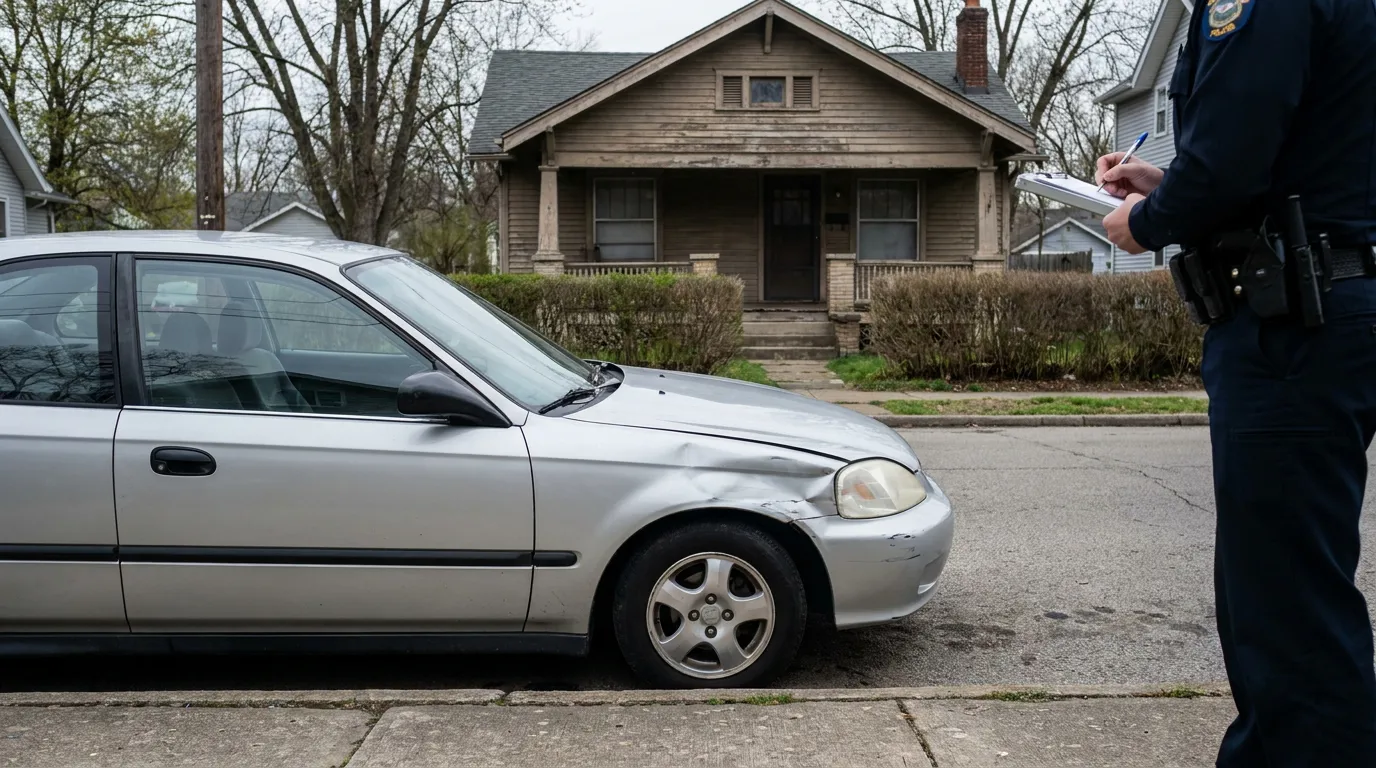
Understanding Negligence After a Dayton Crash
Key Takeaways: Proving negligence in a Dayton car accident injury case requires establishing four elements: duty, breach, causation, and damages. Duty is the legal obligation to drive with reasonable care, a breach occurs when that obligation is violated, causation links the breach to your injuries, and damages reflect your losses. Strong evidence, police reports, photographs, eyewitness statements, and medical records, often separates a well-supported claim from a contested one. Ohio’s modified comparative negligence rule allows recovery if your fault was not greater than the combined fault of all parties, though your award is reduced proportionally and barred when your fault exceeds 50 percent. A bodily injury lawsuit must be filed within two years, and recoverable damages include economic losses like medical bills and lost wages, and noneconomic losses like pain and suffering. Careful preparation, early evidence preservation, and timely action are essential to seeking fair compensation.
Proving negligence in a Dayton car accident injury case requires establishing four elements: duty, breach, causation, and damages. When another driver fails to act with reasonable care and that failure causes serious injury, Ohio law allows the injured person to pursue compensation through a civil tort claim. The strength of your case depends on how thoroughly you document each element and connect the at-fault driver’s conduct to your harm.
If you or a loved one suffered a severe injury in a collision, the team at The Attkisson Law Firm is ready to review your situation. Call us at 937-400-0000 or reach out through our secure contact page to discuss how Ohio negligence law may apply.

The Four Elements You Must Establish
Every negligence car crash Ohio claim is built on four legal elements, and missing one can undermine your recovery. Ohio defines a tort action as a civil action for damages for injury, death, or loss to person or property, and car accident claims fall within that framework. Understanding these elements shows why preserving evidence early matters.
Duty and Breach
Duty refers to the legal obligation every motorist owes to drive with reasonable care toward others on the road. This duty of care car accident principle requires drivers to obey traffic laws, stay attentive, and avoid creating unreasonable risks. A breach occurs when a driver violates that obligation through distracted driving, speeding, driving under the influence, or failing to yield. A traffic citation or police observation can help illustrate a breach, though it is not automatically conclusive.
Causation and Damages
Causation links the driver’s breach directly to your injuries, and damages reflect your actual losses. Ohio law requires that the tortious conduct be a direct and proximate cause of the injury before liability attaches. Damages include economic and noneconomic loss, both explored further below. Without clear causal connection, even a clear breach may not support full recovery.
💡 Pro Tip: Request a copy of the official crash report and photograph the scene, vehicle positions, and visible injuries when safe to do so. Early documentation can be difficult to recreate later.
Evidence That Helps Establish Fault in a Dayton Collision
Strong evidence is what separates a well-supported Dayton injury claim from a contested one. Because insurers frequently dispute who caused a crash, building a documented record is critical to establishing fault Dayton victims need to recover compensation. The goal is to demonstrate, through credible proof, that the other party breached the duty of care and caused your harm.
Helpful categories of evidence include:
- Police crash reports and responding officer observations
- Photographs and video, including traffic or surveillance footage
- Eyewitness statements and contact information
- Medical records connecting your injuries to the collision
- Vehicle damage analysis and accident reconstruction when appropriate
Medical documentation deserves special attention because it ties your injuries to the crash and reflects the severity of your losses. Prompt treatment creates a contemporaneous record, persuasive when an insurer argues that an injury was pre-existing or unrelated. To better understand how investigators and courts weigh these factors, review our overview of how fault is assessed after a wreck.
💡 Pro Tip: Keep a personal injury journal noting pain levels, missed workdays, and limitations on daily activities. This record can support claims for both economic and noneconomic losses.
How Ohio’s Comparative Negligence Rule Affects Your Recovery
Ohio follows a modified comparative negligence rule that can reduce or bar your recovery depending on your share of fault. Under this framework, your contributory fault does not bar recovery as long as your fault was not greater than the combined tortious conduct of all persons from whom you seek recovery and all persons from whom you do not seek recovery. If your fault is 50 percent or less, you may still recover, though your award is reduced.
When a plaintiff bears some responsibility, the court diminishes compensatory damages in proportion to that percentage of fault. Ohio Revised Code Section 2315.33 states that recoverable compensatory damages are reduced by an amount proportionate to the plaintiff’s percentage of tortious conduct. Ohio law defines contributory fault under R.C. § 2307.011(B) to include contributory negligence, other contributory tortious conduct, and assumption of the risk. Under R.C. § 2315.32(B), contributory fault may be asserted as an affirmative defense to a tort claim, except against an intentional tort claim.
| Plaintiff’s Fault | General Effect on Recovery |
|---|---|
| 0% | Full compensatory damages may be recoverable |
| 1% to 50% | Damages reduced proportionally to fault |
| 51% or greater | Recovery generally barred |
Because insurers often try to shift blame onto injured victims, understanding apportionment rules is essential to protecting your claim. Under R.C. § 2315.36, when contributory fault is established and the plaintiff is entitled to recover, the court enters judgment apportioning liability consistent with the apportionment statutes. Outcomes are highly fact-dependent, and fault percentages significantly affect the final award.
💡 Pro Tip: Avoid giving a recorded statement to the other driver’s insurer before consulting counsel. Casual comments can be used to argue you share a larger portion of fault.
Deadlines and Damages Under Ohio Law
Ohio law requires that a car accident bodily injury lawsuit be filed within two years after the cause of action accrues. This deadline appears in Ohio Revised Code Section 2305.10, which provides that an action for bodily injury shall be brought within two years. Courts interpret exceptions narrowly, and tolling or discovery principles may apply only in limited circumstances.
It is important to distinguish the civil statute of limitations from any separate administrative claim deadlines. When a government entity is potentially involved, such as in cases involving poor road maintenance, different notice requirements and timelines may govern. Because these distinctions can be subtle, confirming the applicable deadline early is advisable.
Economic and Noneconomic Losses
Ohio categorizes recoverable damages into economic loss and noneconomic loss, and both may be available in serious injury cases. Economic loss under R.C. § 2307.011(C) includes lost wages and salaries, medical care expenditures, and other expenditures incurred as a result of injury, death, or loss. Noneconomic loss under R.C. § 2307.011(E) includes pain and suffering, loss of consortium, mental anguish, and other intangible harms. In all tort actions, the court is directed under R.C. § 2315.01(B) to instruct the jury on whether an award is subject to taxation under federal or state income tax laws.
To learn more about how our team approaches these claims, visit our dedicated page for those injured in an auto accident attorney Dayton consultation.
Why a Car Accident Lawyer Dayton Ohio Residents Trust Can Help
A car accident lawyer Dayton Ohio victims rely on can help organize evidence, calculate damages, and counter insurer tactics designed to minimize payouts. Insurance companies often present early settlement offers that may not reflect the full extent of future medical needs or long-term losses. Working with a car wreck lawyer Dayton Ohio families turn to helps ensure that severe injuries are documented and presented thoroughly.
An attorney can also help navigate the procedural rules that govern proving fault and apportioning liability. From identifying all potentially responsible parties to addressing comparative negligence defenses, legal guidance is valuable when the stakes are high. Outcomes depend on the specific facts of each case, but careful preparation generally strengthens a claim.
💡 Pro Tip: Gather your medical bills, wage records, and crash documentation in one place before your consultation. Organized records help an attorney assess your Dayton car collision claim more efficiently.
Frequently Asked Questions
-
How long do I have to file a car accident injury claim in Ohio?
In general, Ohio law provides two years from the date the cause of action accrues to file a bodily injury claim. Certain limited exceptions may apply, but courts interpret them narrowly, so confirming your deadline early is wise.
-
What if I was partially at fault for the crash?
You may still recover if your fault was not greater than the combined fault of the other parties. Under Ohio’s modified comparative negligence rule, your damages are reduced in proportion to your percentage of fault.
-
What types of damages can I pursue?
You may pursue economic losses, such as medical expenses and lost wages, and noneconomic losses, such as pain and suffering. The availability and amount of damages depend on the facts and severity of your injuries.
-
Do I need a police report to prove negligence?
A police report can be helpful, but it is not the only way to prove negligence. Photographs, witness statements, medical records, and reconstruction analysis can all support your claim.
-
Should I accept the insurance company’s first offer?
It is generally prudent to understand the full value of your claim before accepting any offer. Early offers may not account for future medical care or long-term impacts of a severe injury.
Securing Full and Fair Compensation After a Serious Crash
Proving negligence in a Dayton car accident case comes down to establishing duty, breach, causation, and damages while meeting Ohio’s two-year filing deadline. By preserving evidence, documenting injuries, and understanding how comparative negligence and apportionment rules apply, injured victims can position themselves to seek fair compensation. Because every claim turns on its own facts, thoughtful preparation and timely action remain essential.
If you are ready to take the next step, The Attkisson Law Firm is here to listen and explain your options. Call 937-400-0000 or send us a message through our online contact form to discuss your Dayton injury claim today.