
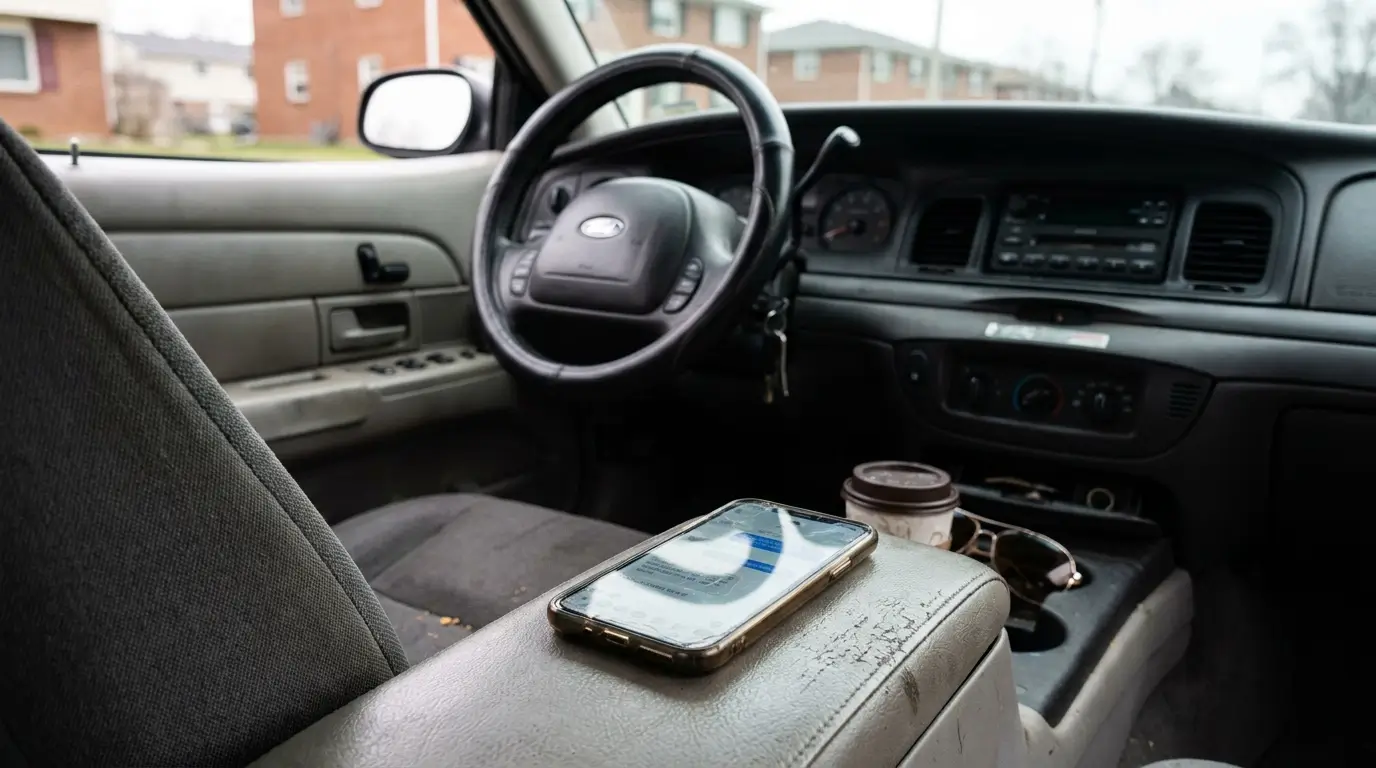
Why Distracted Driving Crashes in Dayton Deserve Serious Legal Attention
Every year, distracted drivers cause devastating collisions on Dayton-area roads, leaving victims with severe injuries, mounting medical bills, and difficult questions about what comes next. If you were hurt because another driver was texting, scrolling, or otherwise not paying attention, Ohio law may provide a path to compensation. A car accident attorney in Dayton can evaluate your crash, identify liable parties, and help you pursue a claim grounded in Ohio’s negligence and traffic safety statutes.
If you or a loved one suffered serious injuries in a distracted driving collision, The Attkisson Law Firm is ready to listen. Call 937-400-0000 or reach out online to discuss your situation today.

What Ohio Law Says About Distracted Driving
Ohio has taken a firm stance against device use behind the wheel. Under Ohio Revised Code § 4511.204, no person may operate a motor vehicle while using, holding, or physically supporting an electronic wireless communications device. This is a primary offense, so law enforcement can pull a driver over solely for holding or using a phone.
Drivers over 18 have limited options for phone use. They may make or receive calls through hands-free methods such as speakerphone, earpiece, wireless headset, electronic watch, or vehicle-connected systems. The statute provides narrow exceptions, such as contacting emergency services or using a device while stationary and outside a lane of travel. Any use beyond these permitted methods can result in a traffic citation and serve as evidence of negligence in a civil claim.
💡 Pro Tip: Request a copy of the police report as soon as possible. Officers often note whether the at-fault driver was cited for a cell phone violation under Ohio Revised Code § 4511.204, and that citation can strengthen your injury claim.
How Distracted Driving Causes Severe Injuries
Distracted driving involves more than just texting. It encompasses visual (looking away from the road), manual (removing a hand from the steering wheel), and cognitive (mind wandering from driving) distractions. Texting combines all three types, but eating, adjusting a GPS, or talking to passengers can also impair attention.
Recognizing a distracted driver matters for your claim. Common signs include weaving across lanes, sudden braking without reason, inconsistent speeds, and delayed reactions at signals. Witnesses who observed erratic behavior provide valuable testimony. Learn more about how to spot a distracted driver.
Severe injuries often include traumatic brain injuries, spinal cord damage, broken bones, and internal organ damage. Recovery may take months or years, and some victims face permanent disability, underscoring why pursuing a claim is crucial.
💡 Pro Tip: Write down everything you remember about the at-fault driver’s behavior immediately after the crash. Details like whether the driver appeared to be looking down or holding a phone may fade from memory but prove critical later.
Proving Negligence After a Distracted Driving Crash in Dayton
A successful personal injury claim requires proving four elements: duty, breach, causation, and damages. Every driver on Ohio roads owes a duty of care to others. When a driver violates Ohio Revised Code § 4511.204 by using a handheld device, that violation serves as evidence of failing to use reasonable care. The traffic violation itself can be strong evidence of breach, though the jury ultimately determines whether it constituted negligence.
Phone records, witness statements, and crash reconstruction analysis can all help establish that the other driver was distracted at the moment of impact.
Understanding Comparative Fault in Ohio
Ohio follows a modified comparative fault rule under Ohio Revised Code § 2315.33. Your own contributory fault does not bar recovery, as long as your percentage of fault is not greater than the combined tortious conduct of all other persons from whom you seek recovery in this action AND of all other persons from whom you do not seek recovery in this action (including non-parties). However, your compensation will be reduced by your share of responsibility. If your fault exceeds 50% (i.e., you are 51 percent or more at fault), you are barred from recovering any damages.
💡 Pro Tip: Insurance adjusters may try to shift blame onto you to reduce your claim value. Avoid giving recorded statements or accepting fault at the scene, and let your attorney handle communications with the insurer.
What Compensation May Be Available for a Car Accident Attorney in Dayton to Pursue
Victims may recover both economic and noneconomic damages. Ohio Revised Code § 2315.18 addresses compensatory damages in tort actions, including lost wages, salaries, or other compensation, as well as all medical care expenditures. For someone with severe injuries, these costs can be substantial and ongoing.
Noneconomic damages cover losses that are harder to quantify. These may include pain and suffering, emotional distress, and loss of enjoyment of life. Ohio Revised Code § 2315.18 establishes certain caps on noneconomic damages in most cases, but those caps do not apply when the plaintiff has suffered permanent and substantial physical deformity, loss of use of a limb, or loss of a bodily organ. Review Ohio’s compensatory damages statutes for additional detail.
| Type of Damages | Examples | Governing Law |
|---|---|---|
| Economic | Medical expenses, lost wages, rehabilitation costs, future earning capacity | Ohio Revised Code § 2315.18 |
| Noneconomic | Pain and suffering, emotional distress, loss of enjoyment of life | Ohio Revised Code § 2315.18 (caps may apply, with exceptions for catastrophic injuries) |
💡 Pro Tip: Keep detailed records of every medical appointment, prescription, therapy session, and missed workday related to your injuries. This documentation forms the backbone of your economic damages calculation.
Ohio’s Filing Deadline: The Two-Year Statute of Limitations
Time is not on your side after a distracted driving crash. Under Ohio Revised Code § 2305.10(A), an action for bodily injury must be brought within two years after the cause of action accrues, generally on the date of the crash.
Missing this deadline can have devastating consequences. If you fail to file within the two-year window, the court will generally dismiss your case regardless of your evidence. While narrow exceptions exist in limited circumstances, courts interpret them strictly.
- Two-year deadline applies to personal injury claims from distracted driving crashes
- The clock starts on the date the crash and injury occur
- Exceptions are rare and courts apply them narrowly
- Early action preserves evidence and strengthens your claim
If you have been seriously injured in a distracted driving crash in Dayton, acting promptly protects both your legal rights and available evidence.
How a Dayton Car Crash Lawyer Builds Your Case
An experienced auto accident attorney in Dayton, Ohio brings structure and strategy to an overwhelming process. From investigation through settlement negotiations or trial, your attorney works to gather evidence, calculate damages, and counter insurance company tactics to minimize payouts.
Gathering and Preserving Evidence
Your attorney may subpoena the at-fault driver’s phone records, obtain surveillance footage, interview witnesses, and work with accident reconstruction professionals. Because evidence can disappear quickly, especially electronic data and witness memories, early legal involvement often makes a meaningful difference.
Negotiating With Insurance Companies
Insurance carriers are not on your side. Their goal is to resolve claims for as little as possible. A car accident attorney in Dayton understands these tactics and can push back against lowball settlement offers that fail to account for future medical needs, lost earning capacity, and noneconomic harm.
💡 Pro Tip: Never accept a settlement offer before reaching maximum medical improvement. Settling too early may leave you responsible for future treatment costs the initial offer did not cover.
Frequently Asked Questions
1. Can I file a claim if I was partially at fault for the distracted driving crash?
Yes, in many cases. Under Ohio’s modified comparative fault rule in Ohio Revised Code § 2315.33, you may recover damages even if you share some fault, as long as your percentage of responsibility is not greater than the combined tortious conduct of all other persons from whom you seek recovery in this action AND of all other persons from whom you do not seek recovery in this action (including non-parties). Your award would be reduced by your percentage of fault, and if your fault exceeds 50% (i.e., you are 51 percent or more at fault), you cannot recover.
2. What evidence helps prove the other driver was distracted?
Several types of evidence can support your claim. Cell phone records showing usage at the crash time, witness testimony describing erratic driving, police reports noting a citation under Ohio Revised Code § 4511.204, dashcam footage, and vehicle event data recorder information may all be relevant.
3. How long do I have to file a distracted driving injury lawsuit in Dayton?
Ohio Revised Code § 2305.10(A) sets a two-year statute of limitations for personal injury claims. The deadline generally runs from the crash date. While limited exceptions may apply in rare circumstances, courts interpret them narrowly, so act well before the deadline.
4. What types of compensation can I seek after a texting while driving accident in Ohio?
You may be entitled to both economic and noneconomic damages. Economic damages under Ohio Revised Code § 2315.18 include medical expenses, lost wages, and other financial losses. Noneconomic damages may cover pain and suffering, emotional distress, and diminished quality of life, subject to statutory caps that do not apply in cases involving catastrophic injuries.
5. Should I talk to the other driver’s insurance company before hiring an attorney?
It is generally advisable to consult an attorney first. Anything you say to the opposing insurer can be used to reduce or deny your claim. A car accident help Dayton attorney can handle these communications and protect your interests throughout the process.
Take Action to Protect Your Rights After a Dayton Distracted Driving Crash
Distracted driving crashes cause life-altering injuries, and Ohio law provides real avenues for victims to seek fair compensation. From establishing negligence through Ohio’s distracted driving statutes to navigating comparative fault rules and meeting the two-year filing deadline, every step requires careful attention. The sooner you begin building your case, the stronger your position may be.
The Attkisson Law Firm is here to help injured victims in Dayton and surrounding communities fight for the compensation they deserve. Call 937-400-0000 or contact us today to schedule a conversation about your distracted driving injury claim.