
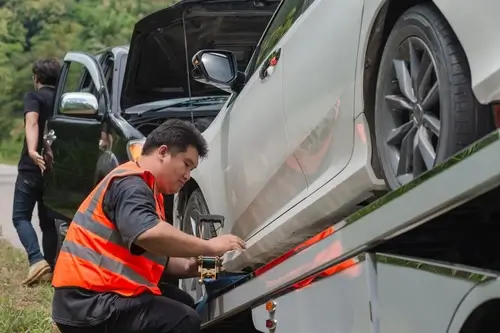
Identifying All Liable Parties After a Truck Crash in Dayton
When a commercial truck causes a serious collision in Dayton, Ohio, the responsible parties may extend far beyond the driver behind the wheel. Trucking companies, vehicle manufacturers, maintenance providers, cargo loaders, and other third parties can all share fault for a devastating crash. Ohio law requires the trier of fact to assign fault percentages to every party involved, including nonparties, under Ohio Revised Code § 2307.23. Identifying each potentially liable party early in the process directly affects how much compensation an injured person may recover. A thorough truck accident investigation in Dayton often reveals multiple layers of negligence that a surface-level review would miss.
If you or a loved one suffered severe injuries in a semi truck crash in Dayton, The Attkisson Law Firm may be able to help you pursue full compensation. Call 937-400-0000 or reach out online to discuss your case.

Why Multiple Liable Parties Matter in a Truck Accident Claim Dayton
Ohio’s fault-allocation system makes it essential to identify every party who contributed to a truck crash. Under Ohio’s comparative fault statute, ORC § 2315.33, the court reduces a plaintiff’s compensatory damages proportionally by the plaintiff’s own percentage of fault, and a plaintiff whose fault is greater than the combined fault of all other persons is barred from recovery. If a defendant bears more than 50% of the fault, that defendant may be held jointly and severally liable for all economic damages under ORC § 2307.22(A)(1). Defendants at 50% or less are liable only for their proportionate share. Failing to identify a responsible party could shift a larger fault percentage onto the injured person or onto a defendant with fewer resources.
Noneconomic damages, such as pain and suffering and mental anguish, follow a different rule. Under ORC § 2307.22(C), each defendant pays only their proportionate share of noneconomic losses. Identifying all at-fault parties helps distribute these damages accurately and may increase the total amount recoverable.
💡 Pro Tip: Keep a detailed record of every company name, vehicle number, and contact you encounter after a truck crash. This information can help your legal team trace liability to parties you might not initially consider, such as a freight broker or a third-party maintenance shop.
How Vicarious Liability Connects a Truck Accident Attorney in Dayton to Trucking Company Claims
Ohio’s respondeat superior doctrine allows injured parties to hold employers accountable for the negligent acts of their employees. Under ORC § 2307.241, a person injured by a truck driver acting within the scope of employment may sue the driver, the trucking company, or both. This is critical because individual drivers may carry limited personal assets, while trucking companies often have substantial insurance coverage. You can learn more about trucking company liability in Dayton and how this doctrine works in practice.
ORC § 2307.24(B) preserves common-law vicarious liability rules. Under this provision, a principal and agent or master and servant constitute a single party for purposes of determining fault percentages. This means trucking companies generally cannot escape responsibility simply because the driver was the one who caused the collision.
Parties Beyond the Driver and Trucking Company
A serious truck crash may involve several additional parties whose negligence contributed to the collision. These can include:
- Vehicle or parts manufacturers, when a defective component such as brakes, tires, or steering caused or worsened the crash
- Third-party maintenance companies responsible for inspecting and repairing the truck
- Cargo loading companies, if improperly loaded or secured freight shifted and caused a loss of control
- Government entities responsible for road design or maintenance, subject to separate notice requirements and sovereign immunity limitations under ORC Chapter 2744
💡 Pro Tip: Product liability claims involving a defective truck component are governed by the same two-year statute of limitations under ORC § 2305.10(A) as personal injury claims. Do not assume you have extra time to investigate a potential defect.
Federal Insurance Requirements and What They Mean for Your Recovery
Federal law mandates that for-hire motor carriers maintain minimum levels of insurance, which can significantly affect the compensation available to crash victims. For carriers transporting nonhazardous property in vehicles with a gross vehicle weight rating of 10,001 pounds or more, the minimum public liability coverage is $750,000. Carriers hauling hazardous materials must carry even higher minimums.
| Cargo Type | Minimum Insurance Required |
|---|---|
| Nonhazardous property (GVWR 10,001+ lbs) | $750,000 |
| Oil and hazardous waste | $1,000,000 |
| Most dangerous hazardous materials (Division 1.1, 1.2, 1.3, 2.1, 2.2, 2.3, 6.1, Class 7) | $5,000,000 |
These insurance minimums represent a floor, not a ceiling. Many carriers maintain policies well above the minimum. Understanding which policies apply and which entities are covered is a key part of building a strong truck accident claim in Dayton.
💡 Pro Tip: A trucking company’s insurance policy may cover the driver, the carrier, and even certain subcontractors. Requesting the full policy declarations page during litigation can reveal additional sources of coverage.
Ohio’s Statute of Limitations and Why Timing Is Critical
Ohio law imposes a strict deadline for filing truck crash injury claims. Under ORC § 2305.10(A), an action for bodily injury must be brought within two years after the cause of action accrues. This same two-year window applies to product liability claims. Missing this deadline can permanently bar recovery, regardless of how strong the case may be.
The two-year clock generally begins running on the date of the crash. Ohio courts interpret exceptions to this deadline strictly. Acting quickly also preserves critical evidence, including electronic logging device data, maintenance records, and driver qualification files that trucking companies may not retain indefinitely.
💡 Pro Tip: Contact an attorney as soon as possible after a truck crash. A prompt demand to preserve evidence, sometimes called a spoliation letter, can prevent the trucking company from destroying or overwriting key records.
Understanding Damages in a Dayton Truck Injury Case
Ohio law allows crash victims to recover both economic and noneconomic damages. Under ORC § 2307.011(C), economic losses include lost wages, medical care expenses, and other expenditures resulting from the injury. These tangible, calculable costs can be substantial when injuries require long-term care or prevent a person from returning to work.
Noneconomic Damages and Fault Allocation
Noneconomic damages cover losses like pain and suffering, loss of consortium, and mental anguish. As noted above, ORC § 2307.22(C) limits each defendant’s liability for noneconomic damages to their proportionate share of fault. In multi-party truck accident cases, this reinforces the need to identify all responsible parties. Each additional liable defendant may absorb a share of fault that would otherwise reduce the plaintiff’s total recovery.
The Role of Negligence and Recklessness
Ohio law distinguishes between negligence and recklessness. Negligence involves a failure to exercise the degree of care that a reasonably prudent person would exercise under similar circumstances. Recklessness involves a conscious disregard of a known and substantial risk of harm. Evidence of reckless conduct by a truck driver or trucking company, such as knowingly violating hours-of-service rules or ignoring critical maintenance failures, may strengthen a claim significantly.
How a Truck Accident Attorney in Dayton Builds a Strong Case
A thorough investigation is the foundation of any successful truck crash claim. An experienced Dayton truck accident lawyer will typically gather police reports, obtain the truck’s electronic data recorder information, review the driver’s logbooks and qualification file, and inspect maintenance records. Each of these sources can point to additional liable parties or reveal patterns of trucking company negligence in Ohio.
Ohio’s contributory fault rules add another layer of strategy. Under ORC § 2315.33, a plaintiff’s own fault does not bar recovery as long as that fault is not greater than the combined fault of all other persons. The defense will often try to shift blame onto the injured person. Building a comprehensive record of all liable parties helps counteract this strategy and protects the plaintiff’s right to fair compensation.
💡 Pro Tip: Even if you believe the truck driver was solely at fault, do not assume that no other parties share responsibility. An attorney familiar with Ohio truck crash legal help can uncover hidden contributors to the collision.
Frequently Asked Questions
1. How long do I have to file a truck accident claim in Ohio?
What is the filing deadline?
Under ORC § 2305.10(A), you generally have two years from the date of the crash to file a bodily injury claim. The same deadline applies to product liability claims. Courts interpret exceptions narrowly, so act promptly.
2. Can I sue the trucking company even if only the driver was negligent?
Does employer liability apply?
Yes. Under ORC § 2307.241, Ohio’s vicarious liability statute allows you to sue the employer when the driver was acting within the scope of employment. The trucking company may be vicariously liable for the driver’s negligence.
3. What happens if I am partially at fault for the truck crash?
How does comparative fault work?
Under ORC § 2315.33, your damages are reduced by your percentage of fault, but you are not barred from recovery unless your fault is greater than the combined fault of all other parties. Identifying all liable defendants helps minimize the percentage attributed to you.
4. Why does it matter how many defendants are named in a truck crash lawsuit?
How does fault allocation affect my recovery?
Ohio law requires the trier of fact to assign fault to all parties, including nonparties, under ORC § 2307.23. Naming all liable parties helps ensure that fault is distributed accurately and that defendants with greater resources and insurance coverage bear their fair share.
5. What types of damages can I recover after a severe truck crash in Dayton?
What compensation is available?
Ohio law permits recovery of economic damages such as lost wages and medical expenses under ORC § 2307.011(C), as well as noneconomic damages like pain and suffering. Each defendant pays only their proportionate share of noneconomic damages under ORC § 2307.22(C).
Protecting Your Rights After a Dayton Truck Crash
Severe truck crash injuries can reshape every aspect of your life, from mounting medical bills to the inability to work. Ohio law provides a framework to hold all responsible parties accountable, but the process requires prompt action, thorough investigation, and a clear understanding of how fault allocation works. Every day that passes is a day that critical evidence may be lost and your filing deadline draws closer.
If you were seriously injured in a truck collision in the Dayton area, The Attkisson Law Firm is ready to help you pursue the compensation you deserve. Call 937-400-0000 or contact us today to schedule a consultation.